Why Brushed Concrete Is the Smart Choice for Outdoor Living Spaces
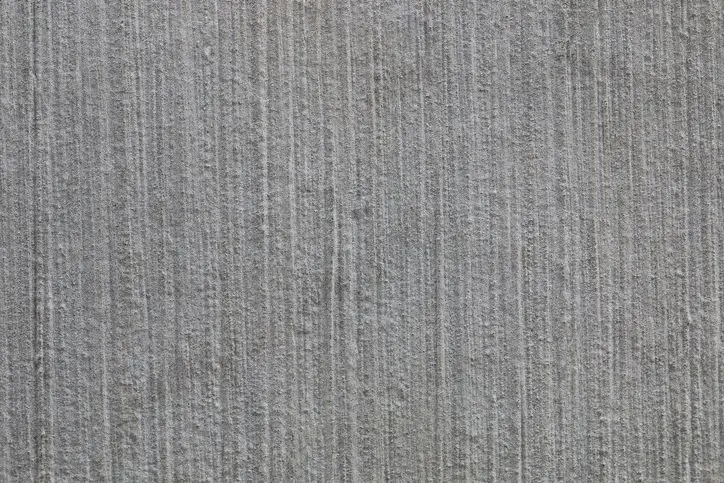
For homeowners looking to upgrade their driveways, patios, or walkways, brushed concrete offers the perfect blend of durability, safety, and understated elegance. This finish is created by dragging a stiff-bristled broom across freshly poured concrete, producing a lightly textured surface that stands up well to northern Illinois’ freeze-thaw cycles and heavy seasonal foot traffic. Unlike smooth finishes that can become slippery when wet or icy, brushed concrete adds traction—making it a practical, code-compliant option for areas prone to moisture and winter conditions.
What sets brushed concrete apart is its low-maintenance appeal and adaptability to local soil and climate challenges. In regions with expansive clay soils, like Carol Stream, properly finished concrete with adequate control joints and slope minimizes cracking and water pooling. The texture also helps conceal minor imperfections and wear over time, maintaining a clean, consistent appearance with minimal upkeep. When paired with a high-quality penetrating sealer, brushed concrete resists staining, salt damage, and surface spalling—extending the life of the installation.
Whether you’re renovating a sidewalk, expanding a driveway, or designing a backyard patio, choosing the right finish impacts both function and longevity. Brushed concrete delivers an attractive, functional surface that performs well year-round, aligning with both safety standards and long-term durability goals for outdoor concrete projects.
Why Safety Should Be Your Top Priority with Wet Concrete Surfaces
When it comes to outdoor concrete installations, one of the most critical performance factors—especially in regions with frequent rain or winter ice—is slip resistance. Brushed concrete delivers a key advantage in this area by offering enhanced traction under wet conditions, making it a smart choice for driveways, walkways, and pool decks in climates like Carol Stream’s. The texture created during the brushing process forms small grooves and ridges that disrupt water contact with footwear, significantly reducing the risk of slips and falls. This is particularly valuable during spring thaws or heavy downpours, when smooth surfaces can become dangerously slick.
Unlike polished or stamped finishes that may require added anti-slip coatings, brushed concrete achieves safety naturally through its surface profile. It's an ideal solution for sloped driveways or entryways where water tends to pool. Homeowners and property managers should consider this finish not only for usability but also for long-term liability reduction. Routine cleaning and resealing every few years maintain both appearance and grip. By choosing a textured finish like brushed concrete, you're investing in both safety and durability—two essentials for high-traffic exterior surfaces in northern Illinois.
Built to Last: Why Brushed Concrete Excels in High-Traffic, Harsh-Weather Areas
When durability is non-negotiable, brushed concrete stands out as a top-tier finish for outdoor surfaces exposed to heavy foot or vehicle traffic and the relentless cycle of northern Illinois weather. Unlike smoother finishes that can crack or degrade under stress, brushed concrete combines structural resilience with practical performance—making it a preferred choice for driveways, sidewalks, and commercial entryways in regions like Carol Stream.
The brushing process involves running a stiff broom across freshly poured concrete, creating a subtly textured surface that enhances traction and reduces slip risk during wet or icy conditions. More importantly, this finish works in harmony with high-strength, air-entrained concrete mixes to resist spalling, scaling, and surface erosion caused by freeze-thaw cycles. When paired with a compacted gravel base and proper control joints, brushed concrete maintains integrity over decades, not just years.
Key advantages include:
- Superior resistance to deicing salts commonly used in winter
- Reduced surface wear from studded tires, foot traffic, and lawn equipment
- Natural concealment of minor scuffs and weathering patterns
- Low maintenance requirements—routine cleaning and periodic sealing preserve appearance For lasting performance, ensure the slab is properly cured and sealed with a penetrating formula every 2–3 years to block moisture intrusion. This proactive care significantly extends lifespan, especially in clay-heavy soils that shift with seasonal moisture changes.
Effortless Upkeep: Why Brushed Concrete Is a Smart Choice for Busy Homeowners
For homeowners in Carol Stream and surrounding areas, maintaining outdoor surfaces shouldn’t mean constant scrubbing or seasonal repairs. That’s where brushed concrete shines—its low maintenance requirements make it a top choice for driveways, patios, and walkways exposed to northern Illinois weather. Unlike porous or uneven surfaces that trap debris and moisture, brushed concrete features a tight, broom-finished texture that resists dirt buildup and prevents slipping during icy conditions.
Cleaning brushed concrete is straightforward: a routine sweep removes leaves and dust, while a biannual rinse with a garden hose or low-pressure washer keeps the surface looking fresh. For minor stains—like those from oil drips or garden tools—a gentle scrub with mild detergent and water is usually enough. Avoid harsh chemical cleaners, especially on sealed surfaces, to preserve the finish and protective coating.
One of the biggest advantages? You won’t need to reseal brushed concrete as frequently as decorative alternatives. When paired with a quality penetrating sealer, brushed concrete maintains long-term protection against freeze-thaw cycles, deicing salts, and moisture absorption. This durability translates to fewer repairs and lower upkeep costs over time.
For area homeowners, this means more time enjoying outdoor spaces—and less time worrying about them.
A Subtle Sophistication: How Brushed Concrete Elevates Any Design
One of the most enduring appeals of brushed concrete lies in its ability to blend seamlessly across architectural styles—from modern minimalist homes in Carol Stream to traditional brick façades and contemporary urban lofts. Unlike glossy or highly polished finishes that can feel cold or industrial, brushed concrete offers a soft, matte texture with a gently abraded surface that diffuses light naturally, creating a warm and inviting aesthetic. This subtle finish strikes the perfect balance between raw strength and refined elegance, making it a top choice for both interior and exterior applications.
Homeowners and designers alike appreciate how brushed concrete complements a wide range of materials, including wood, stone, glass, and steel. Whether used for a driveway, patio, sidewalk, or indoor flooring, the finish adds depth without overwhelming the space. Its versatility extends to color options—integrally colored mixes or stains can be applied before or after brushing, allowing for customization that aligns with neighborhood styles or personal taste in northern Illinois communities.
Because the surface is lightly textured, it also improves slip resistance while minimizing visible wear—ideal for areas exposed to seasonal moisture or light foot traffic. When paired with properly spaced control joints and sealed with a penetrating sealer, brushed concrete maintains its appearance for years, requiring minimal upkeep. For those seeking a low-maintenance yet stylish solution that enhances curb appeal and integrates naturally with surrounding landscapes, brushed concrete delivers unmatched visual harmony.
Your Brushed Concrete Questions, Answered
Curious about brushed concrete and how it compares to other finishes? You're not alone. Homeowners often ask key questions about cost, longevity, and performance—especially when selecting a finish for driveways, patios, or walkways in climate-sensitive areas like northern Illinois.
What is brushed concrete, and how is it made?
Brushed concrete is created by dragging a stiff-bristled broom across freshly poured, partially set concrete. This technique leaves behind a subtle textured surface that enhances traction, making it ideal for outdoor areas prone to wet or icy conditions.
How does brushed concrete compare in cost to other finishes?
It’s one of the most budget-friendly decorative options. Unlike stamped or polished concrete, which require additional labor and materials, brushing is a simple, low-cost finishing method that adds value through durability and slip resistance.
How long does brushed concrete last?
With proper installation—including a strong base, control joints, and air-entrained mix—it can last 25–30 years or more, especially when sealed every 2–3 years to resist moisture and freeze-thaw damage.
Is brushed concrete more durable than smooth finishes?
Yes. The texture resists surface wear from foot and vehicle traffic, while also minimizing visible scratches and minor imperfections over time.
Can brushed concrete be colored or stained?
Absolutely. Integral color can be added to the mix, or acid/base stains can be applied post-cure for a custom look, all while maintaining the finish’s slip-resistant benefits.
Does brushed concrete require special maintenance?
Minimal upkeep is needed—regular sweeping, periodic washing, and resealing every few years keep it looking fresh and protected.
Why Brushed Concrete Pays Off for Years to Come
Choosing the right finish for your concrete project isn’t just about looks—it’s a long-term investment in durability, safety, and property value. Brushed concrete stands out as one of the most practical and cost-effective choices, especially in regions with challenging climates like northern Illinois. Its textured surface enhances slip resistance on driveways, patios, and walkways, making it ideal for areas exposed to rain, ice, and seasonal freeze-thaw cycles. Unlike smoother finishes that can become hazardous when wet, brushed concrete provides reliable traction while maintaining a clean, modern appearance.
This finish also requires minimal maintenance—no special sealants or frequent treatments beyond standard sealing every few years to protect against moisture and deicing salts. The brushing process helps conceal minor imperfections and wear over time, preserving curb appeal without constant upkeep. For homeowners, that means fewer repairs, less downtime, and consistent performance year after year.
If you're planning a new installation or resurfacing project, prioritize function as much as form. Evaluate your site’s drainage, choose climate-appropriate materials, and opt for finishes that stand up to local conditions. Consider consulting a local expert to assess soil type, grade, and exposure before committing to a design. Taking these steps ensures your concrete investment remains solid—literally and financially—for decades. Start with a plan, finish with confidence, and enjoy a surface that’s built to last.