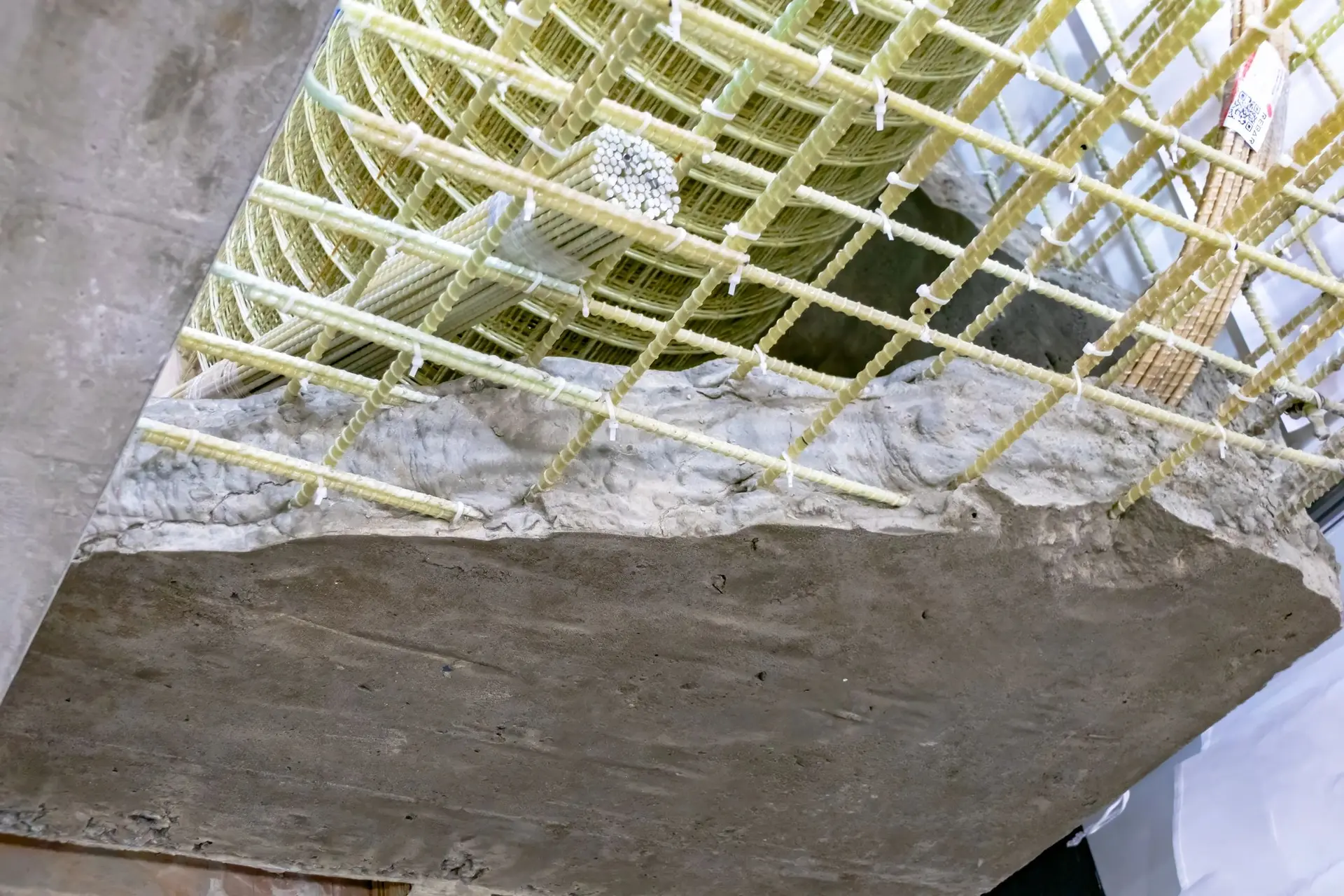
Reinventing Concrete Strength: The Role of Fiberglass Reinforcement
Concrete has long been a cornerstone of durable construction, but traditional steel-reinforced slabs come with vulnerabilities—especially in regions prone to moisture, freeze-thaw cycles, and chemical exposure. Enter fiberglass rebar and fibers: an advanced reinforcement solution transforming how modern projects approach structural integrity. Unlike steel, fiberglass reinforcement is non-corrosive, lightweight, and electrically non-conductive, making it ideal for a wide range of residential, commercial, and industrial applications—from basement walls and driveways in Naperville to retaining walls in Aurora and beyond.
By embedding fiberglass mesh or rebar within concrete, contractors address common failure points like cracking, spalling, and rust-induced deterioration. Fiberglass doesn’t just supplement strength—it enhances long-term performance by resisting the very elements that compromise conventional materials. This is particularly valuable in humid climates or chemically aggressive environments where moisture and chlorides accelerate degradation.
In this guide, you’ll discover how fiberglass reinforcement works, compare it to traditional methods, and learn best practices for integrating it into new pours and repair projects. You'll also gain insights into installation techniques, code compliance considerations, and real-world applications that maximize lifespan and reduce maintenance costs. Whether you're constructing a patio, foundation, or sidewalk, understanding fiberglass in concrete empowers smarter, more resilient builds. The future of concrete isn’t just strong—it’s smarter, lighter, and built to last.
The Science Behind Fiberglass Reinforcement in Concrete
Fiberglass-reinforced concrete has emerged as a go-to solution for durable, crack-resistant installations in both residential and commercial construction. Unlike traditional steel rebar, fiberglass (specifically glass fiber-reinforced polymer or GFRP) offers superior resistance to corrosion—a critical factor in environments exposed to moisture, deicing salts, or chemical agents. This makes it especially valuable for driveways, patios, and sidewalks in regions like Naperville and Aurora, where freeze-thaw cycles and seasonal snow treatment are common.
The strength comes from the bond between the alkali-resistant glass fibers and the cement matrix. These fibers distribute stress evenly throughout the slab, minimizing crack propagation and improving tensile strength. Because fiberglass doesn’t rust, it eliminates the risk of spalling caused by internal expansion—ensuring long-term structural integrity.
Additionally, fiberglass is lightweight and non-conductive, simplifying handling and installation while enhancing safety around electrical infrastructure. It’s also ideal for thin-set applications where traditional rebar is impractical.
For best results:
- Use alkali-resistant (AR) fiberglass mesh or prefabricated GFRP rebar
- Ensure full embedment within the concrete pour
- Combine with proper joint placement and curing techniques When installed correctly, fiberglass-reinforced concrete delivers lasting performance with minimal maintenance—making it a smart upgrade for any project demanding resilience and reliability.
Mastering the Mix: How to Install Fiberglass-Reinforced Concrete for Driveways & Patios
Building a durable, long-lasting driveway or patio starts with the right materials—and fiberglass-reinforced concrete is a smart upgrade over traditional mixes. This composite material enhances tensile strength, reduces cracking from freeze-thaw cycles, and improves impact resistance, making it ideal for outdoor slabs in regions with harsh weather, like the Midwest. Follow these clear, professional steps to mix and apply fiberglass-reinforced concrete properly.
- Calculate & Gather Materials
Determine the volume of concrete needed by measuring length, width, and depth of the form. For every 80-lb bag of concrete mix, add approximately 1.5 oz of fiberglass reinforcing fibers. Use a mechanical mixer for consistent blending—never mix by hand. - Pre-Wet the Forms & Subbase
Lightly mist the gravel base and forms with water to prevent premature moisture loss. Ensure proper slope (1/8” per foot) for drainage, especially critical for driveways in Naperville, Aurora, and similar suburbs prone to winter snowmelt. - Add Dry Ingredients Gradually
Pour concrete mix into the mixer, start it at low speed, then slowly introduce fiberglass fibers. Avoid dumping fibers all at once to prevent clumping. Mix for at least 3–5 minutes until fibers are evenly distributed. - Introduce Water Carefully
Add water slowly while mixing, aiming for a workable but stiff consistency—too much water weakens the final product. The ideal mix holds its shape without bleeding. - Place, Level & Consolidate
Pour concrete in sections, using a screed board to level across the forms. Tap sides with a hammer or use a vibrating screed to release air pockets and ensure fiber distribution. - Finish with Care
Use a float or magnesium hand tool for a smooth finish—avoid overworking, which can bring fibers to the surface. For slip resistance, broom the surface lightly after initial setting. - Cure Properly
Cover with plastic sheeting or use a curing compound to retain moisture for at least 7 days. Prevent rapid drying that leads to shrinkage cracks. When done correctly, fiberglass-reinforced concrete delivers superior durability for driveways and patios, resisting common issues like spalling and cracking in colder climates.
Fiberglass vs. Rebar & Wire Mesh: Which Reinforcement Fits Your Project?
When reinforcing concrete, choosing the right material can dramatically impact strength, longevity, and crack resistance—especially in environments prone to freeze-thaw cycles or heavy ground movement. Fiberglass, traditional rebar, and wire mesh each offer unique advantages depending on the application.
Fiberglass Reinforcement
Material Type: Alkali-resistant fiberglass strands coated for durability
Installation: Lightweight and easy to cut; ideal for slabs-on-grade like driveways, patios, and basement floors
Corrosion Resistance: Immune to rust—perfect for moisture-prone areas like basements or outdoor surfaces in Chicago and surrounding suburbs
Crack Control: Effectively reduces plastic shrinkage cracking during curing
Workability: Requires no special tools and simplifies finishing, reducing labor time Steel Rebar
Strength Focus: Provides high tensile strength for structural applications like footings, foundations, and elevated slabs
Durability: Prone to rust if not properly encased, which can lead to spalling over time
Weight & Handling: Heavy and requires skilled placement; best for load-bearing constructions Wire Mesh
Middle Ground: Offers more reinforcement than fiber but less than rebar
Positioning Challenge: Must be centered in the slab to be effective—a common installation pitfall
Rust Risk: Can corrode in damp conditions, especially in basements or outdoor walkways For thin residential slabs where crack prevention and ease of pour matter most, fiberglass is often the smarter, modern choice. For structural support in high-load zones, steel remains unmatched. Evaluate your project’s demands—whether it’s a backyard patio in Naperville or a foundation in Aurora—before deciding.
7 Ways Fiberglass Reinforces Residential and Commercial Concrete Projects
Incorporating fiberglass into concrete mixes has revolutionized how builders approach durability and crack resistance across various construction applications. Unlike traditional steel reinforcement, fiberglass is non-corrosive, lightweight, and easy to work with—making it ideal for a wide range of structural and decorative concrete work. Here’s a look at seven common applications where fiberglass adds value, strength, and longevity.
- Driveways and Walkways
Fiberglass-reinforced concrete enhances surface durability in residential driveways and sidewalks, especially in regions prone to freeze-thaw cycles like the Midwest. The fibers reduce plastic shrinkage cracks during curing, resulting in a more resilient surface that withstands heavy vehicle traffic and seasonal expansion. - Basement Floors and Slabs
In new foundation work, adding fiberglass to the slab mix improves tensile strength and minimizes cracking caused by settlement or moisture changes. This is particularly beneficial in humid areas such as Naperville and Aurora, where ground moisture can compromise weaker concrete over time. - Exterior Patios and Pool Decks
Outdoor living spaces benefit from fiberglass reinforcement due to increased exposure to weather and temperature swings. Fibers help prevent surface fissures and spalling, maintaining both structural integrity and aesthetic appeal in stamped or stained concrete installations. - Garage Floors
Garage slabs endure constant loading from vehicles and equipment. Fiberglass reduces micro-cracking from early-stage shrinkage, ensuring a smoother, longer-lasting finish—especially under epoxy or polished treatments. - Commercial Warehouse Slabs
In large-scale industrial floors, fiberglass provides secondary reinforcement that controls cracking without the risk of corrosion, a common issue with steel mesh in high-moisture environments. This translates to lower maintenance and improved safety. - Retaining Walls and Footings
Fiberglass improves cohesion in poured retaining walls and footings by minimizing cold joints and enhancing impact resistance. It works particularly well in segmental pours where continuity is critical. - Decorative Wall Panels and Countertops
Artistic concrete features gain structural support from fiberglass, allowing for thinner, more intricate designs without sacrificing strength—perfect for custom countertops or architectural panels in both homes and businesses.
Frequently Asked Questions About Fiberglass in Concrete: Durability, Cost, and Longevity
Is fiberglass-reinforced concrete as strong as steel-reinforced concrete?
Fiberglass reinforcement offers high tensile strength and excellent crack resistance, making it ideal for slabs-on-grade, driveways, and patios where heavy structural loads aren’t the primary concern. While not a replacement for rebar in foundational or load-bearing applications, fiberglass mesh or microfibers effectively control plastic shrinkage cracks during curing and improve long-term durability in residential and light commercial projects.
Does adding fiberglass increase the overall cost of a concrete project?
In most cases, incorporating fiberglass additives adds a modest premium to the total material cost—typically 10–15% more than standard concrete. However, this investment often pays off through reduced labor (no need for steel mesh installation), faster pour times, and lower long-term maintenance due to improved crack resistance, especially in regions with freeze-thaw cycles like the Midwest.
Are there installation challenges when working with fiberglass-enhanced concrete?
Proper mixing and distribution are key. Fibers must be evenly dispersed during batching to avoid clumping. Overworking the surface during finishing can bring fibers to the top, affecting the final appearance. Contractors in Naperville, Aurora, and similar climates recommend using a float or darby to embed fibers just below the surface while maintaining a smooth, professional finish.
How long does fiberglass last within a concrete slab?
High-quality alkali-resistant (AR) fiberglass can last 30+ years when fully encapsulated in concrete. Unlike steel, it won’t rust or corrode, making it ideal for damp environments or areas treated with deicing salts during harsh Illinois winters.
Can fiberglass-reinforced concrete be repaired if damaged?
Yes—damaged sections can be cut out and replaced with matching mix. Because fiberglass doesn’t conduct corrosion, surrounding areas remain unaffected, simplifying repairs compared to steel-reinforced slabs prone to spalling from rust expansion.
Will fiberglass improve the longevity of my driveway or patio?
Absolutely. By minimizing random cracking during the curing phase and resisting micro-crack propagation over time, fiberglass reinforcement extends the service life of exterior slabs, especially those exposed to seasonal temperature shifts and moisture fluctuations common in suburban Chicago.
Do I still need control joints with fiberglass in concrete?
Yes. While fiberglass helps control cracking, control joints are still necessary to manage stress from expansion and contraction. Properly spaced joints combined with fiber reinforcement offer the best defense against unsightly, uncontrolled cracks.
Why Fiberglass Reinforcement Is the Future of Modern Concrete Construction
Fiberglass rebar and mesh have emerged as a smart, long-term solution for concrete projects facing corrosion, maintenance, and durability challenges. Unlike traditional steel reinforcement, fiberglass (GFRP—glass fiber-reinforced polymer) resists rust, chemical degradation, and moisture damage, making it ideal for environments where concrete is exposed to deicing salts, coastal conditions, or fluctuating freeze-thaw cycles—common concerns in regions like the Midwest and near Great Lakes communities. This corrosion resistance directly translates to longer service life, reduced repair costs, and lower lifecycle expenses, especially for driveways, patios, and basement slabs in residential and light commercial applications.
Engineers and contractors increasingly choose fiberglass because it maintains structural integrity without conducting electricity or attracting magnetic fields—valuable for projects near sensitive equipment or utility lines. While not a replacement for steel in high-load structural scenarios, fiberglass performs exceptionally well in slab-on-grade applications, sidewalks, and decorative concrete where crack control and long-term appearance matter.
For best results, ensure proper installation techniques: maintain correct spacing, use plastic spacers for consistent cover depth, and avoid bending or kinking the rods during placement. Always verify that the mix design and curing practices support fiber performance. When matched with quality workmanship, fiberglass-reinforced concrete delivers reliable strength and lasting performance. Explore how this innovative material can improve your next project’s durability—consult a local concrete specialist to determine if fiberglass is the right fit for your build.