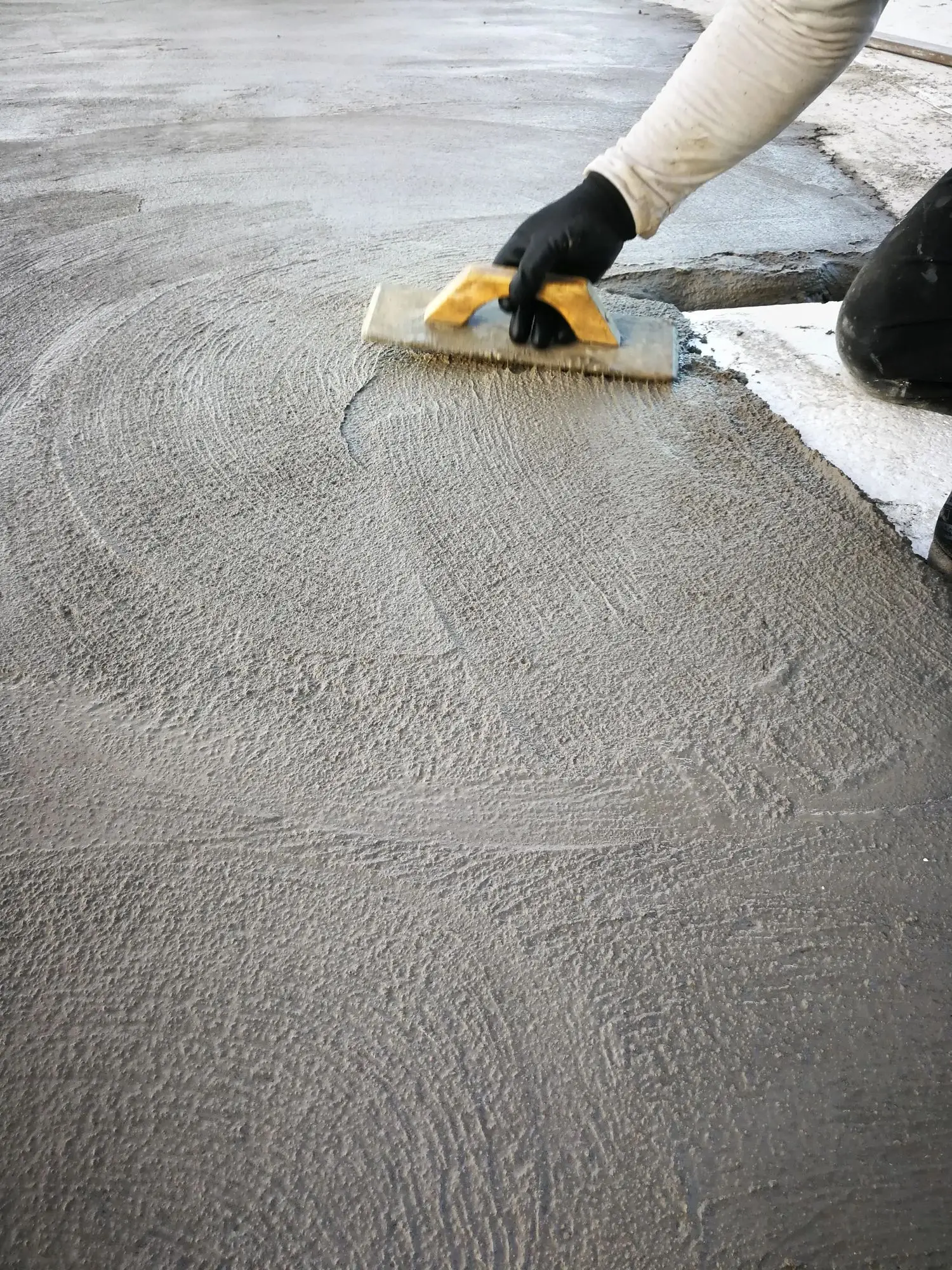
Built to Last: Why Glenview Properties Trust High-Performance Concrete Solutions
In Glenview, where seasonal shifts strain building materials and driveways bear the brunt of winter’s freeze-thaw grind, selecting the right concrete service isn’t just about pouring a slab—it’s about investing in long-term structural integrity. Homeowners and property managers face common challenges like cracking, uneven settling, and surface deterioration, often due to subpar materials or outdated installation methods. The difference between a temporary fix and a lasting solution lies in the combination of expert craftsmanship, advanced techniques, and a focus on reliability from start to finish.
Modern concrete services in Glenview go beyond the basics, offering precision in slab placement, proper subbase preparation, and strategic jointing to manage stress and prevent premature failure. Whether it’s a new driveway, a stamped patio, or a foundation repair, quality work begins with understanding soil conditions, drainage requirements, and reinforcement best practices. Contractors who prioritize durability use high-strength mixes, incorporate fiber or mesh reinforcement when appropriate, and follow strict curing protocols to maximize concrete’s performance lifespan.
Readers will learn how to identify signs of concrete distress early, evaluate service providers based on technical expertise—not just price—and make informed decisions about repairs versus replacements. This guide dives into industry standards, maintenance strategies, and local considerations unique to Glenview’s climate and infrastructure, helping property owners protect their investments with smarter, more resilient concrete solutions.
Building Strong Foundations: Common Concrete Applications for Homes & Properties
Concrete is one of the most versatile and durable materials used in residential construction, especially across suburban areas like Glenview where weather fluctuations and long-term reliability are key concerns. Homeowners frequently rely on poured concrete for functional and aesthetic upgrades that enhance both property value and everyday living. Among the most common applications are driveways, patios, and sidewalks—each serving a unique purpose while sharing the need for proper installation, reinforcement, and finishing techniques.
Driveways endure heavy loads from vehicles and constant exposure to rain, snow, and deicing salts. A well-installed concrete driveway should feature a compacted subbase, proper slope for drainage, and appropriate thickness—typically 4 to 6 inches—to prevent cracking and settling. Reinforcement options like fiberglass fibers or wire mesh help control shrinkage cracks during curing.
Patios provide outdoor living space and benefit from decorative finishes such as stamping, staining, or brooming for slip resistance. They require stable footings and control joints to manage stress from temperature changes, especially through Glenview’s seasonal shifts.
Sidewalks, often overlooked, play a crucial safety role. Proper jointing every 4 to 6 feet and a minimum 4-inch depth support longevity and prevent tripping hazards. All three applications demand skilled finishing and adequate curing to achieve maximum strength and durability.
By understanding these core uses, homeowners can make informed decisions about materials, reinforcement, and maintenance to ensure lasting performance.
Build It Right: A Step-by-Step Guide to Proper Concrete Installation for Lasting Results
Achieving durable, crack-resistant concrete starts long before the pour—it begins with precise preparation and execution. Whether you're installing a driveway, patio, or sidewalk in Glenview or surrounding areas, following industry-proven techniques ensures your slab stands up to freeze-thaw cycles, heavy loads, and time.
- Prepare the Subgrade Thoroughly
Remove all topsoil, vegetation, and debris to prevent settling. Compact the soil with a plate compactor in layers, ensuring a firm, level base. Add a 4–6 inch layer of crushed stone (like gravel) to enhance drainage and reduce moisture wicking into the slab. - Set Forms with Proper Slope & Alignment
Use straight, rigid boards (like 2x8 lumber) for edge forms. Secure them with stakes every 2–3 feet. Ensure a minimum 1/8-inch per foot slope away from structures to direct water runoff—a critical step for driveways and patios exposed to Glenview’s seasonal precipitation. - Install Reinforcement Correctly
Place wire mesh or fiberglass fibers according to project needs. If using mesh, elevate it in the middle third of the slab with plastic chairs—never let it rest on the subbase. For fiber reinforcement, mix uniformly into the concrete at manufacturer-recommended ratios to control plastic shrinkage cracks. - Pour & Spread Evenly
Begin at the farthest point and work backward to avoid walking on fresh concrete. Use a come-along or chute to place material directly into forms. Spread with a rake, avoiding excessive water addition, which weakens the mix and increases cracking risk. - Screed & Float for a Level Surface
Drag a straight 2x4 across the top of the forms to level the surface (screeding). Follow immediately with a bull float to smooth and embed larger aggregate, ensuring a durable wear surface. - Create Control Joints at the Right Intervals
Cut or tool control joints every 8–12 feet (or 20–25% of slab thickness in feet) to manage cracking. For a 4-inch slab, space joints no more than 10 feet apart. Time this step before final finishing but after bleed water disappears. - Cure Slowly & Completely
Keep the slab moist for at least 7 days using wet burlap, plastic sheeting, or liquid curing compounds. Proper curing prevents rapid moisture loss, significantly improving strength and long-term durability in the Chicago-area climate.
6 Advantages of Working with a Family-Owned Concrete Contractor in Glenview
When it comes to concrete installation, repair, or upgrades around your home or business, choosing the right contractor matters just as much as the materials used. A family-owned concrete business brings a legacy of craftsmanship and accountability that often outperforms larger, impersonal crews—especially for projects like driveways, patios, sidewalks, and foundations in Glenview and surrounding areas.
- Generational Craftsmanship and Attention to Detail
With decades of hands-on experience, family-run teams refine their methods over time, focusing on precision in every phase—from subgrade preparation to finishing techniques like brushed concrete or exposed aggregate. This deep-rooted knowledge ensures proper slope grading, control joint placement, and consistent curing, all critical for avoiding cracks and uneven settling. - Local Expertise You Can Trust
These contractors live and work in the community, meaning they understand the soil composition, freeze-thaw cycles, and drainage challenges unique to Glenview. That translates into smarter decisions about base materials, reinforcement strategies, and sealing practices that enhance durability. - Reliability Rooted in Reputation
Since their name is on the line, family-owned businesses prioritize long-term relationships over one-off jobs. They’re more likely to honor warranties, follow up on concerns, and stand by their work when issues arise—especially important for concrete expansion strips or repair projects that require ongoing performance. - Personalized Service and Clear Communication
You’re not just another ticket. Family contractors often oversee jobs personally, offering transparency about timelines, material options, and cost-saving opportunities without pushing unnecessary add-ons. - Investment in Quality Materials and Training
Experienced teams use proven mix designs and modern techniques—like proper installation of concrete expansion joints—to prevent structural stress. They also train younger generations in best practices, ensuring consistent quality across all projects. - Commitment to Long-Lasting Results
Rather than rushing jobs to maximize volume, family-owned operations focus on doing it right the first time. This means thorough site prep, proper curing procedures, and attention to finishing details that enhance both function and curb appeal.
Your Top Questions About Concrete Services in Glenview—Answered
How long should I wait before walking or driving on new concrete?
Curing time is crucial for long-term durability. While concrete typically sets enough to walk on after 24–48 hours, it’s best to wait at least 7 days before driving or parking heavy equipment on a new driveway or patio. Full strength develops over 28 days, so avoid dragging sharp objects or placing extreme loads during this period to prevent surface damage.
What causes concrete to crack, and can it be prevented?
Cracks often result from shrinkage as concrete dries, temperature fluctuations, or ground movement. While minor cracking is normal, proper site preparation, control joint placement, and reinforcement with fibers or mesh help minimize unsightly or structural cracks. In Glenview’s climate, where freeze-thaw cycles stress materials, using air-entrained concrete improves resilience.
Do I need rebar or wire mesh for my project?
It depends on the application. Structural elements like foundations or footings typically require rebar for tensile strength. For slabs-on-grade such as sidewalks, patios, or driveways, wire mesh or fiberglass reinforcement may be sufficient to control cracking and enhance durability.
How do expansion joints work, and why are they necessary?
Expansion joints allow concrete to expand and contract with temperature changes, preventing cracks from forming at stress points. They should be placed every 10–15 feet in outdoor slabs and at connections to existing structures. Using proper concrete expansion strips ensures clean, functional separation.
What’s the best time of year to pour concrete in Glenview?
Early spring through fall offers the most favorable conditions, with temperatures consistently above 50°F. Avoid winter pours unless using heated enclosures and curing accelerants, as cold weather slows setting and increases the risk of freeze damage before full curing.
How can I maintain my concrete to extend its lifespan?
Regular cleaning and resealing every 2–3 years protect against moisture, stains, and deicing chemicals. Avoid using salt-based ice melters; opt for concrete-safe alternatives. Promptly repair spalling or cracks to prevent water infiltration, especially before winter.
Why Professional Concrete Installation Delivers Long-Term Value
Investing in professional concrete installation isn’t just about laying down a slab—it’s about ensuring durability, functionality, and lasting curb appeal for your property. Whether you're upgrading a driveway, constructing a patio, or reinforcing a foundation in Glenview, the expertise of qualified installers makes all the difference in avoiding common pitfalls like cracking, uneven settling, and premature deterioration. Proper site preparation, accurate grading, optimized mix selection, and strategic joint placement are technical steps that require experience to execute correctly, especially in regions with variable weather and soil conditions.
Professionals bring more than tools—they bring knowledge of local building codes, soil behavior, and climate-responsive techniques that protect your investment. For example, incorporating control joints at correct intervals and using reinforcement methods like fiberglass or rebar where appropriate significantly improves crack resistance and load-bearing capacity. They also ensure proper curing, a frequently overlooked step that directly impacts concrete’s final strength.
Beyond structure, skilled installers deliver aesthetic precision, whether you're opting for stamped patterns, colored finishes, or broom-textured surfaces that enhance safety. The result is a seamless blend of form and function. Choosing expert installation minimizes costly repairs down the line and extends the lifespan of your concrete by years.
If you're planning a new concrete project in Glenview or the surrounding area, take the next step: consult with a trusted local specialist who understands regional challenges and proven solutions. A well-installed concrete surface isn’t just a finish—it’s a foundation for lasting performance.