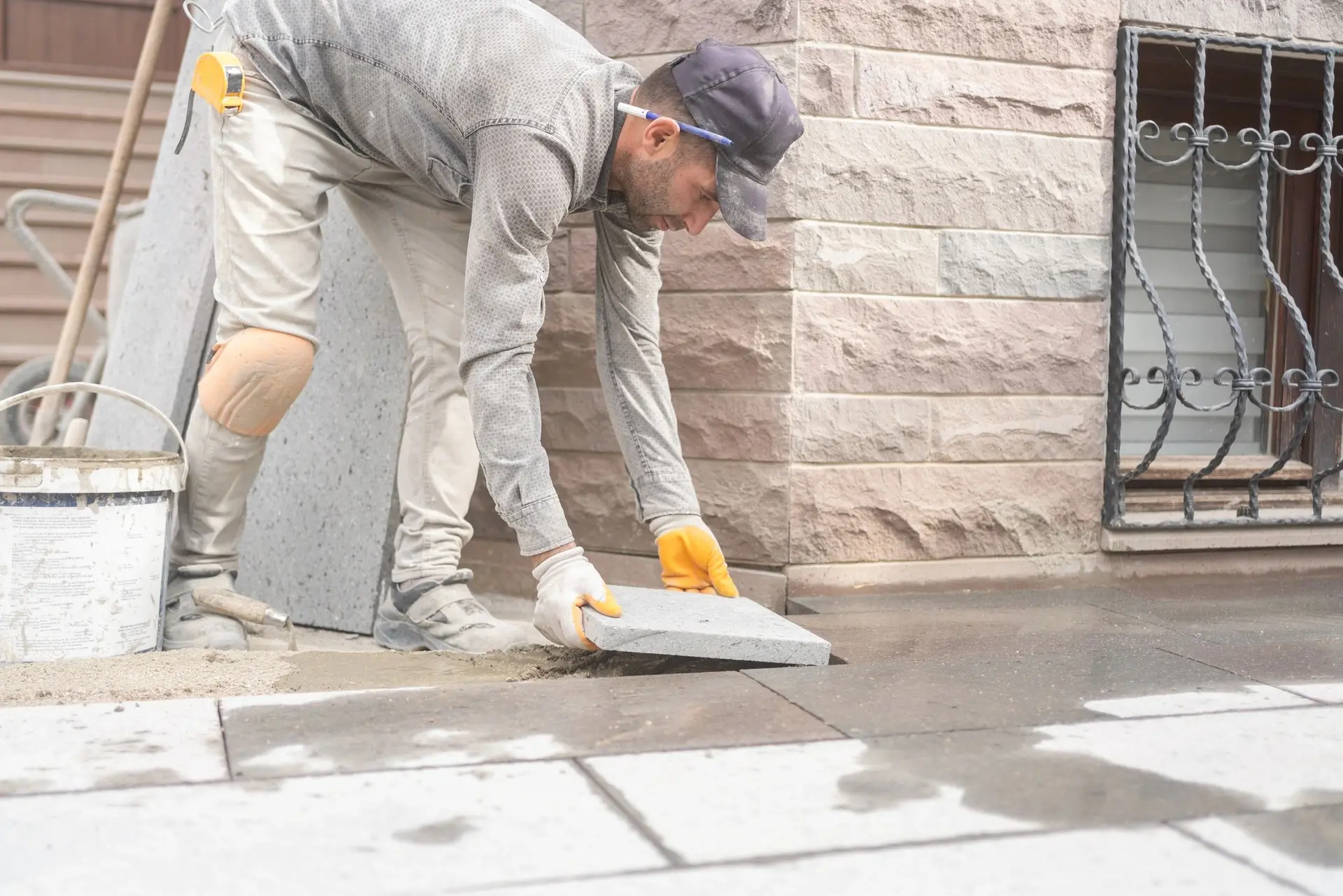
Why Homeowners Are Turning to Cement for Durable, Stylish Backyards
Cement is no longer just the foundation of driveways and sidewalks—it's becoming the go-to choice for transforming outdoor living spaces across the country, especially in regions with shifting seasons like Chicagoland and northern Illinois. Homeowners are discovering that modern cement applications offer unmatched durability, design flexibility, and low maintenance—making them ideal for patios, walkways, outdoor kitchens, and decorative hardscaping. Unlike wood or pavers, properly installed cement resists cracking from freeze-thaw cycles, won’t warp over time, and requires minimal upkeep.
What’s driving the trend? Today’s techniques allow for stamped, colored, and textured finishes that mimic stone, brick, or even wood—all with the strength of reinforced concrete. Whether you're leveling a backyard slope, creating a seamless entertaining space, or adding custom borders and lighting integrations, cement gives you the structural integrity and creative freedom to bring your vision to life.
In this guide, you’ll learn how to leverage cement’s unique advantages—from planning your design to selecting finishes and avoiding common installation pitfalls. You’ll also discover how professional-grade prep work, proper reinforcement, and code-compliant expansion joints ensure your backyard upgrade lasts decades, not years.
5 Must-Know Cement Backyard Installations for Lasting Outdoor Appeal
Transforming your outdoor space with cement installations offers durability, style, and increased property value—especially in regions with extreme seasonal shifts like Chicagoland. Here are five popular cement backyard options that combine function and aesthetic appeal, designed to meet local climate demands and architectural styles.
- Stamped Concrete Patios
Mimic the look of natural stone, brick, or wood with stamped concrete patios. This versatile option allows for custom patterns and colors, making it ideal for entertainment areas. In northern Illinois, proper base preparation and frost-resistant sealants ensure longevity despite freeze-thaw cycles. - Colored Concrete Driveways
Upgrade curb appeal with integrally colored or surface-applied stains on driveways. These installations resist chipping and fading when correctly sealed and are ideal for properties in Naperville, Aurora, and surrounding suburbs seeking a polished look with minimal upkeep. - Polished Concrete Slabs
Perfect for modern outdoor living spaces, polished slabs offer a sleek, reflective finish ideal for covered patios or garden walkways. They require professional grinding and densifying but provide a long-lasting, low-maintenance surface. - Exposed Aggregate Walkways
Achieve both traction and visual interest with exposed aggregate concrete. Washed or brushed surfaces reveal decorative stones or pebbles, making these walkways slip-resistant and ideal for rainy or icy conditions common in the Midwest. - Textured Overlay Surfaces
Revitalize old slabs without full replacement using cementitious overlays. Apply stamped, brushed, or acid-washed finishes to renew faded patios or pool decks, extending the life of existing concrete while matching updated landscape designs.
Lay the Groundwork: Your Step-by-Step Planning Guide for a Concrete Backyard Upgrade
Transforming your backyard with concrete starts long before the first truck arrives. Proper planning and preparation are essential to ensure your project complies with local regulations, performs well over time, and adds lasting value to your home. Begin by evaluating your site’s topography, drainage patterns, and existing structures—account for slope, soil type, and proximity to your foundation or utility lines. In areas prone to freeze-thaw cycles, such as Chicagoland and surrounding regions, these factors directly impact slab durability and subbase requirements.
Next, determine whether your project requires a concrete permit. Most municipalities mandate permits for slabs over 30 square feet, any structural additions, or work near property lines. Contact your local building department to verify setback rules, slab thickness standards, and reinforcement requirements, which often include rebar or wire mesh placement and expansion joints every 8 to 12 feet.
- Assess the Site – Mark utility lines, check for tree roots, and confirm proper drainage away from your home (minimum ¼-inch slope per foot).
- Check Zoning & Codes – Confirm local regulations for patios, driveways, or retaining walls—especially important in suburbs like Naperville or Aurora.
- Secure Permits Early – Submit a site plan with dimensions and elevations; allow 7–14 days for approval.
- Prepare the Area – Clear vegetation, remove debris, and compact the subbase to prevent future settling. Starting with solid planning sets the stage for a seamless, code-compliant pour that withstands the test of time.
Elevate Your Backyard with Custom Cement Finishes
Transforming your backyard with cement doesn’t mean settling for a plain, gray slab. With modern finishing techniques like stamping, staining, and texturing, you can achieve the look of natural stone, brick, or even wood—with the durability and cost-efficiency of concrete. These methods not only boost curb appeal but also add long-term value, especially in regions like Naperville, Aurora, and other Chicagoland areas where outdoor living spaces face seasonal extremes.
Stamped concrete mimics high-end materials by pressing patterns into freshly poured slabs. Popular options include flagstone, cobblestone, and slate, offering a premium appearance without the cost or maintenance.
Concrete staining uses acid-based or water-based dyes to add rich, translucent color that penetrates the surface. Unlike paint, stains won’t peel and resist fading, making them ideal for patios and walkways exposed to freeze-thaw cycles.
Texturing involves techniques like broom finishing, exposed aggregate, or trowel detailing to create slip-resistant, visually dynamic surfaces. These finishes enhance safety while adding depth and character.
For best results:
- Apply finishes after proper curing (typically 7–14 days)
- Seal stained or stamped surfaces to protect against moisture and UV damage
- Choose patterns and colors that complement your home’s architecture and landscape By combining these methods, homeowners can design a cohesive, low-maintenance backyard space that stands up to northern Illinois weather while maximizing aesthetic impact.
Cement Backyard FAQs: What Homeowners Need to Know Before Paving
How much does a cement backyard typically cost?
Costs vary widely based on size, finish, and labor, but homeowners can expect to invest between $6 and $15 per square foot for standard poured concrete. Stamped or colored concrete, which mimics stone or brick, increases costs to $8–$20 per square foot. Additional features like exposed aggregate, custom scoring, or integrated lighting will also impact the overall budget. In regions with freeze-thaw cycles, proper base preparation and reinforcement add to initial costs but prevent expensive repairs later.
Is concrete high-maintenance for outdoor spaces?
Concrete is among the most low-maintenance hardscaping materials when properly installed. Regular cleaning with a hose or pressure washer keeps it looking fresh, while resealing every 2–3 years protects against stains and moisture penetration. Avoid using deicing salts in winter—opt for sand or pet-safe alternatives to prevent surface spalling.
How long does a cement backyard last?
With correct installation and care, a concrete backyard can last 25 to 30 years or more. Longevity depends on climate, soil stability, and adherence to code requirements like expansion joints and proper drainage. In Chicagoland and similar zones, selecting air-entrained concrete helps resist cracking from freezing temperatures.
Can I customize the look of my concrete patio or walkway?
Absolutely. Modern concrete offers extensive customization: choose from stamped patterns, stained or dyed colors, hand-troweled textures, or exposed aggregate finishes. Decorative scoring can mimic natural stone or pavers, and borders or inlays add artistic flair—letting you create a unique outdoor living space.
Are cracks in concrete normal?
Yes, minor hairline cracks are common due to natural settling and temperature shifts. However, properly placed control joints help direct cracking along predetermined lines. Large or widening cracks may indicate poor installation, inadequate base compaction, or drainage issues needing professional attention.
Do I need expansion joints in my backyard concrete?
Yes. Expansion and control joints are critical in concrete slabs to absorb movement from temperature fluctuations and ground shifts. Typically spaced every 8–12 feet, these cuts or inserts reduce stress and prevent random cracking—especially important in northern Illinois climates.
Can concrete be repaired if damaged?
Most concrete damage—such as spalling, chipping, or joint deterioration—can be repaired using patching compounds or resurfacing techniques. Early intervention prevents moisture infiltration, which can compromise the subbase or lead to structural issues over time.
Why Cement Is the Smart Choice for Lasting Outdoor Living
When it comes to upgrading your backyard, few materials offer the balance of strength, flexibility, and longevity that cement provides. From sleek stamped patios to durable walkways and decorative retaining walls, cement serves as a foundation for beauty and function in outdoor spaces across Chicagoland and similar climates. Its ability to withstand freeze-thaw cycles, resist cracking when properly reinforced, and adapt to custom designs makes it a go-to choice for homeowners seeking both style and resilience.
Cement isn’t just practical—it’s customizable. Whether you prefer a rustic brushed finish, a polished look, or textured patterns that mimic stone or pavers, modern techniques allow for endless aesthetic possibilities. Plus, with proper jointing, subbase preparation, and slope for drainage, cement installations can last decades with minimal maintenance. This durability translates to long-term value, reducing the need for frequent repairs or replacements common with wood decks or gravel surfaces.
If you're planning a backyard transformation, start by assessing your space:
- Identify high-traffic zones needing durable surfacing
- Consider how drainage flows and plan accordingly
- Explore design options that complement your home’s architecture Take the next step by researching local best practices and preparing a layout that maximizes usability and curb appeal. Cement’s versatility means your outdoor vision—functional, attractive, and built to last—is well within reach. Invest in a material that stands the test of time, season after season.