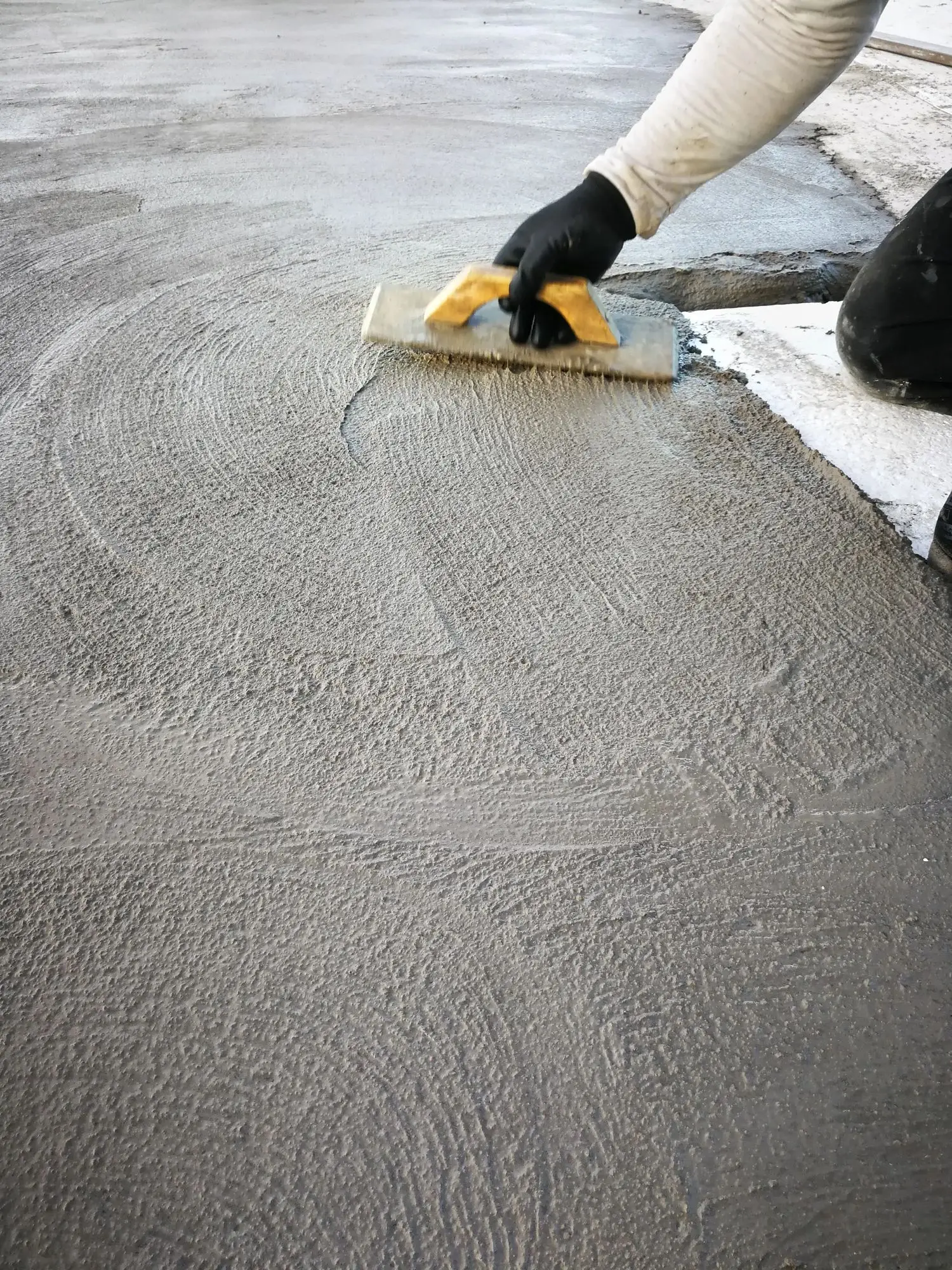
Why Professional Cement Services Are Crucial in Arlington Heights
In Arlington Heights, where freeze-thaw cycles and clay-heavy soil create ongoing challenges, professional cement services are vital for long-term structural performance. These environmental factors lead to common issues like cracked slabs, uneven settling, and foundation stress—problems that go beyond aesthetics and can compromise safety and property value. Without proper installation techniques tailored to local conditions, even high-quality concrete can fail prematurely.
The region’s expansive soil absorbs moisture and shifts with seasonal changes, putting pressure on cement surfaces. Professional-grade solutions address this with proper site grading, compacted aggregate bases, and air-entrained concrete that withstands winter’s freeze-thaw rhythm. Control joints, expansion strips, and correct curing practices further reduce random cracking and surface spalling.
You’ll gain insight into how climate-smart installation, timely maintenance, and expert repair strategies help protect driveways, sidewalks, patios, and foundations. Learn how proper drainage, sealing, and reinforcement choices make a lasting difference—and why cutting corners often leads to costlier fixes down the road.
Common Cement Projects That Enhance Properties Across Arlington Heights
In Arlington Heights, cement serves as the foundation for both functional durability and outdoor living appeal. Homeowners and property managers frequently invest in several key cement applications designed to withstand local weather patterns and soil conditions while increasing property value and safety.
Driveways are a primary focus, often constructed with reinforced concrete and a compacted gravel base to resist cracking from freeze-thaw cycles. Textured finishes like broom or stamped concrete improve traction and complement landscaping aesthetics.
Sidewalks require precise installation with control joints every 8–12 feet to manage stress caused by seasonal ground movement. Proper slope and drainage prevent trip hazards and extend slab longevity, especially near public walkways and entry points.
Patios create inviting outdoor spaces using decorative techniques such as colored or brushed concrete. These surfaces benefit from proper sealing to resist moisture, staining, and temperature-related wear common in Arlington Heights’ climate.
Foundations demand strict attention to mix strength, steel reinforcement, and curing time. Given the area’s clay-dense soil, proper installation prevents settling, water intrusion, and structural compromise. Whether for new builds or repairs, skilled execution ensures lasting stability and performance.
Plan & Pour Concrete That Lasts Through Arlington Heights Winters
Installing long-lasting cement work in Arlington Heights demands careful planning to withstand freeze-thaw cycles, moisture-heavy clay soil, and dramatic seasonal shifts. Follow this step-by-step guide to ensure your project stands strong for decades.
- Assess Site Conditions and Drainage
Begin by evaluating soil type and natural water flow. In Arlington Heights, expansive clay retains moisture and swells when wet, leading to slab movement. Design your layout with a minimum slope of 1/4 inch per foot away from foundations to prevent pooling and erosion beneath the slab. - Excavate and Build a Stable Base
Remove topsoil and organic material to a depth of 6–8 inches. Lay down 4–6 inches of crushed stone or gravel, compacting in lifts using a plate compactor. A well-compacted base resists frost heave and provides uniform support—critical in regions prone to ground movement. - Install Forms and Reinforcement
Set rigid, level wooden or metal forms secured with stakes. Position steel rebar or welded wire mesh in the middle third of the slab to control cracking caused by temperature fluctuations and soil expansion common in the area. - Use Climate-Appropriate Concrete Mix
Choose air-entrained concrete with a compressive strength of at least 4,000 psi. This mix contains microscopic air pockets that allow room for water to expand during freezing, reducing internal stress and surface spalling. - Pour, Finish, and Cure Properly
Pour on a dry day with temperatures between 55°F and 85°F. After screeding and floating, apply a broom finish for slip resistance. Begin curing immediately with a liquid curing compound or plastic sheeting, maintaining moisture for 7 days to achieve optimal strength. - Cut Control Joints and Seal
Install control joints every 8–12 feet to manage shrinkage cracks. After 28 days of curing, apply a penetrating sealer to protect against deicing salts, water intrusion, and freeze-thaw damage—essential for durability in Arlington Heights weather.
7 Proactive Strategies to Shield Cement from Arlington Heights’ Climate Challenges
Arlington Heights homeowners face distinct environmental pressures that accelerate wear on cement surfaces—freezing winters, spring thaws, and heavy seasonal rainfall all take a toll. Without targeted maintenance, even well-installed slabs can crack, shift, or erode prematurely. Protect your investment with these seven practical, climate-smart strategies designed for the region’s clay-dense soil and fluctuating temperatures.
- Schedule Sealer Applications Every 2–3 Years
A penetrating concrete sealer forms a critical barrier against water infiltration and chloride damage from snowmelt chemicals. In Arlington Heights, where deicing salts are commonly used, sealed surfaces resist spalling and surface deterioration far longer. Apply during mild, dry weather for optimal absorption and protection. - Address Cracks Immediately with Polymer Fillers
Hairline fractures may seem minor, but they allow moisture to penetrate and expand during freeze cycles. Use a flexible, polymer-modified concrete caulk for effective long-term repair. Clean the crack thoroughly and ensure it’s dry before application to maximize adhesion and prevent subsurface damage. - Maintain Consistent Surface Cleanliness
Organic debris like leaves and moss trap moisture, promoting staining and surface degradation. Regular sweeping and annual low-pressure washing remove contaminants without damaging the finish. Pay close attention to joints and low-lying areas where water tends to pool. - Optimize Yard Grading for Positive Drainage
Ensure the ground slopes at least 1/4 inch per foot away from cement structures to prevent water accumulation. Poor drainage leads to soil erosion beneath slabs, increasing the risk of uneven settling—a common issue in Arlington Heights’ expansive clay soil. - Use Non-Damaging Deicing Alternatives
Avoid rock salt (sodium chloride), which accelerates concrete spalling and corrodes reinforcement. Instead, use sand for traction or switch to safer options like calcium magnesium acetate, which are less abrasive to cured concrete. - Inspect and Recondition Control Joints Annually
Control joints manage stress from thermal expansion and ground movement. Clear debris and reseal with flexible joint filler every few years to maintain their effectiveness and prevent random cracking. - Monitor for Early Signs of Settling or Heaving
Walkways or patios that feel uneven or show visible gaps near foundations may indicate subsoil movement. Early detection allows for timely mudjacking or leveling before full replacement becomes necessary.
Your Top Questions About Cement Projects in Arlington Heights Answered
Do I need a permit for cement work in Arlington Heights?
Yes, most structural concrete projects—such as driveways, sidewalks, patios, and foundation work—require a permit from the Arlington Heights building department. Permits ensure your project meets local zoning regulations, setback requirements, and safety standards. Work near property lines, public spaces, or utility areas often triggers additional reviews. Always check with local authorities before beginning any installation to avoid fines or having to remove non-compliant work.
When is the best time to pour concrete in Arlington Heights?
The optimal window is between late spring and early fall when temperatures consistently range from 50°F to 90°F. These conditions support proper hydration and reduce the risk of early freezing or rapid drying. Due to the region’s volatile weather, avoid late-season pours unless protective measures like insulated blankets are used to guard against sudden cold snaps.
How long should I wait before walking or driving on new concrete?
Allow at least 48 hours before walking on a new slab and a full seven days before driving or placing heavy objects on it. While concrete reaches usable strength in a week, it achieves full compressive strength after 28 days. Cooler or humid conditions common in Arlington Heights may extend curing times.
What finishes hold up best in Arlington Heights’ climate?
For outdoor use, a broom finish enhances traction on wet or icy surfaces. Stamped and textured finishes provide durability and visual appeal while masking seasonal wear. Pair any finish with a penetrating sealer to resist freeze-thaw damage and deicing salts, common in northern Illinois winters.
Why are control joints necessary in concrete slabs?
Control joints create planned weak points that guide cracking caused by temperature shifts and soil movement. In Arlington Heights’ clay-rich ground, cutting joints every 8–12 feet to 25% of slab depth helps prevent random, unsightly cracks and maintains structural integrity.
Is it better to hire a pro or do it myself?
While small DIY projects are possible, most installations benefit from professional experience—especially site grading, base compaction, and mix selection. Poor preparation leads to settling and cracking, particularly in this area’s expansive soil. Professional installers ensure code compliance, longevity, and performance under local conditions.
Secure Your Property’s Long-Term Value with Smart Cement Decisions
Investing in professional-grade cement solutions is one of the most effective ways to protect your property against the hidden forces that compromise structural longevity. In Arlington Heights, where expansive soils and seasonal freeze-thaw cycles place continuous stress on concrete, superficial fixes often fail—leading to recurring damage, safety hazards, and rising maintenance costs. True durability comes from understanding and addressing the root causes: improper grading, inadequate subbases, and lack of climate-appropriate materials. The right cement work begins long before the pour, with thorough site evaluation, proper base compaction, and strategic use of control joints and air-entrained concrete designed to withstand regional challenges.
To maximize the lifespan of your concrete investments, stay proactive:
- Schedule regular inspections for early signs of cracking, settling, or joint deterioration
- Reapply a penetrating sealer every 2–3 years to prevent moisture absorption
- Direct runoff away from slabs using correct grading and downspout placement
- Avoid chloride-based deicers that accelerate surface spalling and corrosion Well-executed cement services do more than enhance curb appeal—they reinforce safety, prevent water intrusion into foundations, and reduce long-term repair expenses. Don’t wait until visible damage appears. Take actionable steps today to evaluate your property’s concrete elements and ensure they’re built and maintained to last. By prioritizing expert solutions tailored to Arlington Heights’ unique conditions, you secure both your property’s performance and peace of mind for years to come.