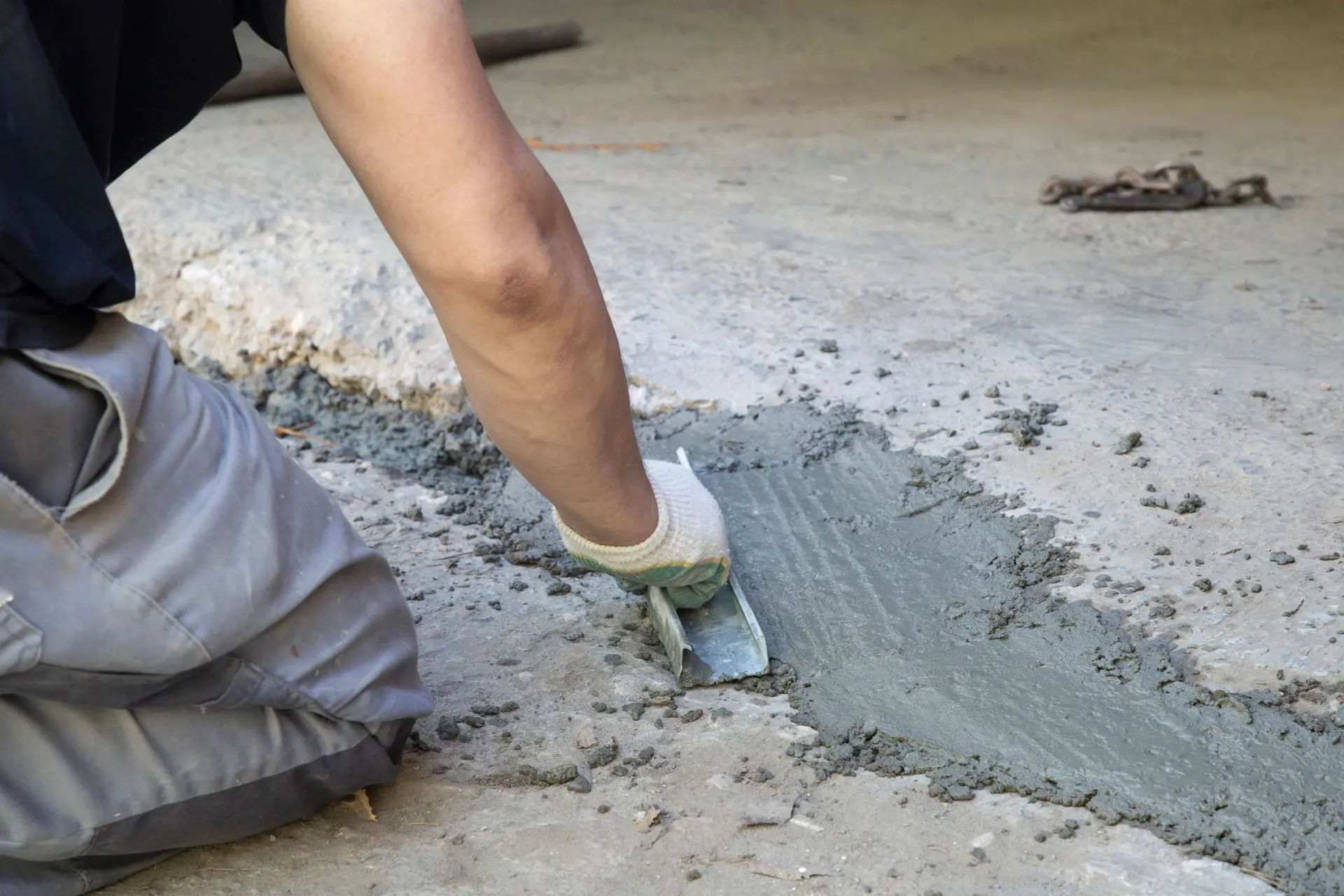
Why Durable Concrete Work Matters for Mount Prospect Property Owners
In Mount Prospect, where seasonal freeze-thaw cycles and clay-rich soil create unique challenges, investing in professional cement services is essential for protecting your property’s structural integrity and long-term value. Homeowners and business operators alike face recurring issues like cracked driveways, uneven sidewalks, and deteriorating foundations—problems that often stem from poor installation or inadequate maintenance. These aren’t just cosmetic concerns; they can lead to safety hazards, water intrusion, and costly repairs down the line.
Cement services provide solutions tailored to local environmental stressors. Proper slab installation begins with site grading and a compacted aggregate base to resist frost heave, a common cause of shifting and cracking. Air-entrained concrete, control joints, and expansion strips are critical components that manage internal stress and prevent premature failure. Surface finishes, including broom-textured or stamped patterns, not only improve traction but also enhance curb appeal.
You’ll learn how to identify when repairs are needed versus full replacement, the importance of sealing every 2–3 years, and how proper drainage protects your concrete investments. Whether you’re maintaining a residential patio or a commercial walkway, understanding these fundamentals helps you make informed, cost-effective decisions that stand up to Mount Prospect’s climate.
Common Cement Projects That Enhance Homes and Businesses in Mount Prospect
From driveways to foundational support, cement plays a vital role in both residential and commercial properties throughout Mount Prospect. The region’s fluctuating climate and soil composition demand thoughtful planning for every project to ensure lasting durability and safety. Homeowners and property managers commonly invest in key cement applications that not only improve functionality but also boost curb appeal and long-term value.
Driveways are among the most impactful projects, requiring reinforced subbases and proper grading to handle vehicle loads and seasonal temperature shifts. Textured finishes like broom or stamped concrete add traction and aesthetic appeal, while control joints help prevent unsightly cracks caused by ground movement.
Sidewalks must be installed with expansion joints every 8–12 feet to manage stress from freeze-thaw cycles prevalent in the area. Uneven slabs pose tripping hazards, so proper slope and stable base layers are essential for compliance and safety.
Patios extend outdoor living space and often use decorative techniques such as brushed or colored concrete. These surfaces benefit from proper sealing to resist moisture penetration and staining from grilling or weather exposure.
Foundations require precise mix specifications, steel reinforcement, and adequate curing time to prevent settling or water intrusion—critical considerations given Mount Prospect’s clay-dense soil. Whether new construction or repair, attention to detail ensures structural integrity for years to come.
Mastering Cement Installation in Mount Prospect: A Step-by-Step Guide
Installing durable cement work in Mount Prospect requires a strategic approach tailored to the region’s distinct climate and soil composition. With heavy clay soils and frequent freeze-thaw cycles, proper installation is critical to prevent cracking, shifting, and premature deterioration. Follow these proven steps for long-lasting results.
- Evaluate Soil and Plan Layout
Begin by assessing the site’s soil type and drainage patterns. In Mount Prospect, expansive clay retains moisture and shifts with temperature changes. Design your project with proper slope—minimum 1/4 inch per foot—away from structures to prevent water accumulation. - Excavate and Prepare the Base
Remove topsoil, vegetation, and debris to a depth of 6–8 inches. A stable subbase is crucial: lay 4–6 inches of crushed gravel and compact thoroughly in layers to reduce settling and resist frost heave. - Set Forms and Reinforcement
Use rigid, level forms anchored securely to maintain edges. Install steel rebar or wire mesh in the middle third of the slab to enhance tensile strength and control crack propagation common in this region. - Pour with Climate-Smart Mix
Use air-entrained cement with a compressive strength of 4,000 psi or higher. Schedule the pour during stable weather—ideally between 55°F and 85°F—to support proper curing and avoid early freezing or rapid drying. - Finish and Cure Methodically
After screeding and floating, apply a broom finish for slip resistance. Begin curing immediately using a liquid membrane or plastic sheeting, maintaining moisture for at least 7 days to build strength. - Install Control and Expansion Joints
Cut control joints every 8–12 feet and at changes in slab thickness to direct cracking. Use expansion strips where slabs meet structures to accommodate movement. - Seal for Long-Term Protection
After full curing (28 days), apply a penetrating sealer to resist water intrusion, deicing salts, and surface degradation—key for Mount Prospect’s harsh winters.
6 Essential Maintenance Tips to Extend the Life of Your Cement Surfaces
Cement surfaces in Mount Prospect face constant stress from seasonal temperature swings, moisture exposure, and daily wear. Without proper care, driveways, patios, and walkways can crack, settle, or deteriorate prematurely—leading to costly repairs. Fortunately, proactive maintenance can dramatically extend the lifespan of your cement installations. Follow these six expert-backed strategies to protect your investment and maintain structural integrity year after year.
- Apply a Penetrating Sealer Every 2–3 Years
Sealing is one of the most effective ways to shield cement from moisture and deicing chemicals common in northern Illinois winters. A high-quality penetrating sealer reduces water absorption, prevents freeze-thaw damage, and guards against efflorescence. Reapply every few years, especially on horizontal surfaces like driveways and patios that endure direct weather exposure. - Repair Cracks Promptly to Prevent Escalation
Even small hairline cracks can allow water to penetrate beneath the surface, leading to freeze-thaw spalling or structural weakening. Use a polymer-modified concrete crack filler for cracks wider than 1/8 inch. Clean the area thoroughly, roughen the edges, and allow proper drying before application to ensure strong adhesion and lasting results. - Keep Surfaces Clean and Free of Organic Debris
Leaves, dirt, and grime trap moisture against cement surfaces, increasing the risk of staining and deterioration. Regularly sweep walkways and pressure wash surfaces annually using moderate PSI settings to avoid surface pitting. Clear debris from control joints and expansion strips to maintain flexibility and drainage. - Ensure Proper Drainage Away from Slabs
Standing water near cement structures leads to erosion, settling, and hydrostatic pressure. Grade soil to slope at least 1/4 inch per foot away from foundations, patios, and driveways. Redirect downspouts and install splash blocks to prevent concentrated water flow that undermines subbases. - Avoid Harsh Deicing Chemicals Containing Chlorides
Rock salt and other chloride-based ice melters accelerate spalling and corrode any embedded metal reinforcement. Opt for sand for traction or use less aggressive alternatives like calcium chloride or magnesium chloride, which are safer for cured cement surfaces. - Inspect and Maintain Control Joints
Control joints are designed to direct cracking along predetermined lines. Over time, these joints can collect debris or erode. Clean them regularly and refill with flexible joint sealant to allow for seasonal movement and prevent random cracking due to thermal expansion. By following these practical steps, homeowners in Mount Prospect can keep their cement surfaces looking better longer while avoiding expensive repairs down the line.
Your Top Questions About Cement Projects in Mount Prospect Answered
Do I need a permit for cement work in Mount Prospect?
Yes, most structural cement projects—including driveways, sidewalks, patios, and foundation repairs—require a permit from the Mount Prospect municipal building department. Permits ensure compliance with local zoning laws, setback requirements, and safety codes. Projects near property lines, utility connections, or public walkways often involve additional review. Always confirm permit requirements before starting any project to avoid costly delays or corrective work.
What’s the best time of year to pour cement in Mount Prospect?
The ideal window is between late spring and early fall when daytime temperatures consistently range from 50°F to 90°F. These conditions allow proper hydration and curing, minimizing risks from early freeze damage or rapid drying. Avoid late-season pours without protective measures like insulated blankets, as Mount Prospect’s sudden cold snaps can weaken improperly cured slabs.
How long should I wait before using newly poured cement?
Wait at least 48 hours before walking on a new slab and seven full days before placing heavy loads, such as furniture or vehicles. Full strength develops over 28 days, so minimize stress during the early weeks. Curing time may extend in cooler or humid conditions common in the area.
What cement finishes work best in Mount Prospect’s climate?
For outdoor applications, a broom finish provides essential slip resistance on walkways and driveways. Stamped or textured finishes offer aesthetic appeal while improving traction and hiding seasonal wear. Smooth trowel finishes are ideal for indoor or sheltered areas. Always pair with a high-quality penetrating sealer to resist freeze-thaw cycles and deicing chemicals.
Why are control joints important in cement slabs?
Control joints create planned stress points that guide cracking caused by temperature fluctuations and ground movement. In Mount Prospect’s expansive soil conditions and variable weather, joints should be cut every 8–12 feet to a depth of 25% of the slab thickness, preventing random, unattractive cracks.
Can I install cement myself, or should I hire a professional?
While small, non-structural projects may be DIY-friendly, most cement work benefits from professional expertise—especially site prep, subbase compaction, and mix selection. Improper grading or inadequate base material leads to settling and premature failure in Mount Prospect’s clay-rich soil. Hiring experienced installers ensures code compliance, durability, and long-term performance.
Protect Your Property’s Future with Expert Cement Solutions
Investing in professional cement services isn’t just about fixing cracks or upgrading curb appeal—it’s about safeguarding your property’s structural integrity for years to come. In Mount Prospect, where seasonal temperature swings and moisture fluctuations stress concrete year after year, cutting corners during installation or repair can lead to costly consequences. Properly executed cement work combats common issues like spalling, settling, and frost heave by addressing root causes, not just surface symptoms.
Quality begins with a strong foundation: adequate grading, a compacted subbase, and correct use of control joints ensure stability. Using air-entrained concrete and applying a penetrating sealer further protects against freeze-thaw damage and water infiltration—especially crucial in this region’s clay-heavy soil and humid climate. Whether you're installing a new driveway, repairing a sidewalk, or pouring a patio, these best practices enhance safety, extend lifespan, and reduce long-term maintenance costs.
To get the most out of your concrete investments:
- Schedule biannual inspections to catch cracks or uneven settling early
- Clean surfaces regularly and reseal every 2–3 years
- Ensure downspouts and grading direct water away from slabs and foundations Don’t wait for visible damage to take action. Proactive care and professional-grade techniques deliver lasting results. Evaluate your property’s concrete elements today and take the next step toward durable, weather-resistant surfaces that stand strong through Mount Prospect’s toughest conditions.