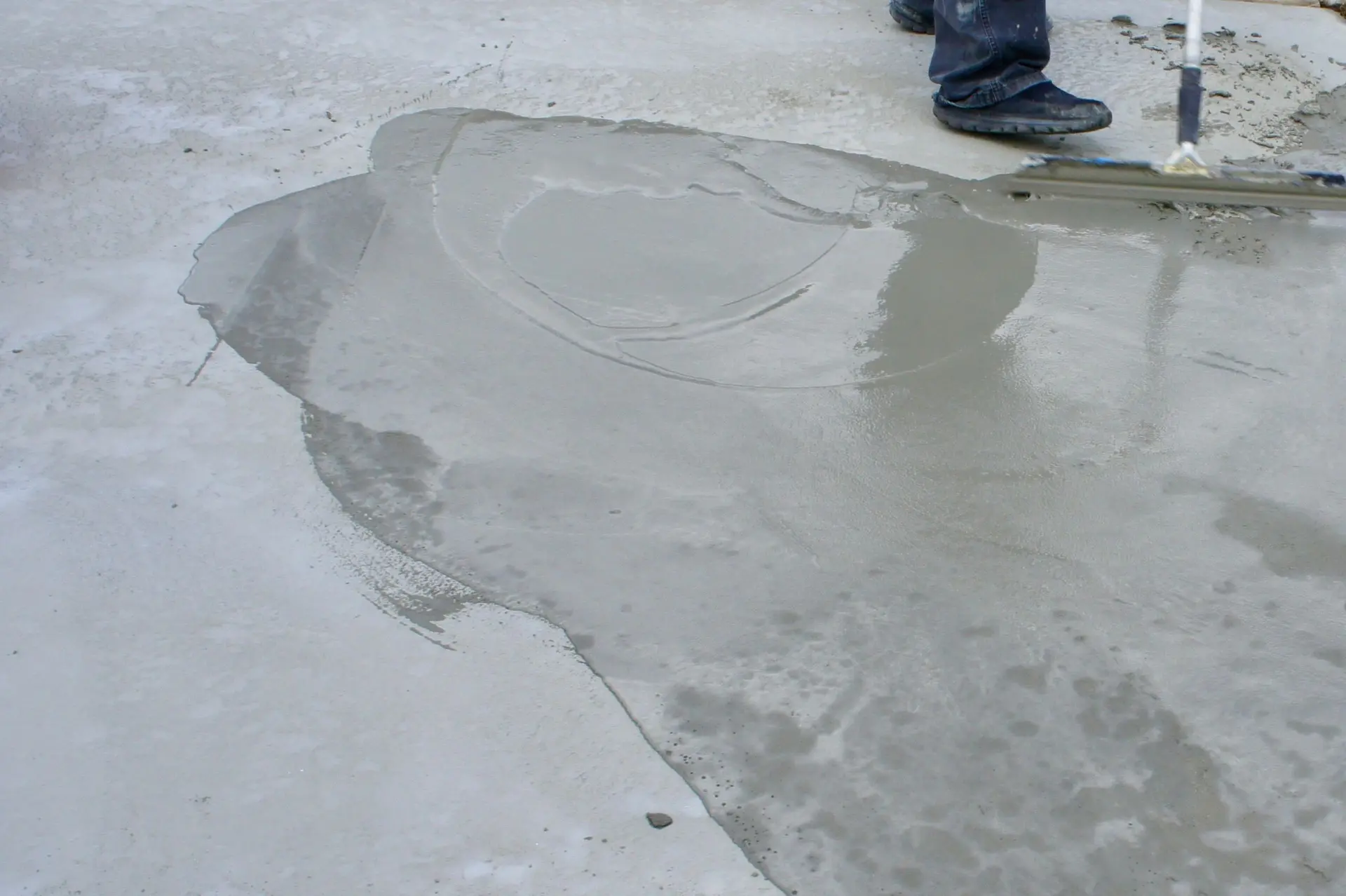
The Unsung Hero of Property Protection: What Are Concrete Aprons and Why They Matter
Often overlooked but critically important, concrete aprons serve as the first line of defense against water damage and soil erosion around structures. Positioned at key transition points—like where a driveway meets a garage, or adjacent to downspouts—these reinforced slabs are engineered to manage runoff, direct water flow, and prevent pooling near foundations. In regions like Naperville, Aurora, and throughout the Midwest, where freeze-thaw cycles and heavy rainfall are common, concrete aprons play a vital role in maintaining structural integrity.
Unlike standard concrete pours, aprons are designed with proper slope, joint placement, and often steel reinforcement to withstand constant exposure to water, weight, and temperature shifts. Their primary function is simple but essential: intercept and redirect water before it undermines footings, erodes soil, or seeps into basements. Without them, even well-constructed buildings face increased risk of settling, cracking, and moisture intrusion.
In this guide, you’ll learn how concrete aprons work, the best practices for installation and maintenance, and how to spot early signs of failure. Whether you're managing a residential property or overseeing commercial grounds, understanding this foundational element can save time, money, and prevent long-term damage.
Built to Last: Why Concrete Aprons Are a Smart Investment for Any Property
Concrete aprons deliver unmatched durability and long-term value for homes and commercial properties, especially in regions like Naperville, Aurora, and across the Midwest where freeze-thaw cycles and heavy rainfall test building materials. Designed to span the transition between driveways, foundations, and walkways, these reinforced slabs resist cracking, shifting, and surface erosion better than alternative materials. Built with proper reinforcement such as rebar or fiber mesh and installed over a compacted sub-base, concrete aprons maintain structural integrity under heavy loads and extreme weather—making them ideal for high-traffic entryways and vehicle access points.
Beyond strength, modern concrete aprons offer versatile design options. Integral coloring, stamped textures, and exposed aggregate finishes allow property owners to match or complement existing hardscapes, enhancing curb appeal without sacrificing function. Decorative edging and control joints can be aligned with expansion joints in adjacent slabs, ensuring seamless integration with driveways, sidewalks, and garage slabs.
For lasting performance:
- Use a minimum 4-inch thickness with reinforcement for vehicle-bearing areas
- Ensure proper slope (¼ inch per foot) away from foundations to direct water
- Install control joints every 10–12 feet to manage natural shrinkage
- Seal every 3–5 years to protect against deicing salts and moisture infiltration By combining resilience with aesthetic flexibility, concrete aprons solve common problems like water pooling, trip hazards, and foundation damage—delivering a low-maintenance, code-compliant solution that stands the test of time.
Build It Right: A Step-by-Step Guide to Installing a Durable Concrete Apron
Installing a concrete apron properly ensures lasting protection for driveways, garage entries, and commercial loading zones—especially in regions like Naperville, Aurora, and across the Midwest with harsh freeze-thaw cycles. Follow these essential steps for a strong, functional, and long-lasting installation.
- Prepare the Site
Excavate the area to a depth of 6–8 inches, removing all topsoil, roots, and debris. Ensure the ground slopes away from the structure at 1/4 inch per foot for proper drainage. Compact the soil base thoroughly using a plate compactor to prevent future settling. - Install Edge Forms and Reinforcement
Set sturdy wooden or metal forms along the perimeter and secure them with stakes every 2 feet. Place rebar or welded wire mesh 2 inches above the base to reinforce the slab and resist cracking from ground movement or heavy loads. - Add a Stable Base Layer
Spread a 4–6 inch layer of compacted gravel (¾-inch stone) over the subgrade. This improves drainage and load distribution. Top with a 1-inch layer of sand or stone dust for a smooth, level surface before pouring. - Pour and Smooth the Concrete
Use a high-strength concrete mix (minimum 4,000 psi) and pour in one continuous pass. Screed the surface flat, then use a bull float to smooth and compact the top layer. Apply a broom finish for slip resistance. - Cure for Strength
Keep the slab moist for at least 7 days using a liquid curing compound or plastic sheeting. Avoid foot or vehicle traffic during this period to allow full strength development and reduce cracking risks in Northern Illinois climates.
Protect Your Investment: Smart Maintenance for Long-Lasting Concrete Aprons
Concrete aprons face relentless exposure to weather, heavy loads, and seasonal stress—especially in regions like Naperville, Aurora, and across the Midwest where freeze-thaw cycles accelerate wear. Without proper care, cracking, spalling, and erosion can compromise both function and safety. Fortunately, routine maintenance can dramatically extend service life and maintain structural integrity.
Start with seasonal cleaning. Remove dirt, debris, and organic buildup using a stiff brush or pressure washer. Avoid chloride-based deicers in winter; instead, use calcium chloride or sand for traction, as sodium-laden compounds penetrate concrete and worsen freeze-thaw damage.
Sealing is critical—apply a high-quality penetrating sealer every 2–3 years. This shields against moisture intrusion, reduces surface scaling, and prevents chloride ingress, especially important for aprons near roadways or driveways.
Inspect regularly for cracks or joint deterioration. Small cracks (under 1/4 inch) should be filled with flexible polyurethane or silicone caulk to prevent water entry. Larger cracks or spalled edges require routing and repair with polymer-modified concrete patching mortar for lasting adhesion.
Pay close attention to control joints—these designed expansion points must remain clean and unobstructed. Use backer rod and sealant to maintain flexibility and prevent random cracking.
By implementing these practices annually, property owners maintain performance, improve safety, and reduce long-term repair costs—all while preserving the clean, professional appearance of their concrete aprons.
7 Common Concrete Apron Problems and Proven Solutions for Lasting Performance
Concrete aprons—those reinforced slabs at the mouth of garages, driveways, and loading zones—are workhorses in both residential and commercial settings across Naperville, Aurora, and the broader Midwest. Exposed to constant traffic, freeze-thaw cycles, and water runoff, they’re prone to wear. Recognizing common issues early and applying targeted fixes ensures safety, functionality, and longevity.
1. Surface Cracking from Shrinkage or Stress
Hairline or structural cracks often form due to improper curing, inadequate control joints, or ground movement. To prevent this, ensure proper joint spacing (every 10–15 feet) during installation. For repairs, clean the crack and inject with a flexible, urethane-based sealant. Wider cracks may require routing and filling with polymer-modified mortar.
2. Settling Due to Poor Sub-Base Compaction
When the soil beneath erodes or wasn’t compacted properly, the apron sinks, creating trip hazards and reverse slopes that impede drainage. Evaluate the extent of settlement—mudjacking or foam leveling can lift slabs back into position with minimal disruption, restoring grade and function.
3. Edge Spalling from Water Infiltration
Repeated freeze-thaw cycles cause water trapped in micro-cracks to expand, chipping away at slab edges. Apply a breathable, penetrating concrete sealer every 2–3 years to reduce moisture absorption and surface degradation, especially in high-exposure zones.
4. Drainage Clogs from Debris or Silt Buildup
Aprons often connect to trench drains or catch basins that clog with leaves, dirt, or ice. Clear debris biannually using a stiff brush or pressure washer. Install grates or gravel filters to minimize debris entry and maintain unobstructed water flow.
5. Joint Deterioration from Traffic and Weather
Expansion joints between slabs can degrade from wheel traffic or UV exposure. Inspect annually and refill with flexible backer rod and high-performance joint sealer to prevent water intrusion and cracking.
6. Uneven Slope Leading to Water Pooling
If water collects instead of running off, the apron may have lost its pitch. Correct with surface regrading during resurfacing or by adjusting adjacent drainage paths to redirect flow.
7. Surface Pitting from Chemical or Abrasive Wear
Deicing salts and heavy abrasion erode the surface. Use sand instead of chloride-based ice melts and consider a durable overlay with a broom finish for improved traction and resistance.
Frequently Asked Questions About Concrete Aprons: Lifespan, Drainage, and Seasonal Performance
How long do concrete aprons typically last?
When installed with proper sub-base preparation, control joints, and reinforced concrete, aprons can last 40 to 50 years or more—especially in regions like Naperville, Aurora, and throughout the Midwest. Longevity is heavily influenced by climate resilience, traffic load, and maintenance. Using steel rebar and ensuring precise finishing techniques during installation significantly reduce cracking and spalling over time.
Are concrete aprons cost-effective compared to other materials?
Yes. While initial costs may be slightly higher than asphalt or paver alternatives, concrete aprons offer superior durability and minimal upkeep, making them more economical over decades of service. They resist wear from heavy vehicles, won’t degrade under UV exposure, and maintain structural integrity through repeated freeze-thaw cycles.
Can concrete aprons integrate with existing drainage systems?
Absolutely. Properly sloped aprons (minimum 1/4 inch per foot) direct water efficiently into catch basins, trench drains, or swales. They can be formed with integrated edges or chamfered lips to seamlessly connect with underground pipe systems, preventing pooling and erosion at transition points.
How do concrete aprons perform in winter weather?
They excel in cold climates when installed correctly. Proper curing, joint sealing, and the use of air-entrained concrete enhance resistance to ice damage and deicing chemicals. Avoid magnesium or calcium chloride-based deicers to prevent surface deterioration.
What maintenance do concrete aprons require?
Regular cleaning, sealing every 3–5 years, and prompt crack repair preserve performance. Inspect joints annually and clear debris to maintain proper drainage flow.
Safeguard Your Property’s Foundation: The Final Step in Concrete Apron Care
Concrete aprons are more than just functional transitions between structures—they’re vital defenses against water infiltration, soil erosion, and long-term property damage. As the final piece in your property’s protective envelope, their performance hinges on two key factors: proper installation and consistent maintenance. Without the right slope, reinforcement, and joint placement during setup, even high-quality concrete can crack, settle, or fail under seasonal stress, especially in regions like Naperville, Aurora, and across the Midwest with harsh freeze-thaw cycles.
Over time, neglecting cleaning and inspection can lead to blocked drainage paths, uneven settling, or spalling surfaces—issues that compromise both safety and curb appeal. To protect your investment:
- Schedule biannual inspections to catch cracks, gaps, or misalignment early
- Keep joints free of debris and seal them every 2–3 years with flexible, weather-resistant caulk
- Ensure adjacent landscaping directs water toward, not against, the apron Small efforts today prevent costly repairs tomorrow. By prioritizing correct installation techniques and proactive upkeep, you enhance durability, maintain seamless water management, and improve your property’s visual appeal. If you're noticing signs of wear or improper grading, consider consulting a qualified concrete professional familiar with local soil and climate conditions. Stay ahead of deterioration—your property’s integrity depends on it.