Built to Last: Why Concrete Basements Are the Backbone of Strong Homes
Beneath nearly every modern home and commercial building lies a critical structural component: the concrete basement. More than just a foundation, concrete basements provide unmatched durability, moisture resistance, and long-term value—making them a go-to choice for builders and property owners in regions like Carol Stream and across northern Illinois, where soil movement and seasonal weather pose ongoing challenges. Whether you're constructing a new home, expanding living space, or protecting against water intrusion, a properly designed concrete basement serves as both an anchor and a safeguard.
These subterranean spaces do more than support walls and floors—they enhance energy efficiency, improve indoor air quality when sealed correctly, and offer versatile space for utilities, storage, or finished living areas. For homeowners in areas with expansive clay soils or fluctuating water tables, reinforced concrete basements resist settling, cracking, and moisture penetration far better than alternatives.
In this guide, you'll learn how concrete basements are constructed, key design considerations for different soil types and climates, and best practices for waterproofing, drainage integration, and long-term maintenance—empowering you to make informed decisions for lasting structural integrity.
Building from the Ground Up: Your Step-by-Step Guide to Concrete Basement Construction
Constructing a concrete basement is a foundational step in creating a durable, long-lasting home—especially in regions like Carol Stream and throughout the Midwest, where soil conditions and weather patterns demand resilient construction methods. A properly built basement not only provides usable square footage but also ensures structural integrity and moisture resistance for decades.
- Site Preparation and Excavation
Begin by clearing the build site and marking layout lines accurately using batter boards and string. Excavate to a depth of at least 8–10 feet below grade, accounting for footing and wall height. Compact the soil thoroughly and install temporary dewatering systems if groundwater is present. - Footings and Formwork Installation
Pour reinforced concrete footings that extend beyond the wall width, typically 12–16 inches deep. Once set, erect insulated or wood-based formwork for the basement walls, ensuring vertical alignment and bracing to withstand concrete pressure. - Reinforcement with Rebar
Install #4 or #5 steel rebar vertically and horizontally within the forms, spaced at 18-inch intervals. Tie intersections securely and maintain a 2-inch concrete cover using spacers to prevent corrosion and ensure strength. - Pouring and Consolidation
Use high-slump, air-entrained concrete delivered via pump or chute. Pour in continuous lifts to avoid cold joints, and consolidate with vibrators to eliminate air pockets and ensure uniform density. - Curing and Form Removal
Maintain moisture for at least 7 days using curing compounds or wet burlap. Strip forms after 7 days, then inspect for honeycombing or cracks—addressing issues immediately to preserve integrity. Following these steps ensures a structurally sound, code-compliant basement ready for finishing or storage.
Why Concrete Basements Stand the Test of Time
Choosing the right foundation material impacts your home’s longevity, comfort, and long-term value—especially in regions like Carol Stream and across northern Illinois, where shifting soils and fluctuating weather challenge structural integrity. Concrete basements offer unmatched durability, making them a preferred choice for homeowners seeking reliable, low-maintenance foundations. Reinforced concrete resists cracking when properly poured and cured, and when paired with control joints and moisture barriers, it stands strong against seasonal ground movement and hydrostatic pressure.
Beyond structural strength, concrete provides natural moisture resistance when sealed correctly. Modern techniques include exterior waterproofing membranes and interior drainage integration, which help prevent seepage and damp basement conditions common in clay-heavy soil zones. This resistance reduces mold risk and preserves indoor air quality.
Concrete also contributes to superior energy efficiency. Its thermal mass absorbs and slowly releases heat, stabilizing indoor temperatures and reducing HVAC strain. When insulated with closed-cell spray foam or rigid board along interior or exterior walls, concrete basements can significantly lower heating and cooling costs year-round.
For lasting performance:
- Ensure proper curing conditions during installation
- Install a vapor barrier beneath the slab
- Seal all joints and wall penetrations
- Pair with a reliable sump pump in high-water-table areas These steps maximize function and resilience, protecting your investment for decades.
Watch Out for These Common Concrete Basement Problems—And How to Stop Them Before They Spread
Concrete basements are a staple in homes across the Midwest, valued for their strength and durability. Yet even the most solid foundation can develop issues over time—especially when exposed to seasonal freeze-thaw cycles, hydrostatic pressure, and moisture-prone soils common in areas like Carol Stream. Three of the most frequent concerns? Cracking, water intrusion, and efflorescence. Recognizing these early signs can save homeowners from costly structural damage down the line.
Cracking is often the first red flag, typically caused by settling, temperature shifts, or poor curing. While hairline cracks may seem minor, they can widen under pressure, allowing water to seep through. Water intrusion follows, especially in basements without proper exterior waterproofing or drainage systems. Damp walls, musty odors, or visible pooling signal that moisture is breaching the barrier. Efflorescence—the chalky white residue on walls—indicates water has moved through the concrete, leaving behind mineral deposits as it evaporates.
Prevention starts with proactive design and maintenance:
- Install or maintain a working French drain system around the foundation to redirect groundwater
- Apply high-quality exterior waterproofing membranes during construction
- Ensure proper grading and gutter management to keep roof runoff away from the foundation
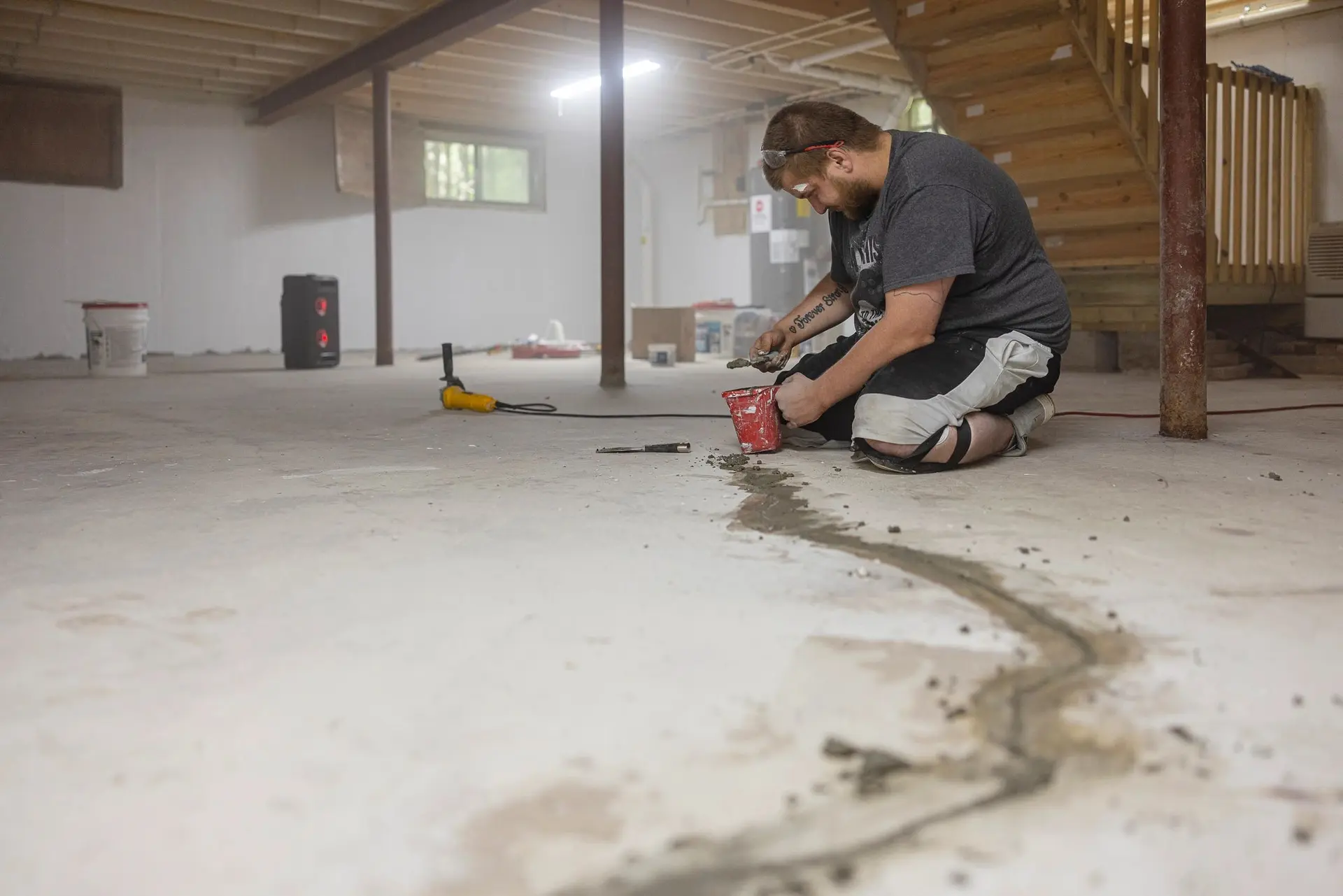
- Seal cracks early using polyurethane or epoxy injection methods
- Monitor humidity levels and use a dehumidifier if needed Catching these issues early protects not only your basement’s integrity but also your home’s overall value and safety.
Keep Your Concrete Basement Dry: Smart Maintenance and Repair Strategies
A concrete basement is a critical component of your home’s structural integrity, but without proper upkeep, moisture intrusion and cracking can lead to serious issues—especially in regions with freeze-thaw cycles and high groundwater levels. Proactive maintenance is key to preventing costly damage and ensuring long-term performance. Start with annual inspections, focusing on walls, floors, and joints for signs of efflorescence, damp patches, or hairline cracks. Early detection allows for timely sealing and prevents water infiltration.
Sealing your basement walls with a high-quality masonry waterproofing compound helps block moisture vapor and minor seepage. For homes in clay-rich soils common across the Midwest, consider a crystalline waterproofing system that penetrates concrete and reacts with moisture to form water-blocking crystals. These are especially effective for basements with hydrostatic pressure issues.
Waterproofing goes beyond surface sealants—ensure your exterior grading slopes away from the foundation at a rate of 6 inches over 10 feet to redirect rainwater. Pair this with functional gutters and downspout extensions that discharge water at least 5 feet from the foundation.
When to call a professional? If you notice widening cracks (over 1/8 inch), bowing walls, persistent dampness, or efflorescence recurring after sealing, structural evaluation is essential. These signs may indicate foundation movement or excessive lateral pressure requiring expert intervention like carbon fiber straps, interior French drains, or exterior waterproofing membranes. Never ignore signs of water under the slab—this could signal deeper drainage issues best diagnosed with a site inspection. Regular care now prevents major repairs later.
Concrete Basement FAQs: Answering Your Top Concerns
How long do concrete basements typically last?
When properly constructed and maintained, a concrete basement can last 80 to 100 years or more. Durability hinges on factors like quality of the initial pour, moisture control, and soil conditions around the foundation. In regions with freeze-thaw cycles like northern Illinois, using air-entrained concrete and proper curing techniques enhances longevity by resisting cracking and spalling.
Are concrete basements cost-effective compared to other foundation types?
Yes, concrete basements offer strong value over time. While upfront costs may be higher than crawl spaces or slab-on-grade foundations, they provide usable living space, better energy efficiency, and increased home value. For homeowners in flood-prone or expansive soil areas, the added structural stability justifies the investment.
What type of insulation should be used in concrete basements?
Exterior rigid foam insulation (such as XPS or EPS) is widely recommended for below-grade applications. Applied during construction, it manages moisture and thermal bridging. Interior insulation—like spray foam or insulated concrete forms (ICFs)—also improves energy performance, particularly in retrofit scenarios. Always pair insulation with vapor barriers to prevent condensation.
Are concrete basements prone to cracking?
Minor shrinkage cracks are common in new pours and typically non-structural. However, larger cracks—especially those that are wider at one end or show vertical displacement—may indicate settling, hydrostatic pressure, or poor reinforcement. Regular inspection and timely sealing with polyurethane injections help mitigate water intrusion.
How can I prevent moisture and mold in a concrete basement?
Effective moisture control starts during construction with proper site grading, footing drains, and waterproofing membranes. After completion, maintain interior humidity below 60% using dehumidifiers, ensure sump pumps are operational, and verify gutters and downspouts direct water at least 10 feet from the foundation.
Do I need a French drain with my concrete basement?
In areas with high water tables or clay-rich soils, a French drain system is strongly advised. It relieves hydrostatic pressure by channeling groundwater away from the footing, reducing the risk of seepage and structural stress. Combined with a vapor barrier and proper backfill, it’s a key defense against long-term moisture issues.
Protect Your Investment: The Lasting Value of Smart Concrete Basement Practices
A well-constructed concrete basement is more than just a foundation—it's a critical component of your property’s structural integrity, moisture control, and long-term value. As we've explored, proper installation techniques, including site preparation, reinforcement, vapor barriers, and strategic placement of expansion joints, are essential to preventing cracks, settling, and water intrusion. Just as important is ongoing maintenance: monitoring for efflorescence, checking sump pump functionality, and ensuring exterior grading and gutter systems direct water away from the foundation.
In regions with freeze-thaw cycles and heavy precipitation, these practices are not optional—they’re necessary for durability. Small oversights during construction can lead to expensive repairs down the line, from bowed walls to mold remediation. By prioritizing quality workmanship and routine inspections, homeowners protect not only their basements but their entire living environment.
If you're building new or assessing an existing basement, take action now: evaluate drainage around your home, inspect for cracks or moisture signs, and consider a professional evaluation if concerns arise. For lasting peace of mind, consult a qualified concrete contractor familiar with local soil conditions and building codes. Your basement supports everything above it—make sure it’s built and maintained to last.