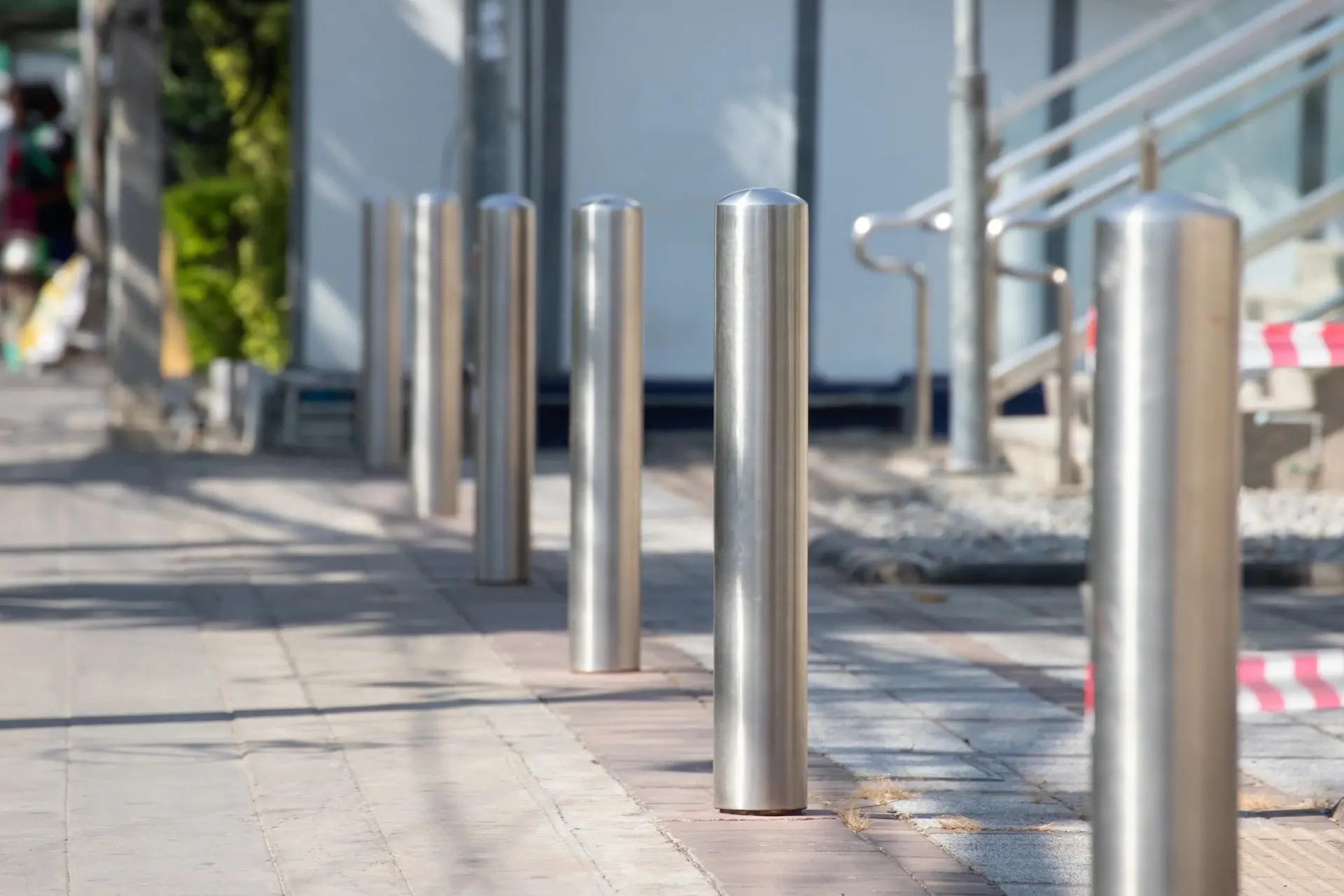
Unbreakable Protection Meets Lasting Curb Appeal
When it comes to securing property boundaries, managing traffic flow, and enhancing site aesthetics, concrete bollard posts have become the go-to solution for commercial, industrial, and high-traffic residential zones across the Midwest. These sturdy, above-grade barriers are purpose-built to withstand heavy impacts while delivering long-term performance with minimal upkeep—making them a smart investment for property managers, city planners, and facility owners in regions prone to harsh weather and frequent vehicle activity.
Unlike metal or plastic alternatives that corrode, dent, or degrade under UV exposure, concrete bollards offer unmatched durability and weather resistance. Whether installed along sidewalks in downtown Naperville, protecting storefronts in Aurora, or lining driveways in Schaumburg, they maintain structural integrity season after season, even in areas with aggressive freeze-thaw cycles and high soil moisture.
Beyond safety, concrete bollards significantly contribute to site design and landscaping aesthetics. Available in a variety of finishes—including stamped, stained, or form-liner textures—they can be customized to complement surrounding hardscapes, matching the look of nearby walkways, plazas, or building facades.
In this guide, you’ll learn how concrete bollards defend against vehicle intrusion, reduce liability risks, support ADA-compliant access routes, and enhance visual appeal—all while requiring little more than periodic cleaning and inspection. Discover why so many property owners are choosing concrete for smarter, safer site planning.
Inside the Structure: Key Components and Materials of Durable Concrete Bollard Posts
Concrete bollard posts are engineered for both resilience and visual appeal, combining strength-focused materials with design flexibility. At the core, precast concrete is the preferred material due to its consistency, durability, and ability to be molded into customized shapes and textures. Most high-performance bollards use a high-strength concrete mix, typically rated at 4,000 to 5,000 psi, ensuring resistance to cracking, weathering, and impact—especially important in high-traffic areas across urban centers like Naperville and Schaumburg.
To enhance structural integrity, steel reinforcement is critical. Rebar cages, usually made from #3 or #4 grade steel, are embedded vertically and horizontally within the mold before pouring. These reinforcements prevent tensile failure under lateral forces, such as vehicle contact, and are strategically positioned using spacers to maintain full concrete coverage. In applications demanding superior impact resistance, welded wire fabric (WWF) or fiber-reinforced concrete with polypropylene or steel fibers is integrated into the mix to minimize shrinkage cracks and boost overall toughness.
The curing process is equally important—controlled curing in a precast facility ensures optimal hydration, reducing porosity and increasing longevity, particularly in Northern Illinois’ freeze-thaw climate. Many bollards also feature architectural finishes, such as exposed aggregate, acid staining, or form liners, blending safety with aesthetic appeal for commercial plazas, retail centers, and municipal projects.
Mastering Installation: A Step-by-Step Guide to Setting Concrete Bollard Posts
Installing concrete bollard posts correctly ensures both long-term durability and optimal safety performance. Whether you're securing a commercial lot in Naperville or enhancing pedestrian pathways in Schaumburg, proper installation is key to resisting impact, weather, and shifting soils.
- Mark and Verify Layout
Use string lines and batter boards to outline post positions accurately. Double-check spacing—typically 4 to 6 feet on center—to align with traffic control or aesthetic plans. Confirm clearances from underground utilities before proceeding. - Excavate to Proper Depth
Dig holes at least 1/3 the height of the bollard, with a minimum depth of 36 inches in Northern Illinois due to frost line requirements. For 48-inch bollards, aim for 18-inch diameter holes extending 36–42 inches deep. - Prepare the Base
Add 6 inches of compacted gravel to each hole for drainage and to prevent frost heave. Use a plate compactor to ensure a solid, level base. - Set and Brace the Bollard
Position the bollard centrally in the hole. Use wood braces and temporary stakes to hold it plumb in two directions. Check alignment frequently with a level. - Pour Concrete in Stages
Fill around the bollard with ready-mix or site-poured concrete, vibrating or tamping between layers to eliminate air pockets. Slope the top slightly away from the post to shed water. - Cure for Strength
Allow at least 7 days of moist curing—cover tops with plastic to retain moisture—before removing braces or exposing to full traffic. Proper depth, alignment, and curing ensure your bollards remain steadfast and safe year-round.
Material Matters: Why Concrete Reigns Supreme in Bollard Performance
When securing commercial lots, pedestrian zones, or municipal infrastructure in regions prone to harsh weather and heavy traffic—like the Chicagoland area—choosing the right bollard material is critical. While steel, plastic, and composite options exist, concrete bollards consistently outperform alternatives in durability, safety, and long-term value. Understanding the key differences helps property managers and designers make informed decisions that balance aesthetics with resilience.
- Longevity: Concrete bollards last decades with minimal maintenance, resisting UV degradation, rust, and corrosion—issues that plague steel and plastic units over time. In freeze-thaw environments like Northern Illinois, high-density concrete maintains integrity where other materials spall or crack.
- Impact Resistance: Engineered to absorb and deflect force, concrete bollards provide superior protection against vehicle creep and accidental collisions. Unlike plastic bollards, which may shatter or deform, concrete’s mass ensures stability under repeated stress.
- Total Cost of Ownership: While initial costs may be comparable, concrete’s minimal maintenance and near-zero replacement needs significantly reduce lifetime expenses. Steel bollards often require recoating or rust repair, while plastic models may need frequent replacement in high-traffic zones.
- Aesthetic Flexibility: Modern concrete bollards can be stamped, colored, or textured to blend with surrounding hardscapes—ideal for upscale retail or historic districts in Naperville or Oak Brook. For facilities prioritizing safety, longevity, and cost-efficiency, concrete offers a measurable advantage over alternative materials in both urban and suburban applications.
7 Key Applications for Concrete Bollard Posts: Where Safety Meets Design
Concrete bollard posts are more than just durable street fixtures—they’re versatile solutions that enhance safety and elevate aesthetics in both urban and suburban environments. Understanding where and why they’re used helps property owners and planners make smarter, long-term decisions for site security and visual appeal.
- Parking Lot Protection
Strategically placed concrete bollards shield building corners, utility meters, and storefronts from vehicle impact in high-traffic parking lots. In commercial zones across the Midwest, they prevent costly damage from drifting cars, especially in icy winter conditions where traction is unpredictable. - Pedestrian Zone Safety
Used in sidewalks, plazas, and crosswalks, bollards create reliable barriers between foot traffic and roadways. In downtown districts like those in Naperville or Aurora, they ensure pedestrian corridors remain safe and clearly defined. - Building Perimeter Security
High-impact concrete bollards serve as a first line of defense against unauthorized vehicle access near government buildings, banks, and corporate campuses. Their mass provides passive resistance to collision, meeting safety standards without sacrificing architectural style. - Landscape Beautification
Decorative bollards add structure and charm to gardens, parks, and residential entries. Cast with texture or color-matched to complement hardscapes, they function as both boundary markers and design elements in Midwestern landscaping projects. - Loading Dock Guarding
Warehouses and retail centers use bollards to protect loading docks from truck overruns. Their durability withstands repeated contact, reducing repair costs and downtime in active distribution areas. - Staircase and Railing Support
Integrated into stairwell designs, concrete bollards act as anchor points for handrails and visual stops, enhancing ADA compliance and wayfinding in public buildings. - Traffic Calming in Residential Areas
In neighborhoods across Northern Illinois, bollards are used to close streets to through-traffic while allowing pedestrian passage. They support slower, safer driving without altering existing paving.
Concrete Bollard Maintenance & Compliance: Your Top FAQs Answered
How often should concrete bollards be inspected for damage?
Regular inspections—at least twice a year—are critical to maintaining structural integrity and appearance. Look for surface spalling, cracks, or leaning caused by vehicle impacts or freeze-thaw cycles, especially in regions like Northern Illinois. Early detection allows for minor repairs before full replacement becomes necessary, preserving safety and aesthetics in commercial zones, parking lots, and pedestrian walkways.
Can existing concrete bollards be retrofitted with lighting or protective sleeves?
Yes—many property owners upgrade older bollards with LED cap lights or stainless steel guards to improve visibility and impact resistance. Retrofitting is cost-effective and extends bollard life, particularly in high-traffic urban areas. Be sure the bollard’s internal structure can support added fixtures, and use waterproof wiring connections for durable performance in wet climates.
Is lighting integration possible with standard concrete bollards?
Absolutely. Integrated low-voltage LED systems can be embedded during manufacturing or added post-installation. Solar-powered options are ideal for remote or municipal applications where trenching for electrical lines isn’t feasible. Properly lit bollards enhance nighttime safety in driveways, parking garages, and city sidewalks.
Do concrete bollards need to comply with ADA and local traffic codes?
Yes. Bollards must meet Americans with Disabilities Act (ADA) standards for placement and spacing to ensure wheelchair access. Most codes require bollards to be spaced at least 4 feet apart and set back from curb lines to avoid obstructing pathways. Always verify requirements with your local authority having jurisdiction (AHJ), especially in municipalities across DuPage or Cook County.
What’s the best way to repair a cracked or damaged concrete bollard?
Minor cracks can be sealed with polymer-modified cementitious grout to prevent moisture intrusion and rebar corrosion. For severe damage, consider installing a new bollard with enhanced mix design or fiber reinforcement for improved durability, particularly in areas prone to de-icing salts and heavy winter conditions.
Long-Term Protection Meets Design Freedom with Concrete Bollard Posts
Concrete bollard posts deliver unmatched durability and adaptability for both commercial and residential properties seeking reliable security without sacrificing aesthetics. Engineered to withstand high-impact forces, these robust barriers protect buildings, utilities, and pedestrian zones from accidental or intentional vehicle intrusion—making them ideal for storefronts in busy downtown areas, apartment complexes in the Midwest, and private driveways across suburban neighborhoods. Their structural integrity remains stable through extreme weather, including freeze-thaw cycles common in Northern Illinois, ensuring lasting performance with minimal maintenance.
Beyond safety, concrete bollards offer remarkable design versatility. They can be customized in shape, height, and finish to complement modern, traditional, or industrial architectural styles. Choose from smooth, textured, or form-liner surfaces, and integrate decorative caps, lighting elements, or color integrally mixed into the concrete for cohesive branding or landscape integration. Whether you're securing a parking lot entrance in Naperville or enhancing curb appeal along a walkway in Schaumburg, these posts blend functionality with visual appeal.
To maximize value, ensure proper installation by setting bollards on solid footings below frost depth and aligning placement with traffic flow and ADA compliance. For best results, consult a qualified contractor familiar with local code requirements. Invest in concrete bollards today to protect your property, guide traffic safely, and elevate your site’s appearance for years to come.