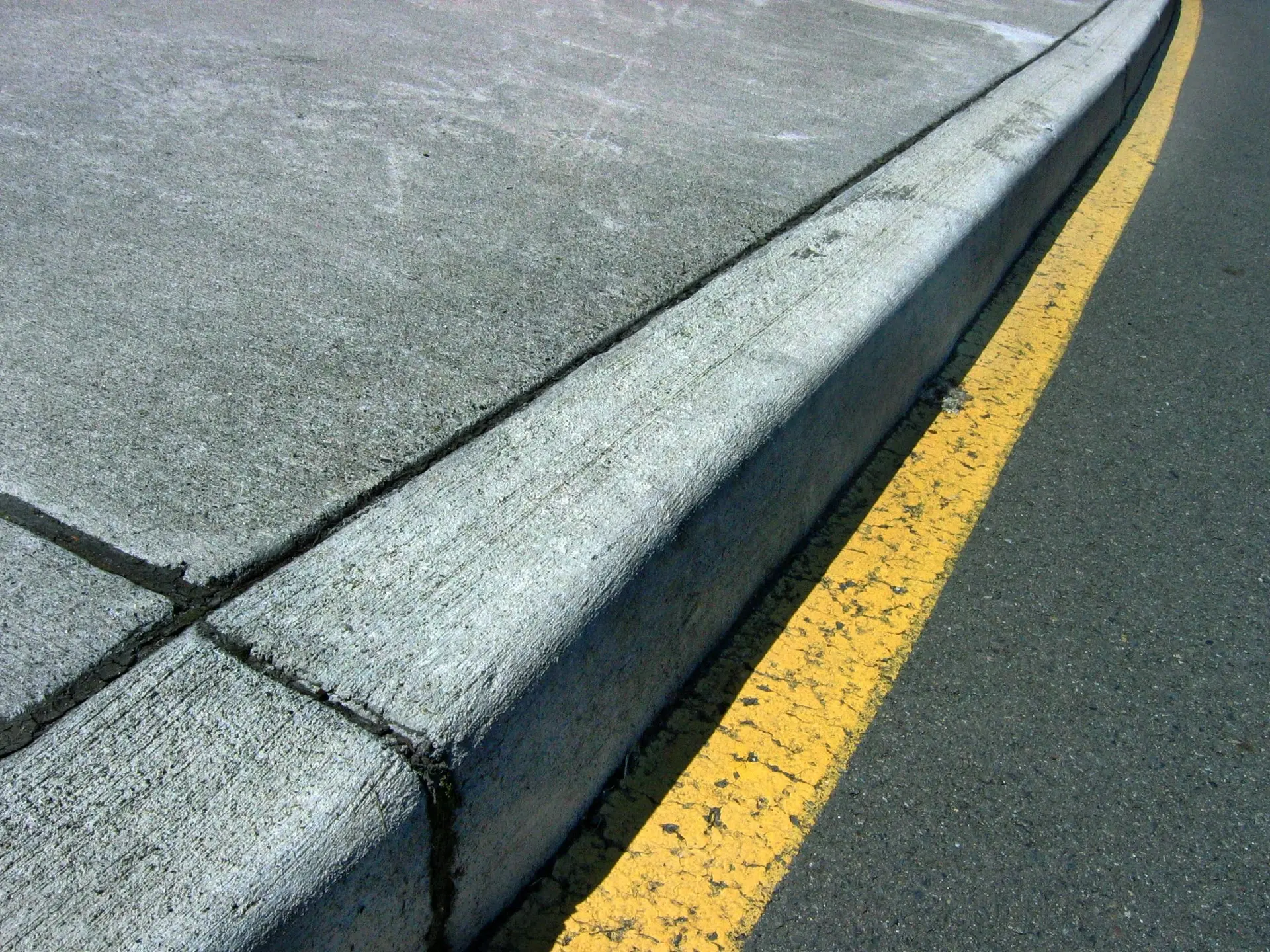
Laying the Foundation: Understand the Role of Concrete Curbs
Concrete curbs serve as essential elements in both landscaping and urban design, defining spaces while bolstering structural integrity. Whether you're outlining a residential garden or organizing city streets, proper curb construction and maintenance ensure functional, attractive, and safe environments. This introductory guide will help you grasp why concrete curbs are indispensable to modern design layouts.
In this section, you will learn:
- How curbs enhance drainage and prevent soil erosion in outdoor spaces.
- The role they play in demarcating pedestrian areas and roadways in urban settings.
- Practical insights on selecting materials and techniques that suit your local climate and design needs. Concrete curbs not only provide aesthetic boundaries but also contribute to the overall stability of paved surfaces. As cities expand and green spaces become more refined, understanding the fundamental benefits of these structures can lead to better planning and improved long-term performance. Embrace this guide as a stepping stone to mastering the art and science of curb installation, ensuring that every project stands the test of time while enhancing your community’s visual and functional landscape.
Mastering Your Concrete Curb Installation
Enhance your project with expertly installed concrete curbs by following this step-by-step guide. Whether you're updating a sidewalk or designing a new landscape feature, this comprehensive tutorial outlines every detail for a flawless installation.
- Prepare the Site
- Clear the area of debris and vegetation. Ensure the surface is level by using a tamper or compactor.
- Mark the layout with stakes and string to define precise curb lines.
- Gather Essential Tools and Materials
- Collect quality concrete mix, form boards, and reinforcing mesh.
- Equip yourself with shovels, levels, trowels, and safety gear.
- Construct the Formwork
- Secure the form boards firmly along the marked lines to prevent shifting during pouring.
- Use a level to confirm the boards are aligned with local grading standards.
- Pour and Shape the Concrete
- Mix the concrete to the right consistency and pour into the formwork evenly.
- Smooth the surface with a trowel and use edging tools to achieve crisp, clean lines. Tip: Allow adequate curing time in moderate weather conditions to ensure maximum strength and durability for enduring curb performance.
Transforming Spaces with Innovative Curb Designs
Concrete curbs come in various styles that balance aesthetics, functionality, and durability, making them essential in both urban and suburban landscapes. When selecting curb types, understanding their diverse applications is crucial for successful project outcomes. For instance, traditional guttered curbs channel stormwater effectively, ideal for downtown areas where efficient drainage is a priority. In contrast, barrier curbs serve as a protective edge, preventing vehicles from encroaching on pedestrian zones and landscaped medians.
Integrating decorative curbs can enhance local curb appeal by adding texture and artistic flair to walkways and neighborhood streets. These designs not only elevate community aesthetics but also blend seamlessly with regional architectural themes. Additionally, modular and precast curbs offer a quick installation solution, making them perfect for municipalities and commercial complexes aiming for sustainability and durability.
Key advantages of various concrete curb types include:
- Enhanced drainage management
- Improved safety for pedestrians and vehicles
- Aesthetic improvements that complement local environments By selecting the right curb design tailored to specific environmental challenges and local conditions, property owners can ensure longevity, safety, and style in their outdoor spaces.
Curb Care Essentials: Tips for Long-Lasting Durability
Maintaining concrete curbs isn’t just about aesthetics—it’s a smart way to secure your investment over the long haul. Regular upkeep can prevent small issues from turning into expensive repairs. Start with a routine inspection to catch early signs of wear, such as hairline cracks or surface erosion. Keeping these surfaces in optimal condition is crucial, especially in regions with fluctuating weather patterns.
Here are some proven strategies to boost curb longevity:
- Routine Cleaning: Remove debris and dirt with a pressure washer or a stiff broom, ensuring contaminants don’t settle into cracks.
- Sealant Check: Periodically assess the condition of any applied sealant and reapply if you notice faded areas or signs of weathering, targeting both moisture and UV damage.
- Crack Repair: Use appropriate patching compounds to fill in small cracks immediately. Preventing water infiltration is essential to avoid further damage.
- Protective Measures: Consider reinforcing stress-prone areas with an extra coat of sealant during extreme weather seasons, whether in urban regions or suburban areas. Implementing these maintenance tips not only enhances the curb's visual appeal but also preserves its structural integrity, offering residents and businesses an enduring solution to everyday wear and tear.
Frequently Asked Questions
What are concrete curbs used for?
Concrete curbs define boundaries, improve drainage, and enhance safety on sidewalks, driveways, and curbsides. They serve as both a guide and a barrier against vehicles and pedestrians in busy urban and suburban areas.
How is proper curb installation achieved?
Ensuring proper installation involves careful site preparation, precise forming, and consistent curing practices. Using quality materials and paying attention to local environmental conditions helps secure a durable curb structure.
What maintenance practices are recommended?
Regular inspections and prompt repairs are key. Clean the curbs routinely, and address cracks or chips immediately to prevent further deterioration. Periodic resealing can also help protect the surface from weather-related damage.
How can common installation issues be prevented?
Prevent issues by prioritizing proper base preparation, using weather-appropriate mixes, and ensuring correct alignment. Checking for moisture or debris before pouring concrete can greatly reduce potential problems.
Can local weather affect curb performance?
Yes, regions with extreme temperature fluctuations or heavy rainfall may experience quicker wear. In such areas, proactive maintenance and choosing appropriate materials are crucial for long-lasting results.
What cost-effective measures can be taken?
Invest in quality products and periodic maintenance to avoid expensive repairs later. Regular care ensures that concrete curbs remain both functional and visually appealing over time.
Elevate Urban Aesthetics and Functionality with Concrete Curbs
Concrete curbs serve as a cornerstone for urban and residential spaces, blending practicality with visual appeal. Their robust design not only defines property boundaries but also enhances safety by providing clear separation between pedestrian walkways and busy roadways. In addition to their structural benefits, concrete curbs play a vital role in water management by channeling runoff and mitigating flooding risks, making them an indispensable component in modern city planning.
Key benefits include:
- Enhanced Durability: Concrete curbs withstand heavy traffic and environmental stressors, ensuring longevity even under challenging conditions.
- Improved Safety: Their defined edges assist drivers and pedestrians alike in navigating transitions, reducing accident risks.
- Aesthetic Appeal: With clean lines and a versatile finish, they seamlessly complement various architectural styles, from contemporary urban developments to classic residential neighborhoods.
- Low Maintenance: Resistant to weathering and wear, these curbs demand minimal upkeep, providing a cost-effective solution over time. For areas experiencing rapid urban growth or in regions with variable climates, concrete curbs offer a practical, reliable solution that supports both functionality and curbside charm.
Cementing Your Success
As you wrap up your exploration into the vital aspects of concrete curb installation and maintenance, it’s clear that a proactive approach is key. Proper preparation, accurate measurements, and high-quality materials lay the foundation for durable, aesthetically pleasing curbs. Keeping a routine maintenance schedule ensures that these installations continue to perform well over time, preventing potential issues before they escalate.
Key takeaways include:
- Thorough Surface Preparation: Clean and inspect all work areas to guarantee strong adhesion and longevity.
- Precision in Installation: Accurate leveling and curing techniques help in achieving a uniform surface.
- Consistent Maintenance: Regular inspections and timely repairs are essential to extend the lifespan of concrete curbs, especially in regions with variable weather conditions. Next steps involve reevaluating your current processes, testing small sections before full installation, and incorporating locally-sourced materials suited to your regional climate. Follow these practical tips and keep refining your methods to achieve optimal results. Embrace these guidelines confidently and take action now to ensure that your concrete projects remain robust, attractive, and built to last.