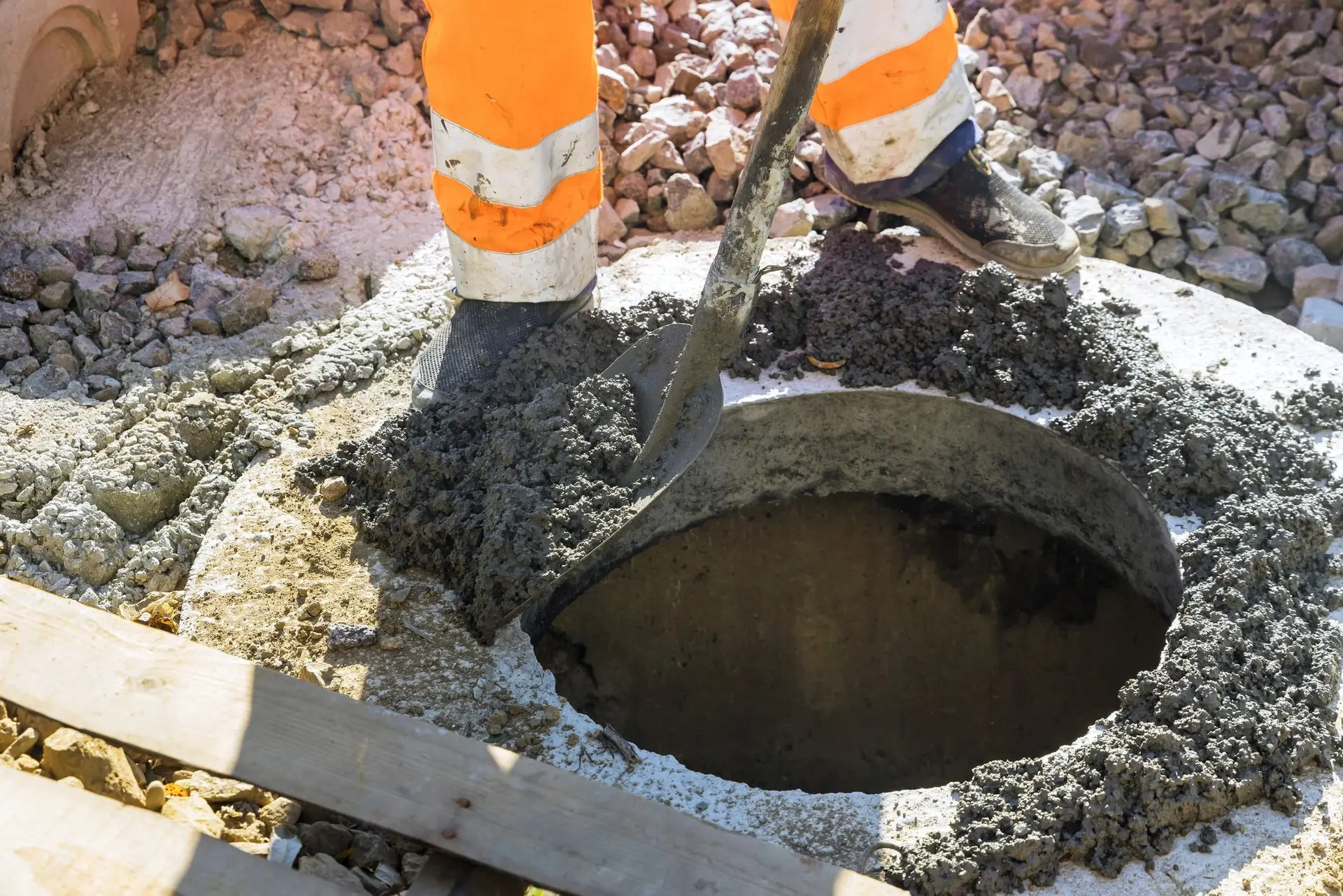
Why Concrete Drains Are Essential in Modern Construction
From residential driveways to commercial plazas in Naperville, Aurora, and across the Midwest, concrete drains play a silent but critical role in protecting properties from water damage. These unassuming systems are engineered to efficiently channel stormwater away from foundations, preventing erosion, pooling, and structural deterioration—common issues in regions with heavy rainfall and frequent freeze-thaw cycles. Built from durable, weather-resistant concrete, they withstand extreme conditions without warping or degrading, unlike plastic or metal alternatives.
Concrete drains come in various forms, including trench drains, catch basins, and channel systems, each designed to manage surface water in high-traffic or low-lying areas. Properly installed, they integrate seamlessly into landscapes and hardscapes, maintaining both functionality and aesthetic appeal. You’ll learn how key features like slope grading, joint placement, and rebar reinforcement contribute to long-term performance. We’ll also cover essential maintenance practices such as debris removal, sealing, and crack repair—simple steps that prevent costly repairs down the line.
Understanding the function and care of concrete drains empowers property owners to protect their investment, enhance drainage efficiency, and comply with local stormwater management standards—keeping homes and businesses safe, dry, and durable year after year.
Shielding Your Property: How Concrete Drains Manage Water and Prevent Damage
In regions prone to heavy rainfall, snowmelt, and freeze-thaw cycles—like Naperville, Aurora, and surrounding Midwest communities—water management is critical to preserving property integrity. Concrete drains play a vital role in directing runoff away from foundations, preventing erosion, and minimizing the risk of basement flooding. Unlike temporary or less durable alternatives, concrete drainage systems offer long-term, low-maintenance protection against water-related structural issues.
These systems are engineered to handle high-volume flow during spring thaws or intense storm events. Installed with proper slope and connected to downspouts or grading networks, concrete drains efficiently channel water across driveways, sidewalks, and landscape areas without washing out soil or damaging hardscapes. Their rigid construction resists shifting, making them ideal for use near load-bearing structures.
To maximize performance:
- Ensure drains slope at a minimum of 1/4 inch per foot to promote consistent water movement
- Install catch basins at low points to collect runoff before it reaches the foundation
- Use reinforced concrete for heavy-traffic zones to prevent cracking under pressure
- Pair with gravel backfill and permeable landscape fabric to reduce clogging from sediment Regular inspection and clearing of debris like leaves, silt, and ice buildup help maintain optimal flow. In colder climates, sealing joints and avoiding harsh deicers preserves the system’s longevity. By integrating concrete drains into your property’s design, you enhance both safety and structural resilience—keeping water where it belongs: far from your foundation.
Mastering the Installation: Your Step-by-Step Guide to Building Concrete Drains
Installing concrete drains properly ensures long-lasting performance, especially in areas prone to heavy rainfall and freeze-thaw cycles like Naperville, Aurora, and throughout the Midwest. Follow this proven sequence to achieve effective water management and structural integrity.
- Mark and Excavate the Drain Route
Use stakes and string to outline the drain path, ensuring a continuous slope of at least 1/4 inch per foot for optimal flow. Excavate to a depth of 12–18 inches, widening the trench by 6 inches beyond the drain width to accommodate forms and base material. - Prepare the Sub-Base
Lay a 6-inch layer of compacted gravel, tamping it thoroughly to prevent future settling. Add a 1-inch bed of sand or stone dust on top to create a smooth, level surface—critical for consistent drainage performance. - Set Forms and Reinforce Structure
Install durable wooden or aluminum forms secured with stakes every 2 feet. Position rebar or welded wire mesh in the center of the planned pour to reinforce against cracking caused by ground movement or temperature shifts. - Pour, Slope, and Finish the Concrete
Pour high-strength concrete in one continuous pass. Use a screed board to level the surface and ensure consistent grading. Float the slab smooth, then add a broom finish to enhance traction in wet conditions. - Cure and Protect
Keep the concrete moist for at least 7 days using curing compounds or plastic sheeting. Proper curing strengthens resistance to water infiltration and winter damage—key for durability in Northern Illinois climates.
Keep Water Flowing Smoothly: Essential Maintenance for Long-Lasting Concrete Drains
Concrete drains play a critical role in managing stormwater and protecting properties across Naperville, Aurora, and the broader Midwest region. To ensure they continue functioning efficiently for decades, a consistent maintenance routine is key. Neglecting simple care steps can lead to clogs, structural degradation, and costly repairs—especially in areas with heavy precipitation and freeze-thaw cycles.
Start with routine cleaning. Remove debris like leaves, soil, and organic buildup at least twice per year, or more frequently after storms. Use a stiff-bristled broom or pressure washer to clear the drain channel and prevent blockages that restrict water flow. Avoid harsh chemical cleaners; opt for neutral pH detergents to preserve the concrete surface.
Inspect regularly for signs of deterioration—cracks, spalling, or uneven settling. Pay special attention to joints and connections where movement is most likely. These early warning signs, if caught promptly, can prevent larger structural issues.
When damage occurs, repair strategically. Fill small cracks with flexible, waterproof caulk to stop water infiltration. For larger damage, patch with polymer-modified concrete mortar to ensure compatibility and durability. Resloping or replacing sections may be needed if drainage efficiency is compromised.
Finally, prevent future issues by ensuring surrounding soil is properly graded and vegetation is trimmed back. Keeping your concrete drains well-maintained not only extends lifespan but also enhances site safety and compliance with local drainage regulations.
Watch for These Warning Signs: Common Concrete Drain Issues and How to Fix Them
Concrete drains are essential for managing stormwater and protecting foundations, especially in areas with heavy rainfall or freeze-thaw cycles like Naperville and Aurora. Over time, even the most durable systems can develop problems that compromise their effectiveness. Recognizing early signs of trouble—such as clogging, cracking, or settling—can prevent costly damage and maintain proper drainage performance.
Clogging is one of the most frequent issues, often caused by accumulated debris, sediment, or tree roots infiltrating joints or inlet openings. A slow-draining or overflowing channel after rain is a clear indicator. Regular inspection and cleaning—removing leaves, sediment, and organic buildup—can keep flow paths clear. Installing gravel filters or channel guards can also reduce material entry.
Cracking typically results from thermal movement, ground pressure, or poor installation practices. While minor hairline cracks may be cosmetic, wider fissures can allow water to bypass the system, leading to erosion or freeze damage. Repair cracks promptly using a mortar-based patching compound rated for hydraulic conditions. For structural cracks, evaluate the surrounding base and consider professional restoration methods like epoxy injection.
Settling or shifting often stems from inadequate base compaction or soil erosion beneath the slab. This can create reverse slopes, pooling water, or trip hazards. If sections have dropped more than an inch, techniques like mudjacking or foam leveling can restore elevation with minimal disruption.
Prevent future issues by ensuring proper slope (minimum 1/4" per foot), maintaining expansion joints, and scheduling seasonal inspections—especially before and after winter.
Frequently Asked Questions About Concrete Drain Lifespan, Performance & System Integration
How long do concrete drains typically last?
With proper installation and maintenance, concrete drains can last 50 years or more, even in regions with extreme weather like Naperville and Aurora. Longevity depends on factors such as material quality, correct slope grading, reinforcement use, and protection from freeze-thaw cycles. Installing with control joints and ensuring solid sub-base compaction significantly reduces premature deterioration.
Are concrete drains effective in heavy rainfall areas?
Yes—when designed with adequate slope (minimum 1/4 inch per foot) and connected to larger stormwater systems, concrete drains efficiently manage large volumes of runoff. Their smooth interior finish and structural rigidity prevent deformation under pressure, making them ideal for managing stormwater in clay-heavy soils common across the Midwest.
Can concrete drains be combined with other drainage types?
Absolutely. Concrete channels integrate seamlessly with catch basins, French drains, and PVC piping systems. Using transition fittings and ensuring consistent elevation alignment maximizes flow efficiency and prevents clogs. This hybrid approach is often used in commercial and residential setups where water needs to be directed over long distances.
Do concrete drains require sealing or maintenance?
While inherently durable, applying a penetrating concrete sealer every 3–5 years helps resist surface spalling and staining, especially in areas exposed to deicing salts. Regular cleaning to remove debris, leaves, and sediment prevents blockages and maintains optimal water flow.
What causes cracking in concrete drain channels?
Cracks often result from poor curing, inadequate reinforcement, or ground movement due to expansive soils. Incorporating steel rebar, control joints, and proper expansion gaps during installation minimizes stress fractures. Addressing nearby tree roots or shifting soil improves long-term stability.
Can damaged concrete drains be repaired instead of replaced?
Yes—minor cracks or spalling can be patched with polymer-modified concrete repair compounds. For sections with structural damage, partial replacement or installing a concrete liner may restore function without full reconstruction. Always evaluate drainage patterns first to prevent recurring issues.
Are there design options for functional and aesthetically pleasing concrete drains?
Yes—options include exposed aggregate finishes, colored integral pigments, and custom coping edges that blend with hardscapes. These enhancements improve slip resistance and complement driveways, patios, and sidewalks across residential and commercial properties.
Protecting Your Property Starts Underground: The Lasting Impact of Proper Drain Care
Concrete drains play a critical role in preserving the structural integrity of homes and commercial properties—especially in regions like Naperville, Aurora, and across the Midwest where seasonal weather swings bring heavy rains, snowmelt, and freeze-thaw cycles. When properly installed and consistently maintained, these drainage systems channel water away from foundations, preventing erosion, pooling, and costly water damage. The foundation of effective drainage lies in correct slope grading, use of reinforced concrete, and strategic placement of expansion joints to accommodate ground movement.
Over time, even the best-installed drains can suffer from sediment buildup, cracking, or shifting due to soil expansion. That’s why proactive maintenance is non-negotiable. Clean out debris twice a year, inspect for cracks or misalignment after extreme weather, and ensure downspouts feed correctly into the system. Sealing exposed edges and joints helps resist moisture infiltration that leads to spalling in winter.
To maximize longevity:
- Confirm your drain slopes at least 1/4 inch per foot for efficient flow
- Clear leaves and sediment regularly to prevent clogs
- Re-seal joints every 2–3 years using flexible, weather-resistant caulk Ignoring minor issues can lead to major repairs down the line. By staying ahead of maintenance, you protect not just your drainage system, but your entire property’s foundation and landscape. For persistent problems, consult a qualified concrete professional familiar with local soil and climate conditions—your long-term peace of mind depends on it.