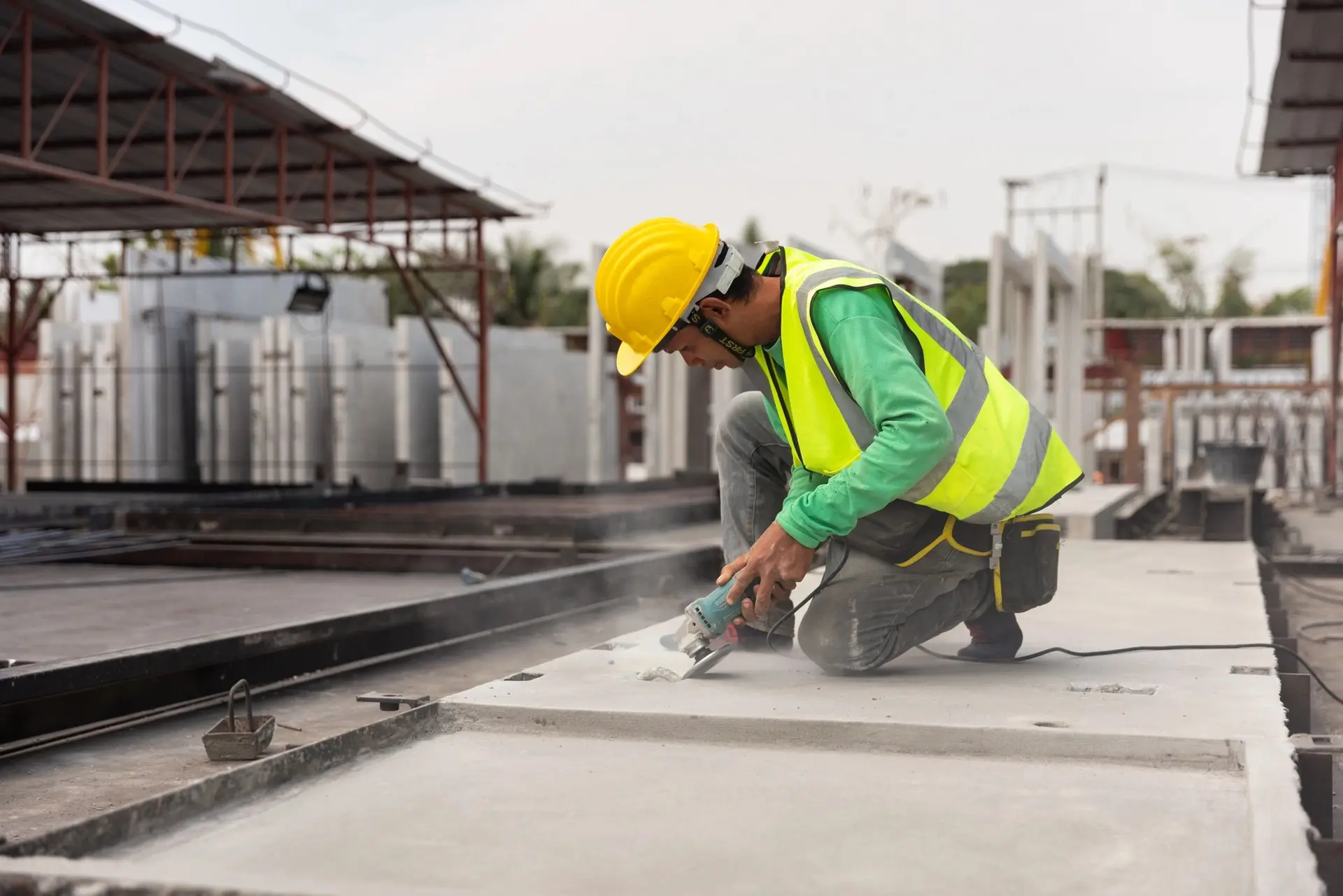
Smooth, Safe, and Solid: Why Concrete Grinding Matters for Every Property
Concrete grinding is a critical step in transforming rough, damaged, or uneven surfaces into smooth, durable, and visually appealing areas—whether it’s a residential driveway in Naperville, a backyard patio in Aurora, or an industrial floor in Schaumburg. Often misunderstood as merely a cosmetic fix, grinding actually plays a foundational role in surface preparation, repair, and long-term finishing. By using diamond-impregnated tooling and professional-grade equipment, concrete grinding removes imperfections like high spots, coating buildup, and minor cracks, creating a level substrate ready for polishing, sealing, or resurfacing.
In northern Illinois, where seasonal shifts cause concrete to expand and contract, minor irregularities can worsen over time, leading to trip hazards and water pooling. Grinding corrects these issues efficiently, improving both safety and longevity. It’s also essential when preparing floors for epoxy coatings or decorative finishes, ensuring maximum adhesion.
This guide will walk you through the concrete grinding process, common applications, equipment considerations, and best practices for achieving optimal results—helping you make informed decisions for lasting, high-performance concrete surfaces.
Master the Grind: A Step-by-Step Guide to Professional Concrete Surface Preparation
Achieving a smooth, even concrete surface begins with proper grinding techniques that balance efficiency and surface integrity. Whether you're preparing a porch in Naperville for sealing or resurfacing a garage floor in Schaumburg, following a structured process ensures optimal results without unnecessary damage.
- Assess and Prepare the Surface
Inspect for cracks, spalling, or previous coatings. Remove any adhesives, paint, or debris. Block off the work zone and ensure adequate ventilation, especially in enclosed areas. - Choose the Right Grinder and Diamond Segments
Use a planetary or hand-held walk-behind grinder with adjustable speed settings. Start with coarse-grit diamond segments (30–40 grit) for heavy material removal, then step down to finer grits (80–200+) for smoothing. - Set Up for Dust Control
Connect a HEPA-filtered vacuum system to minimize airborne silica dust—a critical safety step in residential and commercial zones across northern Illinois. - Begin Grinding with Overlapping Passes
Work section by section, moving the machine in straight, overlapping lines. Maintain consistent speed and even pressure to avoid gouging or swirl marks. - Progress Through Grits and Inspect Frequently
Switch to finer diamonds after each pass, cleaning the surface between stages. Check for uniformity and address high spots or trowel marks as needed. - Clean Up and Prepare for Finishing
Remove all dust residue with a damp mop or HEPA vacuum. A clean, open pore structure ensures better adhesion for sealers or coatings.
Unlock Lasting Value: 5 Key Benefits of Concrete Grinding for Property Owners
Concrete grinding isn’t just a repair tactic—it's a smart investment in surface longevity and performance for both homes and commercial buildings. Whether you’re managing a cracked driveway in Naperville or restoring a high-traffic lobby floor in Schaumburg, this precision process delivers measurable advantages. Here are the top five benefits every property owner should consider:
- Restores Uneven or Damaged Surfaces to Like-New Condition
Over time, concrete can settle, crack, or become uneven due to soil shifts or wear. Grinding levels the slab without full replacement, smoothing trip hazards and creating a uniform finish—ideal for patios, garage floors, and entryways. - Prepares the Surface for Polishing, Coating, or Sealing
A properly ground surface provides the ideal foundation for durable epoxy coatings or decorative finishes. Removing surface laitance, old adhesives, and imperfections ensures better adhesion, reducing peeling and delamination risks down the line. - Eliminates Stains, Glue Residue, and Surface Contaminants
Old carpet mastic, oil spots, or paint overspray can trap moisture and compromise new finishes. Concrete grinding strips away these layers, revealing a clean substrate that's ready for any upgrade or protection system. - Enhances Safety and Reduces Liability Risks
Uneven edges, spalling, or rough patches increase slip-and-fall hazards, especially in commercial properties. By smoothing transitions and removing sharp protrusions, grinding improves safety compliance and reduces potential liability. - Cost-Effective Alternative to Full Slab Replacement
Tearing out and repouring concrete is costly and disruptive. Grinding extends the life of existing slabs, saving time and materials while delivering a professional-grade result—perfect for property managers in northern Illinois looking to maximize ROI.
Fix Common Concrete Issues: Practical Applications of Grinding for Surface Perfection
Concrete grinding isn’t just about aesthetics—it’s a precision solution for addressing real-world surface problems that compromise safety, durability, and functionality. Whether you're maintaining a residential driveway in Naperville or a commercial warehouse floor in Aurora, this process delivers measurable improvements by correcting imperfections that develop over time.
One of the most critical uses of concrete grinding is eliminating trip hazards caused by uneven slabs. Over time, slabs can settle or heave due to soil movement or freeze-thaw cycles common in northern Illinois climates. Instead of costly replacements, grinding safely levels high spots along joints or edges, restoring a smooth, safe walking surface.
Grinding also removes stubborn surface contaminants like glue residues, paint splatter, or thin layers of stubborn coatings that can’t be stripped chemically. This makes it ideal for prepping floors for new epoxy applications or polished finishes.
Additionally, high spots from poor initial pouring or repairs can interfere with flooring installations. A precision grind creates a uniformly flat surface, ensuring seamless transitions for tiles, carpets, or industrial flooring systems.
Finally, grinding prepares concrete for overlays or protective sealers by opening the pore structure and removing laitance—a weak, dusty layer that inhibits adhesion. This step is crucial for long-lasting results on patios, garage floors, and sidewalk repairs across Chicagoland.
Got Questions? Your Concrete Grinding FAQs Answered
What tools are best for concrete grinding, and how do I choose the right one?
For most residential and commercial jobs, walk-behind floor grinders with diamond-impregnated pads are ideal. The size and grit of the diamond segments depend on the material removal needed—coarser grits (6–30) for heavy leveling or stain removal, finer grits (50+) for polishing. Handheld angle grinders work for small areas or edges but require more skill to avoid uneven surfaces.
How is dust controlled during concrete grinding?
Effective dust management is critical for health and cleanup. Modern grinders come with integrated vacuum ports that connect directly to HEPA-filtered shop vacuums. Always use a dust shroud and ensure a tight seal between the vacuum and tool. In enclosed spaces like garages or basements across northern Illinois, controlling airborne silica is essential for indoor air quality.
When should I attempt concrete grinding as a DIY project?
DIY grinding makes sense for small, isolated repairs—like smoothing a single trip-inducing slab edge in your Carol Stream driveway—using a rented hand grinder. However, large-scale leveling, stain removal, or prep for epoxy coatings usually requires professional-grade equipment and expertise to avoid damage.
How does concrete grinding compare to shot blasting or acid etching?
Grinding offers more precision than shot blasting, which can leave a rougher finish and requires containment. Unlike acid etching, which chemically weakens the surface and produces hazardous runoff, grinding creates a mechanically sound, contaminant-free profile ideal for adhesives and coatings.
What safety gear should I wear when grinding concrete?
Always wear a NIOSH-approved respirator, safety goggles, hearing protection, gloves, and long sleeves. Concrete dust is hazardous—especially in poorly ventilated areas—so proper PPE and dust extraction are non-negotiable.
Invest in Long-Term Results with Concrete Grinding
Concrete grinding isn’t just about surface-level aesthetics—it’s a smart, long-term maintenance strategy that extends slab life, enhances safety, and saves money over time. Unlike replacement or patching, grinding addresses surface flaws like uneven joints, minor spalling, and high spots without tearing up your existing concrete. This minimally invasive process prepares floors and pavements for sealing or coating, creating a level, smooth finish ideal for both residential driveways in Naperville and commercial warehouse floors across northern Illinois.
Key advantages include improved traction, removal of trip hazards, and restoration of stained or worn surfaces—especially important in high-traffic areas. Unlike aggressive methods, concrete grinding offers precise control, minimizing dust and disruption when performed with modern diamond grinding systems. When paired with regular cleaning and sealing, the results last for years, reducing future repair costs and maintaining structural integrity.
To get the most from concrete grinding:
- Address minor damage early before it escalates
- Clean and prep the surface thoroughly before grinding
- Apply a quality sealer afterward to protect against moisture and staining Whether you're maintaining a sidewalk in Carol Stream or upgrading an industrial floor in Aurora, investing in professional-grade concrete grinding is a cost-effective way to preserve your surfaces. Start a maintenance plan today and enjoy smoother, safer, and longer-lasting concrete for years to come.