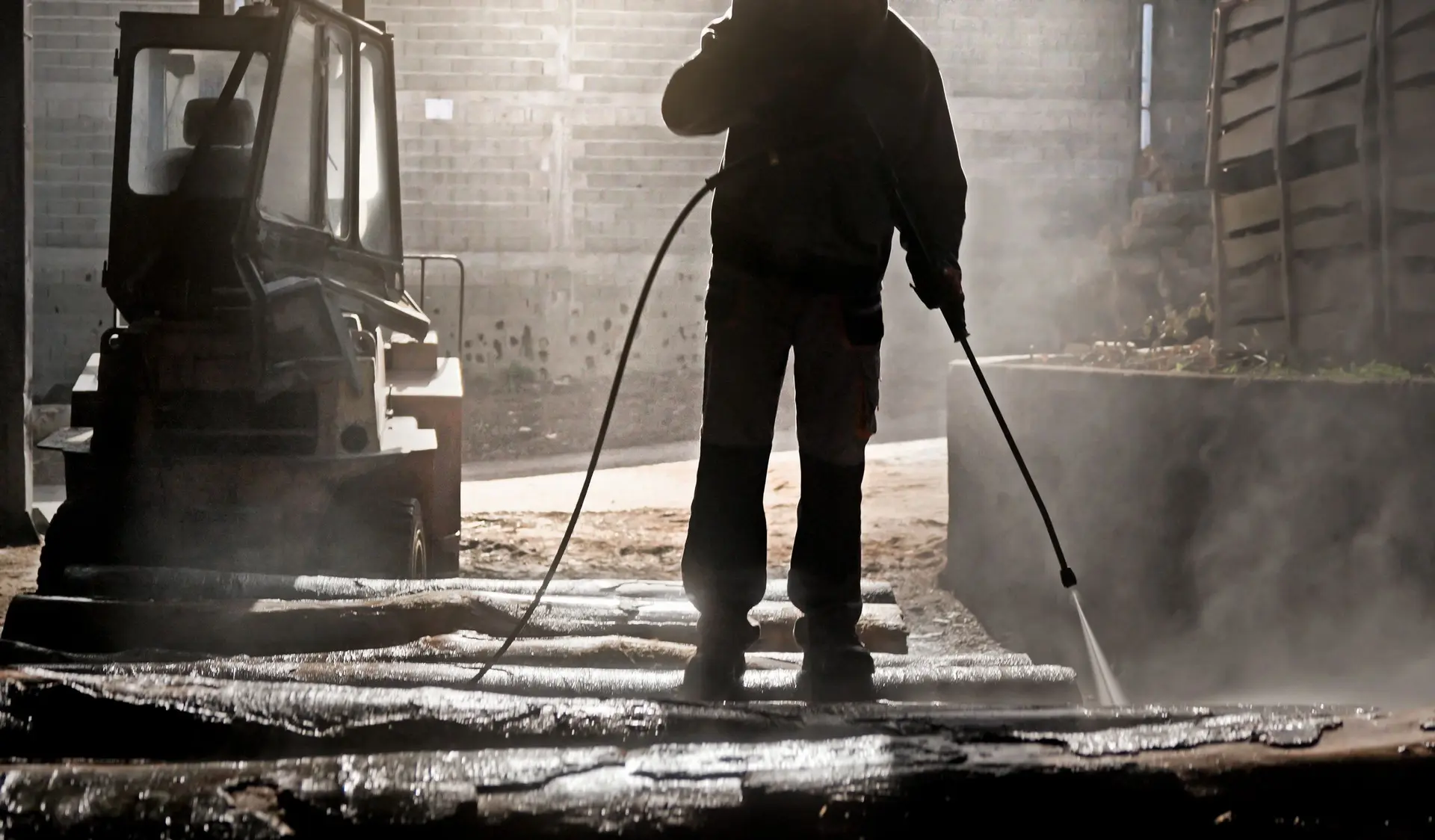
Revive Your Surfaces: Why Concrete Power Washing Is Essential
Over time, concrete surfaces around homes and businesses—like driveways, patios, and sidewalks—naturally accumulate dirt, oil stains, mold, and discoloration. These blemishes don’t just detract from curb appeal—they can signal deeper issues like moisture retention, surface erosion, or microbial growth. Concrete power washing isn’t just about aesthetics; it’s a vital maintenance step that extends the life of your hardscapes. In regions with fluctuating weather patterns such as northern Illinois, seasonal freeze-thaw cycles can magnify damage on uncleaned or improperly maintained concrete, leading to cracks and uneven settling.
Power washing removes deeply embedded contaminants using high-pressure water, restoring surfaces to near-new condition. This process also prepares concrete for sealing or coating, improving adhesion and long-term protection. A clean, well-maintained slab resists water penetration, reduces slip hazards, and prevents organic growth like algae and moss, especially in shaded or high-moisture areas.
In this guide, you’ll learn the best practices for effective concrete power washing, including pressure settings, nozzle types, timing, and safety measures. You’ll also discover how regular cleaning boosts property value and prevents costly repairs—whether you're maintaining a walkway in Carol Stream or a commercial patio in a nearby suburb. Keep reading to protect and enhance your concrete investment the right way.
Mastering the Technique: A Step-by-Step Approach to Safe and Effective Concrete Power Washing
Power washing concrete may seem straightforward, but improper technique can lead to surface damage, inefficient cleaning, and safety hazards. Following a structured process ensures optimal results while preserving the integrity of your hardscape.
- Inspect and Prepare the Surface
Begin by removing debris, furniture, and landscaping near the area. Identify any cracks, spalling, or weak spots—these can worsen under high pressure. Seal nearby windows, electrical outlets, and vegetation to prevent water intrusion. - Choose the Right Equipment
Use a gas-powered pressure washer with at least 3,000 PSI and 2.5 GPM for tough stains and sealed concrete. Electric models work for lighter jobs. Pair it with a 25-degree nozzle for general cleaning and a 15-degree for stubborn grime—avoid zero-degree tips, which can etch the surface. - Pre-Treat Stained Areas
Apply a concrete-specific cleaning solution to oil, rust, or mildew spots. Let it dwell for 5–10 minutes to break down contaminants. For organic growth, a mixture with sodium hypochlorite works effectively in shaded or damp zones common in northern Illinois yards. - Wash in Sections Using Consistent Motion
Start at the farthest point and work backward to avoid stepping on cleaned areas. Hold the wand at a 30-degree angle, 12–18 inches from the surface. Move in overlapping, side-to-side strokes, keeping steady pressure to prevent streaking or gouging. - Rinse and Evaluate
Switch to a wider spray pattern for a final rinse. Check for missed spots and re-treat if necessary. Allow the surface to dry fully before assessing results—this reveals any lingering issues. Pro Tip: For textured or stamped concrete, reduce pressure slightly and increase distance to avoid damaging the finish. Regular maintenance every 1–2 years keeps surfaces looking fresh and prevents buildup.
5 Powerful Benefits of Regular Concrete Power Washing for Lasting Results
Maintaining concrete surfaces isn’t just about curb appeal—it’s a smart strategy for protecting your property’s value and structural integrity. Regular power washing plays a vital role in extending the life and performance of driveways, patios, sidewalks, and more, especially in regions like northern Illinois that face seasonal weather extremes. Here are five key advantages of sticking to a consistent cleaning schedule:
- Extends Concrete Lifespan
Over time, dirt, moisture, and fungal growth can degrade concrete at the surface level. Routine power washing removes these damaging elements before they penetrate, reducing surface erosion and preventing pitting or spalling—particularly important in freeze-thaw environments where trapped water expands and cracks the slab. - Enhances Appearance and Cleanliness
Algae, mold, oil stains, and embedded grime make concrete look old and unsightly. A thorough power wash restores the original color and texture, giving driveways and walkways a freshly poured appearance with minimal effort. - Boosts Property Value
Well-maintained concrete contributes to strong first impressions. Whether prepping for a sale or improving your home’s aesthetic, clean surfaces signal care and attention to detail—key factors appraisers and buyers notice. - Prevents Slip Hazards
Moss and algae create slick surfaces, especially in shaded or damp areas. Regular cleaning eliminates these hazards, making pathways safer for families, guests, and service providers. - Reduces Long-Term Repair Costs
Catching minor staining or surface contamination early means fewer deep-clean treatments or costly repairs down the line. A simple annual wash helps you spot cracks or settling early, allowing for timely intervention.
Avoid Costly Errors: Key Mistakes to Sidestep When Power Washing Concrete
Power washing concrete can restore its original luster and eliminate built-up grime, but improper technique often leads to avoidable damage. Understanding the common pitfalls ensures a safe, effective cleaning process that prolongs the life of your concrete surfaces—whether it's a patio in Naperville or a driveway in Bolingbrook.
One of the most frequent mistakes is using excessive pressure. Although modern pressure washers can reach over 3,000 PSI, untreated concrete typically only tolerates 2,500–3,000 PSI, and even less for older or softer surfaces. High pressure can erode the top layer, exposing the aggregate and weakening the surface. Always begin at a lower setting and gradually increase only if necessary.
Improper nozzle selection is another issue. A 0-degree tip delivers a concentrated stream ideal for cutting through tough buildup but can easily gouge concrete. Opt for a 25- or 40-degree nozzle for general cleaning to distribute pressure evenly and reduce the risk of damage.
Neglecting pre-treatment is also a mistake. Applying a degreaser or concrete cleaner before washing helps break down oil stains, mildew, and dirt, reducing the need for aggressive pressure. Always allow cleaning solutions to dwell for the recommended time before rinsing.
Finally, skipping post-wash sealing leaves the surface vulnerable to future staining and moisture penetration. After the concrete dries completely, apply a high-quality sealer to protect against weathering, especially in regions with harsh winters and frequent freeze-thaw cycles.
Avoiding these errors ensures a clean, long-lasting finish without compromising the integrity of your concrete.
Concrete Power Washing FAQs: Answers to Your Most Pressing Questions
What equipment is best for concrete power washing?
Professional-grade pressure washers with 3,000 PSI or higher and a flow rate of 2.5 to 4.0 GPM are ideal for concrete. Use a surface cleaner attachment to prevent streaking and achieve uniform results. Gas-powered models offer more consistent performance than electric, especially for large surfaces like driveways or patios in areas with heavy tree cover or debris buildup.
How often should I power wash my concrete surfaces?
Residential concrete in climates like northern Illinois should be cleaned every 1–2 years. High-traffic areas or surfaces in shaded, moisture-prone locations may need annual cleaning to prevent mold, mildew, and algae growth. Commercial properties or driveways exposed to oil stains and seasonal salt residue often benefit from more frequent service.
Can power washing damage concrete?
Yes—especially with improper technique. Using a zero-degree nozzle or holding the wand too close can etch or spall the surface. Always use a 15- or 25-degree tip, maintain a consistent distance of 6–12 inches, and avoid focusing on one spot for too long. Older or spalled concrete requires lower PSI settings to prevent further deterioration.
Should I seal concrete after power washing?
Absolutely. Sealing within weeks of cleaning protects against water penetration, freeze-thaw damage, and surface staining. Choose a breathable, penetrating sealer suited for your region’s climate. This step is critical for stamped or decorative concrete around patios and walkways.
Is DIY power washing recommended for large surfaces?
While small projects are manageable, large areas like driveways or pool decks often require commercial equipment and experience to clean safely and effectively. Improper pressure settings or missed spots can lead to uneven appearance and long-term maintenance issues.
What about painted or stained concrete?
Use lower PSI (1,500–2,000) and test a small area first. Harsh cleaning can strip coatings, especially on older painted garage floors or colored stamped patios. Use a detergent formulated for delicate surfaces to preserve the finish while removing grime.
Do I need to worry about runoff and drainage?
Yes—especially in suburban areas with stormwater regulations. Be mindful of where water flows during cleaning; avoid directing dirty runoff into gardens, drains, or neighboring properties. Use containment methods when cleaning oil-stained driveways to prevent environmental contamination.
Protecting Your Property: The Lasting Impact of Regular Concrete Maintenance
Keeping concrete surfaces in top condition isn’t just about curb appeal—it’s a smart, long-term strategy for preserving property value and safety. Power washing plays a vital role in that maintenance routine, effectively removing built-up grime, mold, mildew, and surface stains that can degrade the material over time. In regions with freeze-thaw cycles like northern Illinois, trapped moisture in uncleaned concrete can lead to cracking and spalling, making regular cleaning even more critical. A clean surface allows homeowners and property managers to spot early signs of damage, such as shifting, joint wear, or erosion, enabling timely repairs before small issues become costly problems.
To get the most out of your concrete upkeep:
- Schedule power washing at least once a year, ideally in spring or fall
- Use proper pressure settings and nozzles to avoid surface etching
- Address oil stains or algae growth promptly to prevent slip hazards
- Inspect expansion joints and sealing integrity after cleaning Routine cleaning not only extends the life of driveways, patios, sidewalks, and foundations, but also enhances the overall look of outdoor living spaces. By incorporating power washing into a proactive maintenance plan, you protect both your investment and ensure safer, cleaner surfaces for everyday use. Start today—your concrete will thank you.