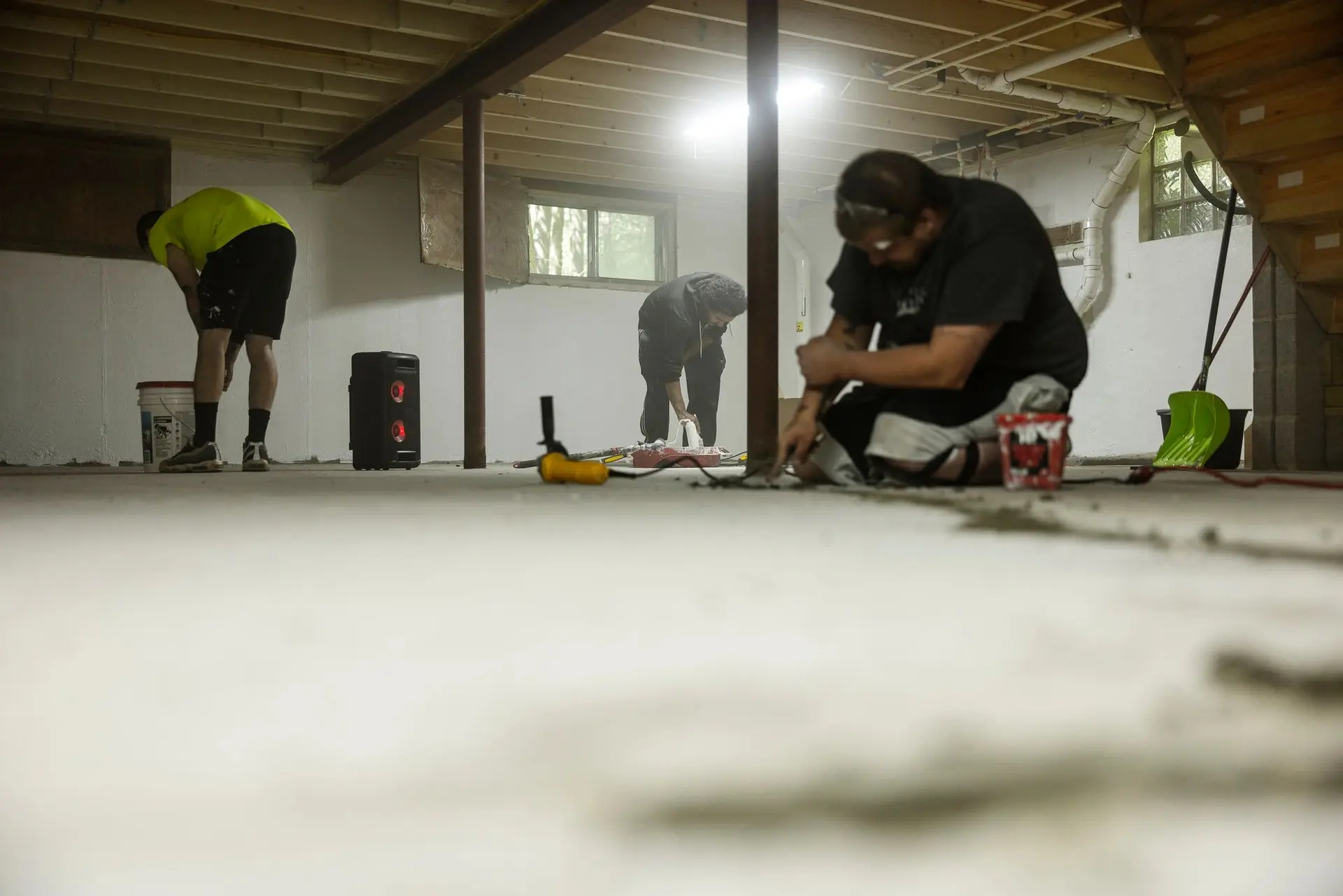
Why Your Concrete Deserves Smart Protection from Day One
Concrete is built to last—yet without proper care, even the most solid slab can degrade quickly due to moisture infiltration, freeze-thaw cycles, and chemical exposure. In regions like the Midwest, where weather extremes stress building materials year after year, sealing cement isn’t just maintenance—it’s a critical defense strategy. A properly sealed surface resists cracking, spalling, and staining, significantly extending the lifespan of driveways, patios, garage floors, and foundational slabs.
Sealing cement creates a protective barrier that minimizes water absorption, prevents chloride ions from penetrating (a major cause of rebar corrosion), and reduces surface scaling during winter months. This is especially vital in areas with heavy snowfall and frequent use of deicing salts. Beyond durability, sealed concrete maintains a cleaner, more polished appearance with less routine maintenance—saving both time and long-term repair costs.
In this guide, you’ll discover the science behind effective cement sealing, learn how to choose the right sealant for your climate and use case, and gain actionable tips for surface preparation and application. Whether you're managing residential outdoor surfaces or commercial concrete installations, understanding the fundamentals of sealing is the first step toward lasting performance.
The Science Behind Cement Sealants: How They Defend Against Damage
Understanding how cement sealants work is key to protecting concrete surfaces in both residential and commercial settings, especially in regions prone to freeze-thaw cycles, heavy rainfall, or high humidity like the Midwest. At a molecular level, quality sealants penetrate porous concrete to form a hydrophobic barrier that resists water absorption—this prevents moisture from seeping in and expanding during freezing temperatures, which is a leading cause of spalling and cracking. Unlike topical coatings that sit on the surface, penetrating sealers chemically react with minerals in the cement to create a permanent, durable defense.
These advanced formulations also guard against common threats such as oil stains, chemical spills, and UV degradation. By reducing surface porosity, sealants limit the ability of contaminants to embed into the concrete, making cleaning easier and prolonging the material’s appearance and structural integrity. For outdoor applications like driveways, patios, and sidewalks in areas like Naperville or Aurora, this protection is essential for maintaining curb appeal and avoiding costly repairs.
To get the best results:
- Apply sealants during optimal temperature ranges (typically 50–90°F)
- Ensure the concrete is fully cured and cleaned before application
- Reapply every 2–5 years depending on exposure and traffic Proper sealing isn’t just maintenance—it’s a proactive strategy to extend the life of any concrete installation.
Choosing the Right Sealer: A Breakdown of Acrylic, Epoxy, Polyurethane, and Penetrating Options
When it comes to protecting concrete surfaces in high-traffic areas like garage floors, driveways, and patios across the Midwest, selecting the right sealer is critical for long-term performance. Each type—acrylic, epoxy, polyurethane, and penetrating—offers distinct benefits, application methods, and durability levels suited to different environments and use cases.
Acrylic sealers are water- or solvent-based and ideal for decorative concrete and outdoor surfaces such as stamped driveways in Naperville or Aurora. They enhance color and provide a glossy finish but require reapplication every 1–3 years due to UV degradation and wear.
Epoxy sealers form a thick, rigid membrane that bonds chemically with concrete, making them perfect for garage floors exposed to oil, heavy tools, and freeze-thaw cycles. Highly resistant to stains and impacts, epoxies last 5–10 years but may yellow in direct sunlight without a UV-resistant topcoat.
Polyurethane sealers are often used as a top layer over epoxy to add flexibility, abrasion resistance, and UV stability. They’re excellent for high-traffic commercial floors or sun-exposed entryways where gloss retention and durability are priorities.
Penetrating sealers, such as silane-siloxane types, soak deep into the concrete pores, creating an invisible barrier against moisture and chloride intrusion. They don’t alter appearance and are ideal for foundational walls, pool decks, or freeze-prone zones, offering protection without peeling or flaking.
For best results, assess substrate condition, exposure to chemicals or sunlight, foot or vehicle traffic, and local climate conditions before choosing. Combining systems—like epoxy with a polyurethane topcoat—often delivers the most comprehensive protection for residential and light commercial applications.
Master the Application: Your Step-by-Step Guide to Long-Lasting Cement Sealing
Achieving a durable, professional-grade seal on concrete starts with a precise, methodical process. Whether you're protecting a driveway in Naperville or a porch slab in Aurora, following these steps ensures lasting resistance to moisture, cracking, and surface degradation common in Midwest climates.
- Clean and Profile the Surface
Begin by removing dirt, oil, and debris with a heavy-duty degreaser. Then, mechanically profile the concrete using grinding or shot blasting—acid etching alone is insufficient for proper adhesion. A properly profiled surface has a coarse, open texture that allows the sealer to bond at the microscopic level. - Repair Damage and Allow Drying
Fill cracks and spalls with a polymer-modified concrete patch. Let repairs cure fully—typically 24 to 72 hours—before proceeding. Rushing this step risks surface failure under thermal expansion or heavy loads. - Test for Moisture
Perform a moisture vapor test, especially on slabs below grade or in enclosed areas. Excess moisture can cause bubbling or delamination. If levels are high, use a moisture-mitigating primer before sealing. - Apply the First Sealer Coat
Use a high-quality acrylic or penetrating sealer, applying evenly with a sprayer or roller. Work in sections, maintaining a wet edge to prevent lap marks. Allow curing per manufacturer instructions—usually 8–12 hours. - Apply a Second Coat for Maximum Protection
A second coat significantly enhances durability and UV resistance. Apply perpendicular to the first pass to ensure complete coverage and uniform sheen. Allow at least 24 hours of cure time before light foot traffic, and avoid vehicle use or water exposure for 48–72 hours. Proper ventilation speeds drying and reduces fumes.
Avoid Costly Errors: Smart Tips to Maximize Your Cement Seal’s Lifespan
Sealing cement is more than just surface protection—it’s a strategic investment in longevity, especially in regions facing freeze-thaw cycles, heavy precipitation, or high humidity. Unfortunately, common oversights can compromise performance and lead to premature deterioration. Avoid these frequent mistakes to ensure your sealed cement remains resilient for years.
First, never skip surface preparation. Applying sealer to dusty, greasy, or improperly cured concrete leads to poor adhesion and eventual flaking. Clean the surface thoroughly with a concrete degreaser, then allow it to dry completely before application. Consider mechanical abrasion methods like shot blasting in high-traffic areas such as driveways or sidewalks in suburban Chicago, where durability demands are higher.
Second, choose the right sealer type for your climate and use case. Penetrating sealers work well for exterior slabs exposed to salt and snowmelt, while film-forming sealers suit interior spaces like basements or patios. Applying the wrong type—or too thick a coat—can trap moisture, leading to blistering or cracking.
Additionally, ignore reapplication timelines at your peril. Most sealers degrade over time, especially under UV exposure or heavy wear. Inspect sealed surfaces annually; look for signs of water absorption or fading sheen. Reapply every 3–5 years, depending on exposure.
Finally, avoid sealing cracked or unstable concrete. Repair structural flaws first—sealing damaged slabs only masks underlying problems. Proper joint treatment and expansion joint maintenance also prevent stress-related failures.
By following proven best practices, you extend the life of your sealed cement while maintaining aesthetic appeal and structural integrity.
Common Questions About Cement Sealing: Expert Answers for Lasting Results
How often should I reseal my concrete surfaces?
Resealing frequency depends on the type of sealer used, environmental exposure, and traffic levels. In general, acrylic sealers on driveways or patios in climates like the Midwest should be reapplied every 1–2 years due to UV degradation and freeze-thaw cycles. Penetrating sealers, which protect from within, typically last 3–5 years and are ideal for basement floors or areas with moisture concerns. Always inspect for wear—when water no longer beads on the surface, it’s time to reseal.
What’s the best product to use for sealing outdoor concrete?
For exterior applications like sidewalks, driveways, and patios, a high-performance penetrating silane-siloxane sealer is often recommended. These products repel water and resist salt damage without altering the surface appearance. For decorative stamped or stained concrete, a film-forming acrylic sealer enhances color and provides a wet-look finish, though it requires more frequent maintenance.
Can I apply a new sealer over an old one?
Only if the existing sealer is compatible and still adhering well. For example, you can apply a new acrylic sealer over an existing acrylic layer after cleaning and light abrasion. However, never apply a topical sealer over a penetrating sealer—it won’t adhere. Always test a small area first and ensure the surface is clean, dry, and fully cured.
Is sealing necessary for new concrete installations?
Yes—new concrete should be sealed after the initial 28-day cure period. Sealing prevents moisture intrusion, reduces efflorescence, and minimizes microcracking caused by temperature fluctuations. This is especially important in regions with heavy snowfall or high humidity.
What’s the best time of year to seal concrete in northern climates?
Aim for late spring through early fall when temperatures are consistently above 50°F and humidity is low. Avoid sealing before expected rain or freezing conditions, as these compromise curing. Ideal windows in areas like Naperville and Aurora are typically May through September.
Do all types of concrete need sealing?
While not all surfaces will show immediate damage, sealing is strongly advised for any exterior or moisture-prone interior slab. Even high-strength concrete benefits from protection against chloride ions, deicing salts, and thermal stress—common in driveways, garage floors, and walkways.
How do I prepare concrete before sealing?
Begin by thoroughly cleaning the surface with a pH-neutral concrete cleaner to remove dirt, oil, and old sealer residue. Then, etch or mechanically profile the slab to open pores for better adhesion. Rinse and allow to dry completely before application. Proper prep ensures the sealer bonds effectively and lasts longer.
Your Path to Stronger, Longer-Lasting Concrete Starts Now
Properly sealed cement isn't just about appearance—it's a critical defense against moisture intrusion, freeze-thaw cycles, staining, and structural deterioration, especially in regions like the Midwest where weather extremes accelerate wear. By investing in high-quality sealing techniques, property owners protect their concrete investments for years, reduce long-term maintenance costs, and enhance safety through slip-resistant, durable surfaces. Whether it’s a residential driveway in Naperville, a basement in Aurora, or a commercial slab in Chicago, effective sealing prevents cracks, spalling, and uneven settling caused by water penetration and chemical exposure.
To get the best results, always begin with thorough surface preparation—cleaning, repairing cracks, and ensuring proper curing. Choose sealers that match your environment and usage, such as penetrating silane-siloxane for breathable moisture protection or film-forming epoxy for high-traffic zones. Apply in optimal temperature conditions and consider adding anti-slip additives where safety matters most.
Take action today: inspect your concrete surfaces for signs of wear, moisture stains, or surface pitting. If needed, plan a sealing project this season to fortify your slabs before winter returns. For complex jobs or large-scale applications, consulting a qualified professional ensures proper product selection and flawless execution. With the right approach, your sealed concrete won’t just last longer—it will perform better, look better, and add lasting value to your property.