Why Quality Concrete Work Starts Before the Pour in Hanover Park
In Hanover Park, where seasonal freeze-thaw cycles and moisture-heavy soil test even the toughest materials, cutting corners on concrete installation leads to costly repairs down the line. Homeowners often underestimate how much local climate and soil composition impact the longevity of driveways, patios, and foundations—until cracks appear or slabs shift. The reality? Over 60% of concrete failures stem not from poor material quality, but from inadequate preparation and improper installation techniques.
This guide will walk you through the critical steps that professional concrete contractors follow to ensure lasting results in northern Illinois conditions. You’ll learn how proper site grading, base compaction, and climate-specific concrete mixes prevent common issues like spalling, settling, and random cracking. We’ll cover essential practices such as incorporating control joints, using air-entrained concrete, and applying effective curing methods—all tailored to Hanover Park’s unique environmental demands.
Whether you're planning a new driveway or repairing a cracked sidewalk, understanding these fundamentals empowers you to make informed decisions. The right installation doesn’t just improve curb appeal—it protects your property’s structural integrity for decades.
Transform Your Property with Durable Concrete Solutions in Hanover Park
Concrete projects play a vital role in enhancing both the functionality and aesthetic appeal of residential and commercial properties throughout Hanover Park. From driveways that welcome guests to patios designed for outdoor relaxation, well-executed concrete work stands up to the region’s demanding weather and soil conditions. Homeowners and property managers who invest in high-quality installations benefit from long-term durability, reduced maintenance, and increased curb appeal.
Driveways are one of the most impactful upgrades, typically poured with reinforced concrete and a compacted gravel base to resist cracking caused by freeze-thaw cycles. Choosing the right finish—such as broom or stamped concrete—adds slip resistance and complements your home’s architectural style.
Sidewalks require careful attention to slope and joint placement, with control joints cut every 8–12 feet to manage stress from ground movement. Proper grading ensures water flows away from foundations, minimizing erosion and trip hazards over time.
Patios create seamless outdoor living spaces, often using decorative techniques like colored concrete or brushed finishes. Sealing these surfaces protects against moisture, staining, and temperature fluctuations common in Hanover Park’s climate.
Foundations, while less visible, are critical for structural integrity. Built with high-strength concrete, proper reinforcement, and precise curing techniques, they resist settling and moisture intrusion—especially important in areas with expansive clay soil. Planning with local conditions in mind ensures every concrete project delivers lasting value and performance.
Build Long-Lasting Concrete in Hanover Park’s Tough Climate: A Step-by-Step Guide
Hanover Park’s unique weather and soil conditions demand a strategic approach to concrete installation. To prevent cracking, shifting, and premature deterioration, follow this proven process tailored to local challenges.
- Evaluate Soil and Grade the Site Properly
Start by analyzing soil composition—Hanover Park’s clay-dense ground expands when wet and shrinks in dry spells, leading to slab stress. Ensure a minimum 1/4-inch-per-foot slope away from structures to direct water flow and prevent pooling that weakens the base. - Excavate and Prepare a Solid Base
Remove 6–8 inches of topsoil and replace it with 4–6 inches of compacted crushed stone. Use a plate compactor in layers (lifts) to eliminate voids. A stable, well-drained base resists frost heave, a common issue during harsh Illinois winters. - Set Forms and Reinforce the Slab
Install rigid forms level and secure. Position rebar or welded wire mesh in the middle third of the planned pour to control crack propagation caused by ground movement and temperature swings. - Choose the Right Concrete Mix
Use air-entrained concrete with a minimum 4,000 psi strength. The microscopic air pockets allow space for frozen water to expand, reducing internal damage during freeze-thaw cycles. - Pour, Finish, and Cure with Care
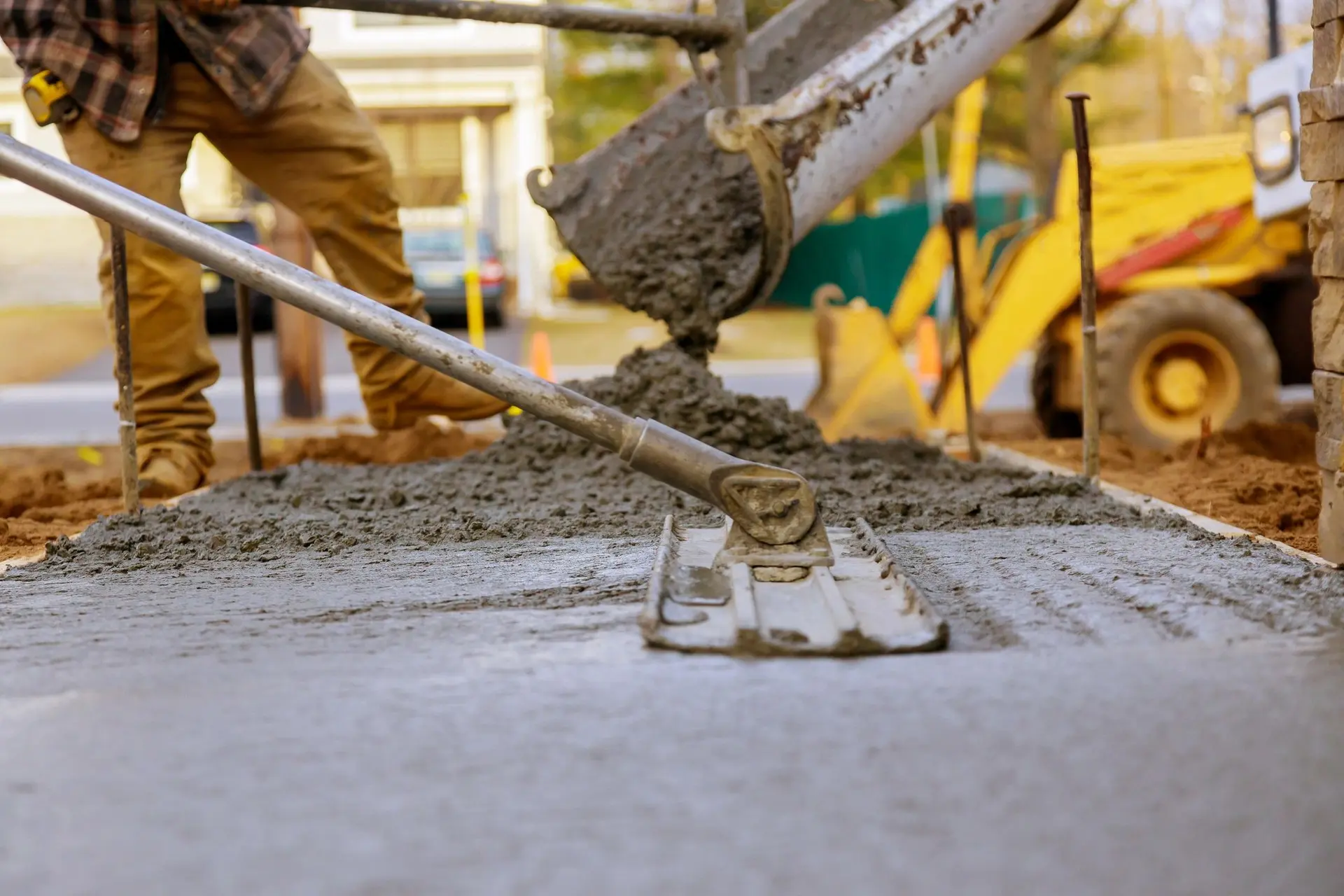
Pour on a dry day between 55°F and 85°F. After screeding and floating, apply a broom finish for traction. Begin curing immediately with a liquid curing compound or plastic sheeting, keeping the slab moist for at least 7 days. - Install Control Joints and Apply Sealer
Cut control joints every 8–12 feet to 25% of slab depth to direct cracking. After 28 days, seal with a penetrating sealer to guard against moisture, deicing salts, and freeze-thaw damage—critical for longevity in Hanover Park.
7 Essential Maintenance Tips to Protect Concrete in Hanover Park’s Harsh Seasons
Hanover Park’s unpredictable weather—bitter winters, sudden thaws, and heavy precipitation—puts immense stress on concrete surfaces. Without proactive care, slabs can crack, spall, or shift due to freeze-thaw expansion, moisture infiltration, and soil movement. Protect your driveway, patio, or walkway with these seven expert-backed strategies tailored to northern Illinois conditions.
- Apply a High-Quality Penetrating Sealer Every 2–3 Years
Sealing isn’t optional—it’s essential. A penetrating sealer blocks water and deicing salts from entering the concrete’s pores, preventing internal damage during freezing. In Hanover Park, where road salts are heavily used, sealed surfaces resist surface flaking and extend service life significantly. Reapply during dry, mild weather for best absorption. - Fill Cracks Promptly with Flexible Polymer Caulk
Even hairline fractures invite trouble. Water seeps in, freezes, and expands, widening the crack. Stop damage early by cleaning and filling cracks with a polymer-modified concrete caulk that remains flexible through temperature shifts. - Ensure Proper Yard Slope for Efficient Drainage
Standing water near concrete leads to erosion and freeze damage. Verify that your lawn slopes at least 1/4 inch per foot away from slabs and foundations. This prevents pooling and reduces hydrostatic pressure under the surface. - Clean Surfaces Regularly to Prevent Staining and Deterioration
Dirt, leaves, and organic debris trap moisture and promote surface degradation. Sweep bi-monthly and do a low-pressure wash annually, focusing on joints and low spots where grime collects. - Use Calcium-Based Deicers Instead of Rock Salt
Sodium chloride (rock salt) accelerates concrete deterioration. Switch to calcium magnesium acetate or calcium chloride—they melt ice effectively with far less damage to cured concrete. - Inspect and Maintain Control Joints Yearly
These intentional weak points manage stress from expansion and contraction. Clear out debris and replace worn joint filler every few years to keep them functioning properly. - Watch for Signs of Settlement or Heaving
Uneven surfaces or gaps near foundations signal subsurface movement. Early intervention with mudjacking or leveling can prevent costly full replacements down the line.
Your Top Questions About Concrete Projects in Hanover Park Answered
Do I need a permit for concrete work in Hanover Park?
Yes, most residential and commercial concrete installations—including driveways, sidewalks, patios, and foundation work—require a permit from the Hanover Park building department. Permits ensure compliance with local zoning, setback rules, and safety codes. Projects near property lines, public sidewalks, or underground utilities often require additional review. Skipping permits can lead to fines or mandatory removal of non-compliant work, so always verify requirements before beginning.
When is the best time to pour concrete in Hanover Park?
The ideal window is between late spring and early fall when temperatures consistently stay between 50°F and 90°F. These conditions support proper curing and reduce risks from early freezing or rapid moisture loss. Given Hanover Park’s unpredictable fall weather, avoid late-season pours unless using insulating blankets to protect against sudden cold.
How long should I wait before using new concrete?
Wait at least 48 hours before walking on it and seven full days before driving or placing heavy loads. While concrete gains strength quickly, full compressive strength takes 28 days. Colder or humid conditions in the Hanover Park area may extend curing times.
What concrete finishes last best in Hanover Park’s weather?
For durability, broom finishes offer excellent slip resistance on wet or icy surfaces. Stamped and textured concrete handle freeze-thaw cycles well and resist wear from snow removal. Always pair with a penetrating sealer to guard against moisture and deicing salts.
Why are control joints important in concrete slabs?
Control joints create planned weak points that direct cracking caused by temperature shifts and soil movement. In Hanover Park’s expansive clay soil, cutting joints every 8–12 feet to 25% of slab depth prevents random cracks and preserves structural integrity.
Should I hire a professional or attempt the job myself?
While small patches can be DIY, most concrete projects require professional expertise—especially site grading, base compaction, and mix selection. Poor prep leads to cracking and settling, particularly in this region’s challenging soil. Pros ensure code compliance, longevity, and performance under local conditions.
Investing in Long-Term Concrete Performance in Hanover Park
When it comes to concrete installations in Hanover Park, lasting quality begins with craftsmanship that accounts for local soil behavior, weather extremes, and proper construction techniques. The region’s clay-rich ground and recurring freeze-thaw cycles demand more than just pouring a slab—they require strategic planning, reinforced bases, and climate-appropriate materials to prevent cracking, settling, and deterioration over time. Homeowners and property managers who prioritize skilled execution not only enhance curb appeal but also safeguard structural integrity and long-term property value.
Durable results stem from foundational practices: ensuring proper site grading, using air-entrained concrete, installing control joints at correct intervals, and applying penetrating sealers every few years. These steps mitigate moisture intrusion, reduce surface spalling, and manage stress caused by seasonal ground movement. Regular maintenance—like clearing debris from joints, monitoring for uneven surfaces, and addressing small cracks early—can prevent costly repairs down the line.
To protect your investment, take inventory of existing concrete surfaces and assess their condition before winter sets in. Look for signs of shifting, joint failure, or water pooling near foundations. Consider scheduling a professional evaluation to identify hidden vulnerabilities. By making informed decisions focused on quality materials and proven methods, you ensure your concrete installations remain safe, functional, and attractive for decades to come. Start today—your property’s resilience depends on it.