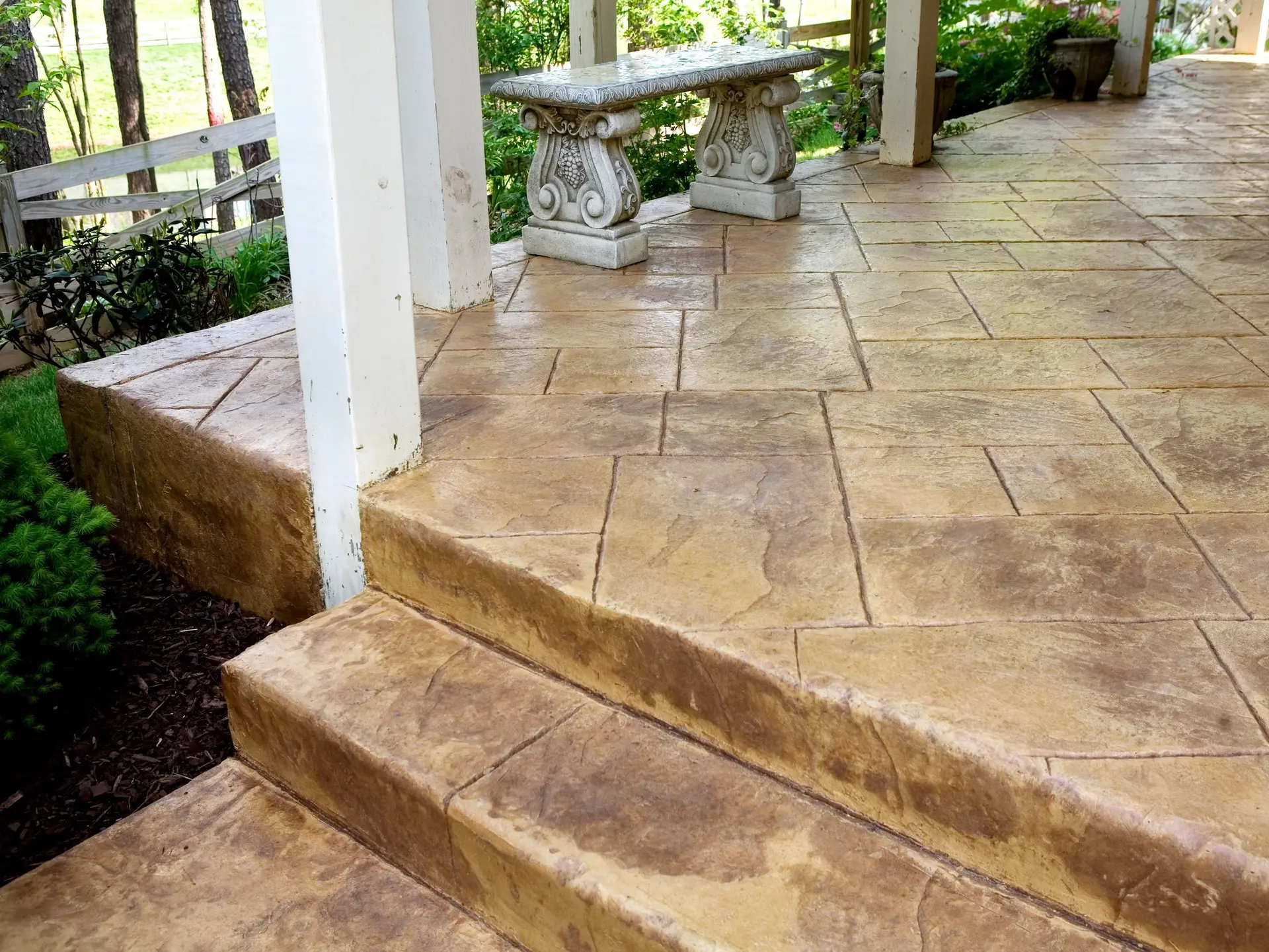
The Foundation of First Impressions: Why Concrete Stoops Stand the Test of Time
Every home tells a story, and the first chapter often begins at the front door—starting with the stoop. A concrete stoop is more than just a functional step; it’s a durable, low-maintenance entryway solution that sets the tone for your home’s curb appeal and safety. Widely chosen across residential neighborhoods in Naperville, Aurora, and throughout the Midwest, concrete stoops offer unmatched strength, weather resistance, and design adaptability.
These entry steps are engineered to handle daily foot traffic, extreme freeze-thaw cycles, and heavy snow loads—common challenges in the region—without warping, sinking, or deteriorating like softer materials. Built with reinforced bases and proper slope grading, concrete stoops efficiently shed water, reducing slip hazards and foundation erosion risks.
You’ll learn how proper installation techniques—from sub-base compaction to control joint placement—ensure longevity and prevent cracking. We’ll also cover essential care practices like sealing, cleaning, and winter maintenance that extend life and preserve appearance. Whether you're replacing an aging step or upgrading curb appeal, understanding the fundamentals of concrete stoops helps you make informed decisions for lasting home value.
Build a Lasting Entry: Your Step-by-Step Guide to Installing a Concrete Stoop
Creating a durable, level concrete stoop starts with meticulous preparation and proper technique. Whether you're enhancing curb appeal in Naperville, Aurora, or nearby Midwest communities, follow these essential steps to ensure a structurally sound and visually pleasing result that withstands freeze-thaw cycles and heavy foot traffic.
- Mark and Excavate the Site
Begin by outlining the stoop’s dimensions using stakes and string. Excavate 6–8 inches deep, extending 2–3 inches beyond each side to allow room for forms. Ensure the base slopes away from the house at 1/4 inch per foot for proper drainage—a critical factor in clay-heavy soils common across Northern Illinois. - Prepare the Base
Lay down a 4-inch layer of compacted gravel, followed by 2 inches of sand or stone dust. Tamp thoroughly to prevent settling. A stable sub-base is crucial for resisting frost heave during harsh winters. - Set Forms and Reinforce
Use 2x8 lumber for forms, secured with stakes every 2 feet. Insert rebar or wire mesh within the form to minimize cracking. Position expansion joints where the stoop meets the house or adjacent slabs. - Pour and Level Concrete
Mix and pour concrete in one continuous pass. Screed the surface flat, then use a bull float to smooth. Add a broom finish for slip resistance—ideal for icy conditions. - Cure and Protect
Cover the slab with plastic or cure it with a spray-on compound. Keep it damp for at least 7 days to achieve maximum strength. Proper execution ensures your stoop remains crack-resistant and safe for years.
Keep Your Concrete Stoop Looking Like New: Maintenance Made Simple
A well-installed concrete stoop adds both functionality and curb appeal to any home, especially in neighborhoods across Naperville, Aurora, and surrounding Midwest communities where durability meets style. But to maintain its strength and appearance over decades, routine care is essential. The good news? Concrete is low-maintenance when you follow a few proven practices tailored to the region’s freeze-thaw cycles, seasonal precipitation, and temperature extremes.
Start with regular cleaning—sweep debris weekly and power wash your stoop once or twice a year to prevent dirt buildup and organic growth like moss or mildew. These elements, especially near downspouts or shaded entries, can retain moisture and accelerate surface deterioration. Always use a neutral pH cleaner to avoid damaging the finish.
Sealing is critical. Apply a high-quality concrete sealer every 2–3 years to create a protective barrier against water infiltration, deicing salts, and staining. This step is particularly important before winter arrives, as trapped moisture can expand and cause cracking when temperatures drop.
Inspect your stoop seasonally for hairline cracks or spalling, particularly around joints or edges. Small cracks should be filled promptly with a flexible concrete caulk to prevent water intrusion. Avoid using harsh deicers like calcium chloride—opt for sand or safer alternatives to maintain traction without harming the surface.
With these simple, proactive steps, your concrete stoop will remain safe, attractive, and structurally sound for years to come.
Tackling Cracks and Settling: How to Identify and Fix Common Stoop Problems
Cracks and uneven settling are among the most frequent challenges homeowners face with concrete stoops, especially in regions prone to freeze-thaw cycles and shifting soils. These issues not only detract from your home’s curb appeal but can also create safety hazards if left unaddressed. Fortunately, understanding the signs and causes allows for timely intervention—whether through minor repairs or more comprehensive solutions.
Cracking typically occurs due to drying shrinkage, temperature fluctuations, or poor initial installation. Hairline cracks are common and often harmless, but wider cracks—especially those exceeding 1/8 inch—may indicate deeper structural stress. To prevent worsening, fill small cracks with a flexible concrete caulk designed for exterior use. Larger cracks may require routing and sealing with a polymer-modified mortar for long-term durability.
Uneven settling is often the result of inadequate base compaction, erosion beneath the slab, or expansive clay soils common in many Midwest areas. If your stoop has shifted or created a trip hazard, consider mudjacking or foam leveling—cost-effective methods that lift the slab back to proper grade without full replacement.
Prevention starts with proper installation: ensure a well-compacted sub-base, control joints every 8–12 feet, and a slight slope (1/4" per foot) away from the foundation to direct water runoff. Addressing these concerns early helps extend your stoop’s lifespan and maintains both safety and aesthetics.
Frequently Asked Questions About Concrete Stoop Installation, Durability, and Repair
How long does a concrete stoop typically last?
With proper installation and routine maintenance, a well-constructed concrete stoop can last 30 to 40 years or more, especially in Midwest climates like Naperville and Aurora. Its lifespan depends heavily on correct site preparation, use of control joints to manage cracking, and seasonal upkeep. Exposure to freeze-thaw cycles, poor drainage, or lack of sealing can shorten its durability.
What causes a concrete stoop to crack?
Cracking often results from improper curing, inadequate sub-base compaction, or thermal movement. In regions with expansive clay soils, shifting ground can stress the slab, leading to structural cracks. Control joints are essential—they create planned weak points that absorb movement and direct cracking away from visible areas.
Can an uneven concrete stoop be repaired?
Yes, minor settling or unevenness can often be corrected through mudjacking or foam leveling, which lift the slab back into place. For severe damage, partial replacement may be necessary. Always address underlying drainage issues first to prevent recurrence.
Is sealing a concrete stoop necessary?
Absolutely. Applying a penetrating sealer every 2–3 years helps prevent moisture absorption, reduces freeze-thaw damage, and resists staining. Unsealed concrete is more vulnerable to spalling, especially when deicing salts are used in winter.
How soon can I use my new concrete stoop after installation?
Avoid heavy traffic for at least 48 to 72 hours. Full strength develops over 28 days, but light pedestrian use can begin after three days. Keep vehicles and furniture off the slab during initial curing to prevent surface damage.
Can I customize the appearance of a concrete stoop?
Yes—options like broom finishes, stamped patterns, or integral coloring allow for aesthetic customization. These enhancements improve slip resistance and blend the stoop with your home’s exterior design.
What drainage considerations should be made during installation?
A properly installed stoop should slope at least 1/4 inch per foot away from the foundation to prevent water pooling and basement infiltration. Proper grading and downspout placement are critical for long-term performance.
The Lasting Value of a Well-Built Concrete Stoop
A properly installed and well-maintained concrete stoop offers far more than just a transition from sidewalk to doorway—it enhances safety, boosts curb appeal, and adds long-term value to any residential or commercial property in Naperville, Aurora, and surrounding Midwest communities. By following best practices in installation, including proper site grading, reinforcement, and control joint placement, property owners can avoid common issues like cracking, settling, and water pooling. Regular maintenance, such as sealing every few years and clearing debris from joints, extends the stoop’s life and preserves its appearance despite harsh freeze-thaw cycles and seasonal weather extremes.
Homeowners gain peace of mind knowing their entryway is stable and slip-resistant, especially when textured finishes like broom or exposed aggregate are used. Beyond function, a clean, well-shaped stoop complements landscaping and exterior design, creating a welcoming first impression. Unlike materials that degrade quickly under UV exposure or heavy foot traffic, concrete stands up remarkably well over time.
To get the most from your investment:
- Inspect your stoop annually for cracks or shifting
- Keep expansion joints free of debris
- Reapply sealer every 2–3 years in high-moisture areas If you're planning an upgrade or replacing an aging entryway, consider how a durable concrete stoop can solve long-standing drainage or accessibility issues. For reliable results, consult a qualified installer familiar with local soil and climate challenges—your front door deserves a foundation that lasts.