The Secret to Long-Lasting Concrete: Why Striping Matters More Than You Think
Concrete striping isn’t just a finishing touch—it’s a critical element in preserving the longevity and appearance of your driveway, walkway, or patio. Often overlooked, proper striping helps manage the natural tendencies of concrete to expand and contract with temperature shifts and moisture exposure, especially in regions with harsh seasonal changes like the Midwest. Without strategic control joints—commonly known as striping—concrete is far more likely to crack unpredictably, compromising both aesthetics and structural integrity.
In this guide, you’ll discover how concrete striping works, when and where it should be applied, and why it's essential for preventing unsightly cracks and minimizing long-term repair costs. You’ll learn the difference between too few joints and over-striping, how depth and spacing affect performance, and best practices for timing cuts during the curing process. Whether you're maintaining a residential walkway in Carol Stream or planning a new driveway installation, understanding the science behind concrete striping empowers you to protect your investment. With the right approach, your concrete surfaces will remain durable, level, and visually clean for years to come.
Tools & Materials for Professional-Grade Concrete Striping
Achieving crisp, durable concrete striping isn’t just about aesthetics—it’s a precision task that enhances safety, defines pathways, and elevates the appearance of commercial walkways, parking lots, and residential driveways. Whether you're marking ADA-compliant routes in Carol Stream or outlining service areas in high-traffic industrial zones, having the right tools and materials on hand ensures long-lasting, weather-resistant results that stand up to seasonal wear.
Start with high-quality water-based or solvent-based traffic paints, formulated specifically for concrete surfaces. These coatings resist fading from UV exposure and withstand freeze-thaw cycles common across northern Illinois. For added durability, consider acrylic-latex striping coatings that bond tightly to cured concrete without peeling. Pair your paint with reflective glass beads to improve nighttime visibility and meet municipal safety standards.
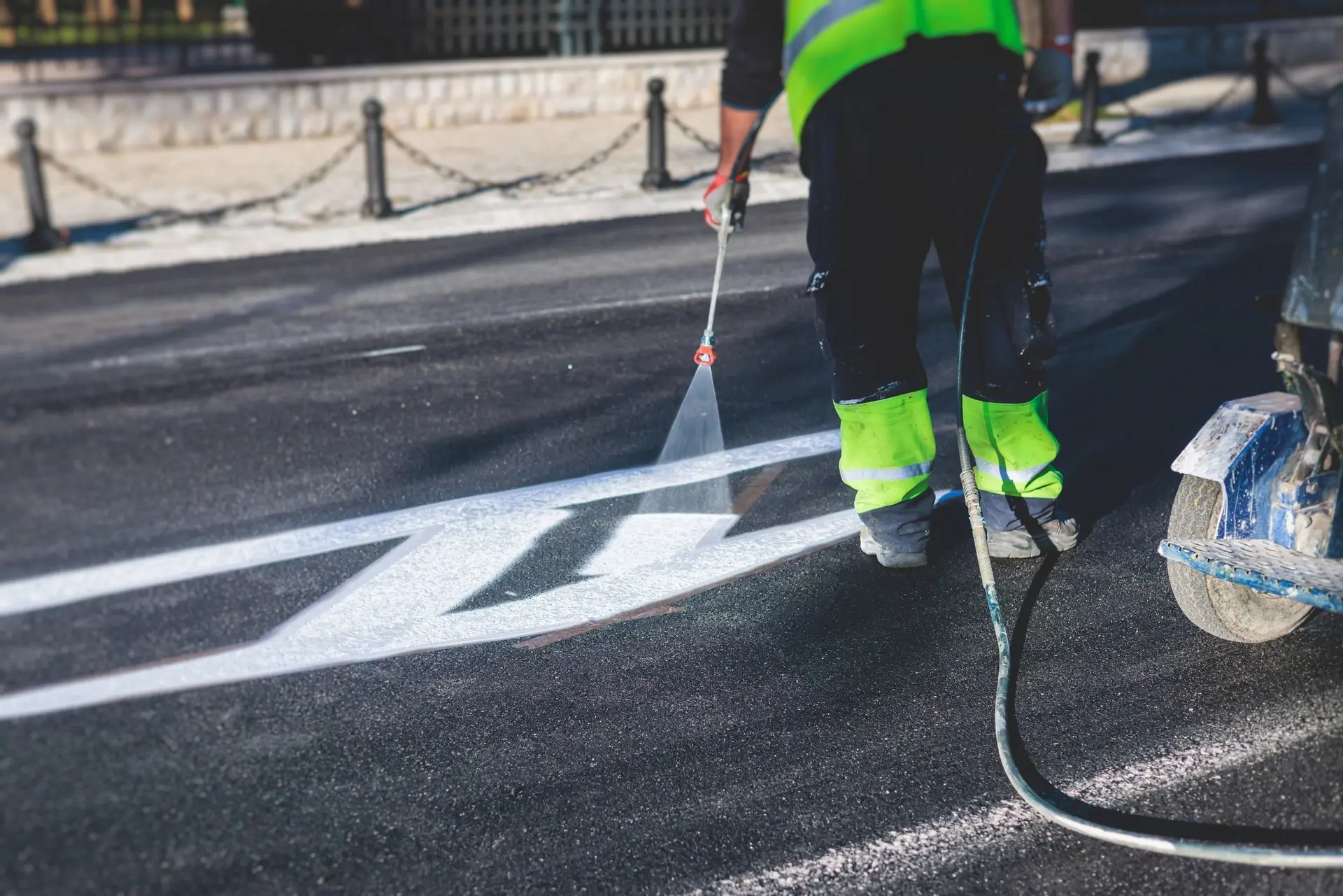
Application requires more than just paint. Use a straightedge guide or chalk line to maintain alignment, and apply paint with a high-density foam roller or airless striping sprayer for even coverage. For sharp lines and clean edges, adhesive or polyethylene masking tape prevents bleed-through on multi-colored designs.
Don’t forget prep tools: a stiff-bristle broom, pressure washer, and concrete degreaser ensure the surface is free of dust, oil, and old markings—critical for adhesion. Finally, allow proper curing time before reopening areas to foot or vehicle traffic to avoid smudging.
With the right prep and equipment, concrete striping becomes a cost-effective way to improve navigation, safety, and curb appeal.
Mastering the Art of Concrete Striping: A Step-by-Step Application Guide
Applying concrete striping is more than just a visual upgrade—it's a strategic method to enhance durability, manage movement, and boost curb appeal in driveways, patios, and walkways across regions like northern Illinois. Properly executed striping helps control cracking and adds a clean, finished look. Begin by preparing the surface: remove all debris, dirt, and standing water using a stiff broom or blower. For older slabs, etch the surface with a concrete cleaner to improve adhesion. Allow the area to dry completely before proceeding.
Next, mark your layout with chalk lines and use painter’s tape or stencils to define precise striping patterns. Use high-quality, weather-resistant striping paint designed for concrete surfaces—acrylic or epoxy-based formulas work best in freeze-thaw climates. Apply the first coat using a sprayer for even coverage or a roller for better control in tight areas, maintaining a consistent 1/8-inch thickness.
Allow the first coat to dry for at least 4 hours, then apply a second coat for lasting results. For outdoor installations, especially in areas like Carol Stream with heavy precipitation, consider adding a UV-resistant sealant over the stripes to prevent fading.
Best practices include applying striping during dry weather with temperatures above 50°F and avoiding foot or vehicle traffic for at least 24 hours post-application. Always clean tools immediately to ensure longevity and optimal performance in future projects.
Avoid Costly Mistakes: Common Challenges in Concrete Striping and How to Prevent Them
Concrete striping is a critical step in creating safe, organized, and visually appealing paved surfaces for commercial lots, parking areas, and residential driveways. Even with expert preparation, challenges can arise during the striping process that compromise clarity, durability, and compliance. Understanding these common issues—and how to avoid them—ensures long-lasting, professional-grade results.
One of the most frequent problems is misaligned markings, which occur when layout lines aren’t measured or transferred accurately. To prevent this, use precise measuring tools, establish fixed reference points, and double-check spacing before applying paint. For large lots, laser-guided string lines improve straightness and consistency across expansive areas.
Another issue is uneven paint application, leading to blotchy or thin lines that wear quickly. This often stems from inconsistent sprayer pressure or improper striping wand technique. Maintain a steady pace, keep the nozzle at a uniform height, and use high-quality thermoplastic or latex striping materials designed for durability in high-traffic zones.
Environmental conditions also play a major role. Striping over damp or improperly cured concrete causes poor adhesion. Always ensure the surface is fully dry and free of debris, and avoid painting during high humidity or temperature extremes—ideally, apply striping when temperatures are between 50°F and 90°F.
Finally, neglecting local striping regulations can lead to non-compliance, especially for ADA parking requirements in areas like Carol Stream and throughout northern Illinois. Be sure to follow standard dimensions for stall sizes, van-accessible spaces, and aisle widths to meet municipal and accessibility codes.
By focusing on accuracy, material quality, and local standards, you’ll achieve crisp, long-lasting striping that enhances safety and functionality.
Frequently Asked Questions About Concrete Striping
How durable is concrete striping in high-traffic areas?
Concrete striping is highly durable when properly applied and cured, especially in commercial zones and driveways across regions like Carol Stream and northern Illinois. Using high-strength concrete with air-entrainment and adding fiber reinforcement enhances resistance to cracking and surface wear. Stripes placed in areas with heavy vehicle use should include proper jointing patterns and edge support to prevent chipping.
What factors influence the cost of concrete striping?
Costs vary based on project size, design complexity, and site prep requirements. Key cost drivers include labor, concrete mix specifications, finishing techniques like brushing or stamping, and whether control joints or expansion strips are needed. Geographic location also affects pricing due to material availability and local labor rates.
How long does concrete striping last before needing reapplication?
With quality installation and routine maintenance, striping can last 15–20 years. Longevity depends on exposure to freeze-thaw cycles, UV degradation, de-icing chemicals, and heavy usage. Applying a penetrating sealer every 2–3 years helps preserve color and surface integrity, particularly in harsh Midwest climates.
Can concrete striping be repaired if damaged?
Yes, localized damage from settling or impact can be repaired using patching compounds or diamond grinding for smooth transitions. Matching the original finish and color may require skilled workmanship, especially for decorative striping patterns.
Is sealing necessary for concrete striping?
Absolutely. Sealers protect against moisture penetration, staining, and surface erosion. A high-performance, breathable sealer should be applied after full curing—typically 28 days post-installation.
How does weather affect concrete striping installation?
Optimal conditions include temperatures between 50°F and 85°F with low wind and no rain. Cold weather slows curing; hot, dry conditions increase the risk of plastic shrinkage cracks. Proper timing and curing methods are crucial for long-term performance.
Do I need expansion joints with concrete striping?
Yes. Expansion and control joints are essential to manage cracking caused by thermal movement and settling. They should be cut at regular intervals, typically every 10–15 feet, depending on slab thickness and site conditions.
Wrap-Up: Why Concrete Striping Is a Smart Move for Long-Lasting Results
Concrete striping isn’t just a finishing touch—it’s a proactive measure that enhances durability, safety, and visual appeal for paved surfaces. By dividing large concrete slabs into controlled sections, striping manages stress from temperature swings and soil movement, significantly reducing the risk of random cracking and structural damage. This is especially valuable in regions with freeze-thaw cycles and variable moisture levels, where uncontrolled cracking can compromise integrity and lead to costly repairs.
When planning your next concrete project, remember these key steps:
- Plan spacing carefully—typically every 10 to 15 feet in both directions, depending on slab thickness
- Use proper joint depth—at least 25% of the slab’s thickness to ensure effective crack control
- Time cuts early—within 6 to 12 hours after pouring, before internal stresses build
- Seal joints properly—apply flexible joint sealers to prevent water infiltration and debris buildup For best results, pair striping with quality concrete mix design, proper subbase preparation, and effective curing methods. These practices work together to maximize lifespan and performance.
If you're maintaining existing concrete, inspect joints annually and reseal as needed to preserve functionality. For new installations, consult a qualified contractor familiar with local conditions and best practices. Investing in professional-grade striping now saves time, money, and hassle down the road—protecting your pavement for years to come.