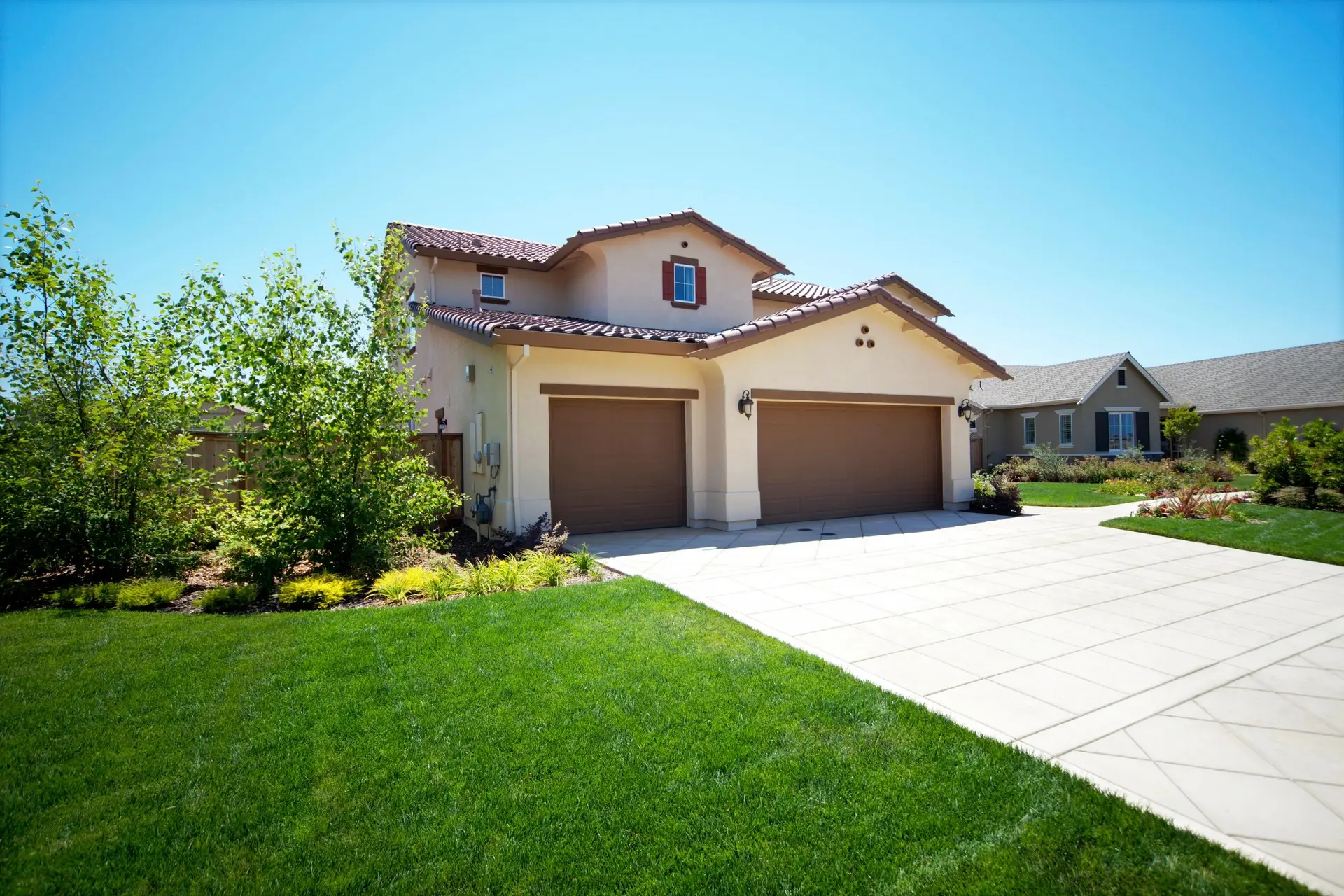
First Impressions Start at Your Front Door—Make Them Last with Concrete
Your home’s entrance is more than just a pathway—it’s the first story you tell visitors. A well-designed concrete entryway instantly elevates curb appeal, setting a tone of warmth, stability, and craftsmanship. In neighborhoods across Chicagoland and throughout northern Illinois, where seasonal shifts test the limits of outdoor materials, concrete stands out as a durable, adaptable solution for creating a welcoming front porch, elegant stepping stones, or a seamless walkway from sidewalk to stoop.
Beyond aesthetics, a properly installed concrete entrance addresses common homeowner concerns: slip resistance in icy conditions, long-term cracking from freeze-thaw cycles, and maintenance demands. With options like textured finishes, brooming, and exposed aggregate, you gain both visual interest and safety underfoot. Integrating control joints and using air-entrained concrete mixtures ensures resilience against shifting soils and temperature extremes.
This section kicks off a deeper dive into how purposeful concrete design enhances not just appearance, but function and longevity. You’ll discover how small changes—like adjusting slope for drainage or choosing colored finishes to match your façade—can make a major impact. Whether you're upgrading an outdated entry or building from scratch, the right concrete strategy turns your front approach into a lasting invitation.
5 Design Ideas to Elevate Your Concrete Welcome Area
- Stamped Concrete Driveways for Instant Curb Appeal
Transform your driveway into a striking entrance with stamped concrete that mimics the look of natural stone, cobblestone, or brick. Available in a variety of patterns and custom colors, stamped driveways offer both elegance and resilience—ideal for regions with freeze-thaw cycles. Properly sealed and installed with control joints, this option resists cracking and minimizes maintenance while making a lasting visual impact. - Decorative Sidewalks with Custom Borders and Inlays
Upgrade standard walkways by incorporating decorative borders, colored bands, or embedded designs such as geometric inlays or personalized motifs. Using integral color or surface stains, these enhancements guide guests to your front door while complementing your home’s architectural style. Textured finishes like broom sweeps also add slip resistance, blending safety with style. - Exposed Aggregate Entryways for Durability and Charm
Exposed aggregate concrete reveals a bed of decorative stones or pebbles, creating a slip-resistant and visually appealing surface perfect for walkways and landing pads. This finish works well in wet climates, providing excellent traction while adding a natural, high-end look. It's especially popular in suburbs where weather resilience and low maintenance are top priorities. - Colored and Acid-Washed Accents for Unique Flair
Introduce depth and dimension with acid-washed or stained concrete in entry zones. These finishes produce marbled, translucent effects that stand out from flat gray slabs. By layering hues that complement your home’s exterior, you create a cohesive and inviting pathway. Proper sealing ensures long-term color retention and protection against UV and moisture damage. - Patterned Overlays on Existing Concrete Surfaces
Revitalize aging slabs without full replacement using textured cementitious overlays. These thin, durable coatings can be stamped, stenciled, or hand-carved to resemble stone, tile, or wood—offering a cost-effective way to modernize your welcome area. Ideal for renewing faded patios or uneven entry slabs, overlays extend lifespan while matching new landscape aesthetics.
Build Strong from the Ground Up: A Step-by-Step Guide to Installing Your Concrete Entrance
Creating a durable and visually appealing concrete entrance starts with meticulous planning and proper execution. Whether you're enhancing curb appeal in Naperville, Aurora, or surrounding Chicagoland areas, following a structured installation process ensures longevity—especially in regions facing freeze-thaw cycles and shifting soils.
- Design & Permits
Begin by sketching your layout, noting dimensions, slope, and integration with existing structures. Contact your local building department to determine if a permit is required—typically needed for slabs over 30 square feet or work near property lines. Submit plans showing elevations, setbacks, and expansion joint placement to avoid delays. - Site Preparation
Mark utility lines using your local 811 service to prevent damage. Clear vegetation, rocks, and debris. Excavate 6–8 inches deep to accommodate base material and concrete. Ensure a ¼-inch-per-foot slope away from your foundation to direct water runoff and prevent pooling. - Base & Formwork
Lay down a compacted gravel base (4–6 inches) and use a plate compactor for stability. Install wooden or metal forms to contain the pour, securing them with stakes and checking for level. - Reinforcement & Pouring
Add rebar or wire mesh to strengthen the slab and control cracking. Pour concrete evenly, starting from the farthest point and working backward to avoid stepping on fresh material. - Finishing & Curing
Smooth the surface with a bull float, then add texture (broom finish or stamped pattern) for slip resistance. Cut control joints every 8–12 feet to manage cracking. Allow 7–14 days for curing before use, keeping the slab moist to prevent premature drying. Proper technique at each stage ensures a long-lasting, code-compliant entrance that enhances safety, accessibility, and aesthetic harmony with your home’s exterior.
Beyond Basic Gray: Customizing Your Concrete Welcome with Style
Transform your entryway into a standout feature with the wide range of concrete finishes available today. Gone are the days when driveways and walkways meant dull, monolithic slabs—modern concrete offers endless design potential through staining, stamping, and texturing techniques that elevate curb appeal while maintaining durability. Whether you're in Naperville, Aurora, or surrounding Chicagoland areas, custom concrete solutions can withstand freeze-thaw cycles and heavy foot traffic without sacrificing aesthetics.
Stamped concrete uses flexible molds to replicate the look of natural stone, cobblestone, or pavers, giving your welcome a high-end appearance at a fraction of the cost. Choose from dozens of patterns and border designs to match your home’s architectural style.
Acid or water-based stains penetrate the surface to create rich, mottled tones that vary naturally—ideal for personalized color palettes that resist peeling and fading. Unlike paint, these stains react chemically with the concrete for long-lasting results.
For added safety and dimension, textured finishes like broom finishes, exposed aggregate, or hand-troweled details provide slip resistance and visual depth. These are especially valuable for entryways exposed to rain or ice.
To maximize longevity and appearance:
- Apply a high-quality sealer after curing
- Schedule regular cleaning to prevent surface buildup
- Match your finish to your landscape and exterior finishes for a cohesive look With thoughtful customization, your concrete entry becomes more than functional—it becomes welcoming.
FAQs About Building a Long-Lasting Concrete Welcome
How durable is concrete for entryways and walkways?
Concrete is one of the most durable materials for outdoor entry features when properly installed. With a compressive strength of 3,000–4,000 psi and proper reinforcement like rebar or fiber mesh, it withstands heavy foot traffic, freeze-thaw cycles, and shifting soil common in northern Illinois. Air-entrained concrete is recommended for regions with harsh winters, as it reduces surface damage from ice expansion.
What maintenance does a concrete welcome require?
Concrete is low-maintenance but benefits from regular cleaning and periodic sealing. Sweep debris weekly and wash with mild detergent as needed. Reapply a high-quality concrete sealer every 2–3 years to prevent staining, moisture penetration, and spalling—especially in areas exposed to snow, salt, or heavy rainfall.
How does climate affect my concrete installation?
In zones with extreme temperature fluctuations, such as Chicagoland, proper curing and joint placement are critical. Pouring during stable weather, using accelerants or retardants as needed, and installing control joints every 8–12 feet help prevent cracking due to thermal movement.
What’s the average cost for a concrete entryway?
Expect to pay $6–$15 per square foot for standard flatwork. Decorative options like stamped, colored, or exposed aggregate finishes range from $8–$20 per square foot. Costs vary based on prep work, grading, and local labor rates.
Can I repair cracks or chips later?
Yes—most minor damage can be patched with polymer-modified concrete compounds. For wider cracks or uneven settling, consult a professional to assess subbase issues. Early repairs prevent water infiltration and further degradation.
Do I need expansion joints in my walkway?
Absolutely. Expansion and control joints absorb stress from temperature swings and ground movement. Installing them at proper intervals ensures longevity and prevents random, unsightly cracking.
How long will my concrete entrance last?
With quality materials, proper installation, and routine care, a concrete welcome can last 25 years or more—making it a smart, long-term investment for curb appeal and function.
Your Concrete Welcome Awaits: Long-Term Value Starts Now
A well-designed concrete welcome area is more than just functional—it’s a lasting investment in your property’s appeal and performance. From stamped patios to stained walkways and polished entries, modern concrete solutions offer unmatched durability, especially in climates with harsh seasonal shifts like Chicagoland and northern Illinois. When properly installed with code-compliant expansion joints, proper slope for drainage, and frost-resistant finishes, these surfaces can endure decades of foot traffic, freeze-thaw cycles, and heavy use without significant wear.
Beyond resilience, the aesthetic flexibility of concrete elevates curb appeal significantly. Custom textures, colors, and patterns allow homeowners to mirror high-end stone or brick at a fraction of the cost—while maintaining a cohesive look that complements their home’s architecture. Whether you're revitalizing an old slab with an overlay or building a new entry from the ground up, thoughtful design choices enhance both usability and visual impact.
To get started:
- Evaluate your current entryway for drainage issues or wear
- Consider how stamping, staining, or texturing can align with your landscape
- Prioritize professional-grade prep work, including subbase compaction and joint placement Don’t underestimate the long-term return—both in property value and everyday enjoyment. Take the next step by planning a concrete upgrade that’s built to last, designed to impress, and tailored to your outdoor lifestyle.