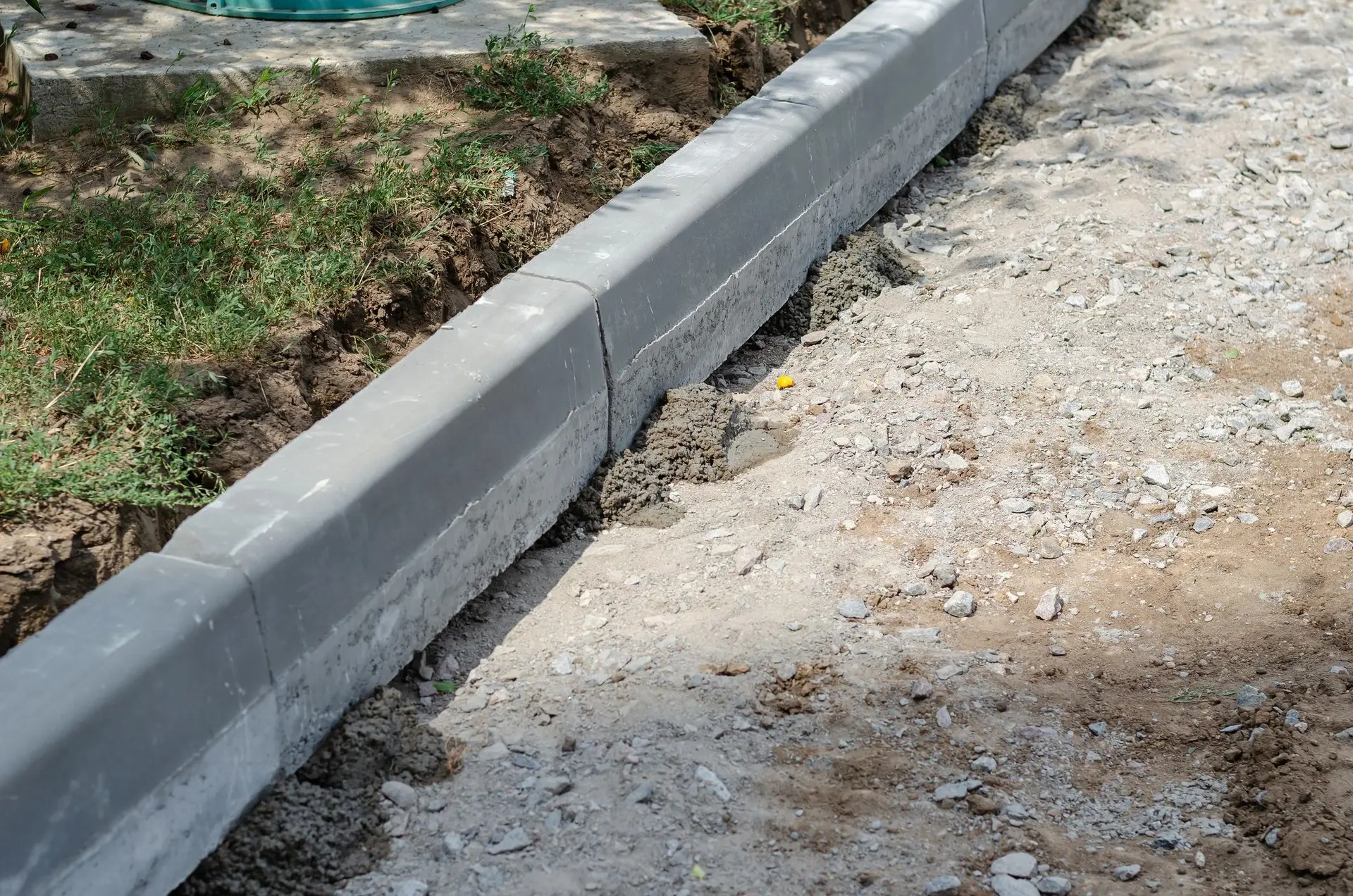
The Foundation Beneath Your Feet: Why Curbs Matter More Than You Think
Most homeowners overlook a small but critical feature that shapes their property’s durability: the curb. Often seen as just a boundary line between lawn and street, curbs play a vital role in managing water runoff, protecting landscaping, and maintaining structural integrity. In regions with heavy rainfall or freeze-thaw cycles, poorly designed or deteriorating curbs can lead to积水 in driveways, erosion, and even foundation damage over time.
This guide will help you understand how properly installed curbs direct water away from your home, reduce soil erosion, and enhance curb appeal—all while supporting long-term property value. You’ll learn the basics of curb function, common materials used (including concrete and stone options), and key installation practices that ensure longevity. We’ll also cover signs of curb failure, such as cracking, tilting, or separation, and what to do when repairs are needed.
Whether you're planning a new driveway, upgrading your landscape, or addressing recurring drainage issues near your foundation, recognizing the role of curbs is the first step toward a more resilient property. By the end, you’ll have the knowledge to make informed decisions about installation, maintenance, and when to seek professional help—keeping your home safe, dry, and visually cohesive.
Mastering Curb Installation: A Step-by-Step Guide for Durable Results
Installing curbs isn’t just about defining property lines—it’s about enhancing drainage, preventing erosion, and boosting curb appeal with lasting durability. Follow this proven step-by-step process to ensure your concrete curbs stand strong against weather, traffic, and time, especially in regions with challenging soil and freeze-thaw cycles.
- Design and Layout
Begin by marking the intended curb line using stakes and string. Ensure consistent alignment and account for natural slope—curbs should follow or improve existing grading to direct water away from foundations. Plan for expansion joints every 4–6 feet to accommodate ground movement. - Excavate and Prepare the Base
Dig a trench 6–8 inches deep and 4–6 inches wide. Compact the soil thoroughly, then add a 2–3 inch layer of gravel for drainage and stability. This base is critical in clay-heavy areas where shifting soil threatens long-term integrity. - Install Formwork
Use flexible or rigid edging forms secured with stakes to maintain shape. Ensure forms are plumb and aligned, with the top edge level and following the desired height (typically 4–6 inches above grade). - Pour and Consolidate Concrete
Mix and pour concrete in place, using a chute or wheelbarrow for even distribution. Vibrate or rod the mix to eliminate air pockets and settle the material firmly against the form. - Finish and Shape
Smooth the top with a float, then use a curbing tool to shape the edge—round, beveled, or bullnose finishes are common. Apply a broom finish for slip resistance if needed. - Cure Properly
Cover with curing paper or mist regularly for at least 5–7 days. Avoid foot or vehicle traffic during initial set to prevent damage. By following these steps, homeowners ensure curbs that function efficiently, comply with local drainage expectations, and maintain appearance for years.
Overcoming Curb Installation Challenges: Weather, Soil, and Drainage Solutions
Installing curbs in regions like Prospect Heights demands more than precise formwork and quality concrete—it requires strategic planning to overcome common environmental and structural hurdles. Weather extremes, soil composition, and poor drainage are leading causes of curb failure, but with the right approach, these challenges can be effectively managed.
Freeze-thaw cycles are a major concern in northern climates. When water seeps into concrete and freezes, it expands, causing cracks and surface spalling. To combat this, use air-entrained concrete, which contains microscopic air pockets that relieve internal pressure during freezing. Pouring during stable temperatures and protecting fresh concrete with proper curing blankets also improves durability.
Soil type plays a crucial role—especially in areas with expansive clay soils that swell when wet and shrink when dry. These shifts can lead to curb displacement and cracking. The solution begins with thorough site preparation: remove unstable topsoil, ensure proper compaction, and install a 4–6 inch gravel base to stabilize the subgrade and promote drainage.
Drainage issues must be proactively addressed. Curbs should be installed with a slight slope (at least 1/4-inch per foot) to direct water away from foundations and prevent pooling. Consider integrating expansion joints every 4–6 feet to allow for movement and reduce stress fractures. Installing perforated drain tiles behind curbs in high-moisture areas can also prevent hydrostatic pressure buildup.
By addressing these factors upfront, homeowners can ensure their curbs remain stable, functional, and visually appealing for years.
5 Key Benefits of Professional Curb Installation for Homeowners
Installing curbs may seem like a small detail, but it plays a vital role in protecting your property, enhancing curb appeal, and ensuring long-term functionality. For homeowners in regions with fluctuating weather and expansive soils, opting for professional curb installation offers distinct advantages that DIY attempts or subpar work simply can’t match.
- Superior Durability Through Expert Materials and Techniques
Professionals use high-strength concrete mixes engineered to withstand freeze-thaw cycles, heavy precipitation, and soil movement. These formulations, often air-entrained and reinforced, resist cracking, spalling, and shifting—common issues in climates with seasonal extremes. - Precision Grading for Effective Drainage
Improper slope can lead to water pooling near foundations, increasing the risk of erosion and basement leaks. Skilled installers ensure curbs are graded correctly, directing runoff away from structures and aligning with municipal drainage standards for long-term protection. - Compliance with Local Codes and HOA Guidelines
Municipalities often have specific requirements for curb height, setback, and construction methods. Professional contractors are well-versed in local regulations, helping homeowners avoid fines, rework, or project delays due to non-compliance. - Enhanced Aesthetic Cohesion and Property Value
Clean, straight curbs finished with consistent texture and color elevate a home’s exterior. Whether paired with driveways, walkways, or landscaping, professionally installed curbs create a polished look that boosts curb appeal and supports higher resale value. - Long-Term Cost Savings and Reduced Maintenance
By preventing common failures like misalignment or water damage, professional installation minimizes future repairs. This proactive investment reduces the need for patching, leveling, or full replacement down the line, saving both time and money.
Your Top Questions About Curbs: Types, Costs, Maintenance, and Lifespan
What are the most common types of curbs used in residential projects?
Curbs come in several standard styles, each serving different functional and aesthetic needs. Monolithic curbs are poured alongside sidewalks in one continuous pour, ideal for simplicity and cost-efficiency. Detached curbs stand alone, often used to define landscaping edges or support retaining walls. Bullnose curbs feature a rounded top edge, offering a smooth finish that’s safer in high-traffic areas. For decorative appeal, architectural or stamped curbs mimic stone, brick, or cobblestone patterns, enhancing curb appeal in neighborhoods like those in Prospect Heights.
How much does curb installation typically cost?
Costs vary based on material, length, design complexity, and site prep. Standard concrete curbs generally range from $25 to $80 per linear foot. Decorative finishes or custom molds may increase pricing. Additional factors include excavation, grading, and whether reinforcement or expansion joints are required—especially important in areas with freeze-thaw cycles.
How long do concrete curbs last, and what affects their lifespan?
Well-installed curbs can last 20–40 years. Longevity depends on proper base preparation, climate conditions, and material quality. In northern Illinois, freeze-thaw cycles and expansive clay soils can accelerate cracking if air-entrained concrete and control joints aren’t used.
What maintenance do curbs require?
Seal every 2–3 years to prevent moisture intrusion. Keep joints free of debris and vegetation, and avoid using heavy machinery or snowplows that can chip or displace sections.
When should I repair versus replace a damaged curb?
Repair minor spalling or hairline cracks with hydraulic cement fillers. Replace sections that are significantly shifted, leaning, or creating trip hazards due to frost heave—especially if drainage is compromised.
Final Steps to a Durable, High-Performance Concrete Project
Wrapping up, successful concrete projects in regions like Prospect Heights hinge on smart planning, climate-aware materials, and attention to structural fundamentals. From proper sub-base compaction and the use of air-entrained concrete to strategic joint placement and effective drainage design, each step plays a vital role in preventing cracks, heaving, and long-term deterioration. Homeowners who prioritize these elements not only enhance the longevity of driveways, patios, and foundations but also protect their property’s value and safety.
Before moving forward, evaluate your site’s unique conditions—soil type, slope, and exposure to freeze-thaw cycles—and ensure your project plan addresses them. Always confirm permit requirements with local authorities and schedule work during stable weather windows to support proper curing. If structural repairs or full replacements are needed, don’t settle for surface-level fixes that ignore underlying issues.
For best results, consider consulting experienced concrete professionals familiar with northern Illinois conditions. Their expertise in reinforcement, grading, and code compliance can make the difference between a project that lasts decades and one that needs frequent repairs. Take action today by reviewing your property’s concrete surfaces, identifying early signs of wear, and planning ahead for durable, expert-grade solutions. Your home deserves a foundation as strong as the ground it stands on.