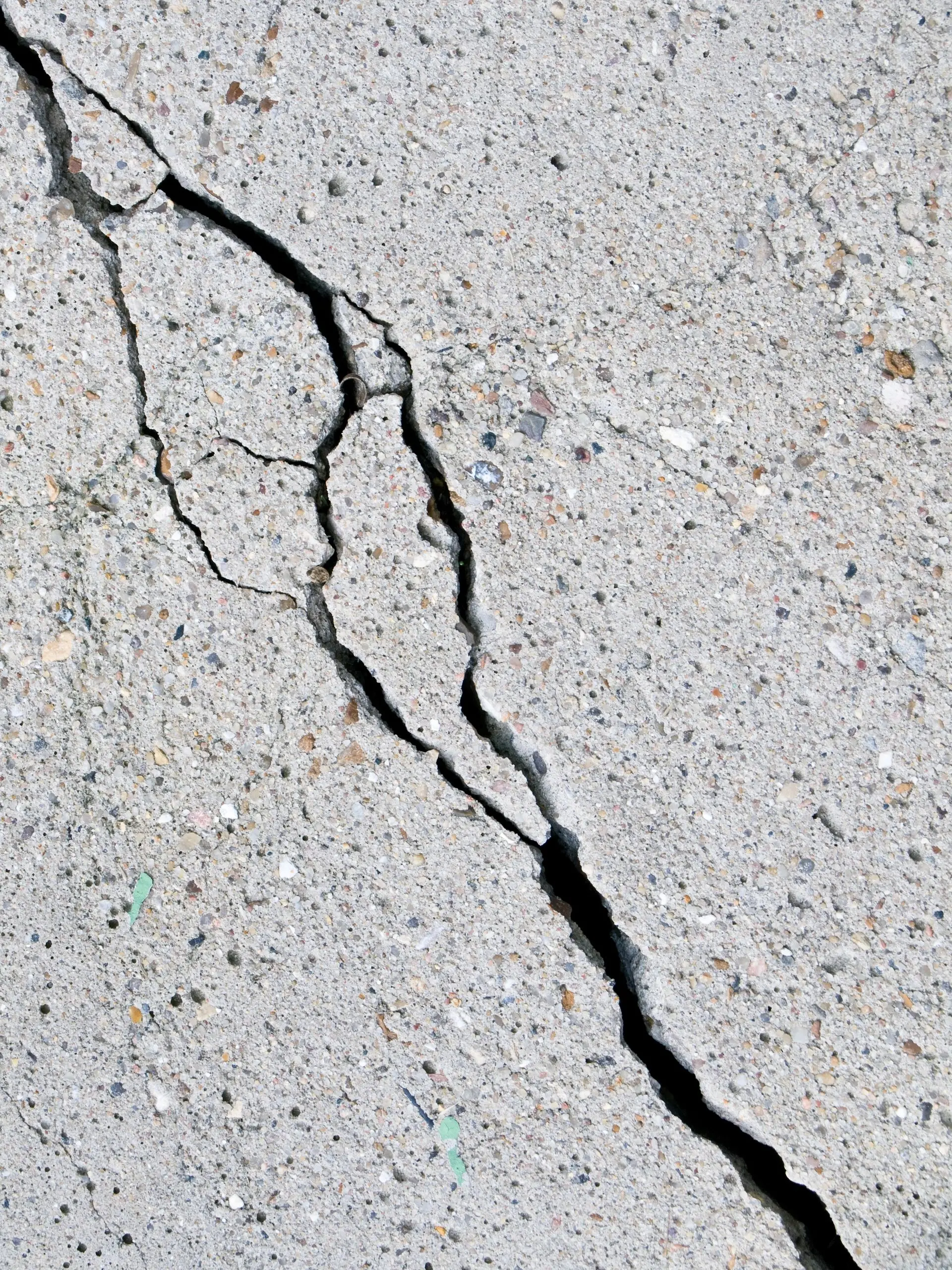
The Silent Threat Beneath Your Feet: Why Cracked Concrete Can’t Be Ignored
Cracks in concrete might seem like minor cosmetic flaws, but they’re often the first sign of deeper structural issues—especially across regions with extreme weather like Naperville, Aurora, and throughout the Midwest. With over 90% of residential concrete installations showing signs of cracking within the first decade, it’s clear this isn’t just a rare flaw—it’s a predictable outcome of environmental stress, poor installation, or lack of maintenance. Left unattended, these cracks expand, allowing water infiltration, freeze-thaw damage, and even foundation shifting, all of which compromise safety and reduce property value.
In clay-heavy soils common in Northern Illinois, ground movement intensifies the problem, turning small fissures into trip hazards or drainage risks. Whether it’s a cracked driveway, a sagging sidewalk, or spalling on a patio, early intervention is key to preventing costly repairs down the line. This guide will walk you through the root causes of concrete cracking, practical DIY fixes for minor damage, and professional-level repair methods that restore strength and appearance. You’ll also learn how proper joint placement, material selection, and seasonal maintenance can stop cracks before they start—protecting your investment for decades to come.
What Really Causes Concrete to Crack? Unpacking the Root Issues
Concrete cracking isn’t random—it’s a symptom of underlying structural and environmental forces at play. Homeowners and property managers across regions like Naperville, Aurora, and the broader Midwest often see cracks appear within years of installation, not due to poor materials, but because of preventable factors tied to soil behavior, temperature shifts, and workmanship. Understanding these core causes is the first step toward long-term durability.
Settlement is one of the most common culprits. When the subbase beneath a slab isn’t compacted properly or encounters uneven soil composition—such as expansive clay prevalent in Northern Illinois—portions of the concrete can sink over time. This differential settlement creates stress points that lead to structural cracking, often seen along edges or near control joints.
Temperature fluctuations also play a major role. Concrete expands in heat and contracts in cold—a cycle that intensifies in climates with extreme seasonal changes. Without proper expansion joints or control cuts, this movement generates internal tension, resulting in map cracking or even spalling.
Finally, improper installation practices, such as adding too much water to the mix, inadequate curing, or incorrect joint placement, compromise integrity from the start. These avoidable mistakes accelerate wear and reduce the slab’s ability to handle natural stresses.
To mitigate these issues:
- Ensure proper site preparation and soil compaction before pouring
- Install expansion strips every 10–15 feet and at structural junctions
- Follow correct curing protocols to minimize shrinkage Addressing these root causes up front leads to stronger, longer-lasting concrete installations.
Assessing Concrete Cracks: When to DIY and When to Call a Pro
Not all cracks are created equal—knowing the difference can save you time, money, and prevent further damage. Start by cleaning the crack with a wire brush and garden hose to get a clear view. Use a measuring tape to check the width: hairline cracks under 1/8 inch wide are typically shrinkage cracks and often stable, making them good candidates for DIY repair with a flexible concrete caulk.
Next, evaluate the depth and pattern. Use a flashlight to see if the crack goes all the way through the slab. Vertical cracks with no vertical displacement (one side isn’t higher than the other) are usually less concerning. However, stepped cracks along joints or walls may indicate foundation movement, especially common in areas with expansive clay soils like those in Naperville and Aurora.
Check for active movement by placing small tiles or tape across the crack and monitoring for shifts over a few weeks. If the crack widens or shows signs of heaving, it’s likely structurally significant. Cracks wider than ¼ inch, especially those near control joints or where the slab meets the foundation, often require professional evaluation.
Pro tip: In freeze-thaw climates, moisture infiltration through unsealed cracks accelerates deterioration. Even small cracks should be sealed promptly to protect against water damage. When in doubt, consult a certified concrete specialist to assess structural integrity and recommend the right solution.
5 Proven Methods for Repairing Cracked Concrete—And When to Use Each
Cracked concrete is a common challenge for homeowners and property managers, especially in areas like Naperville, Aurora, and across the Midwest with frequent freeze-thaw cycles. Left untreated, cracks can worsen, allowing moisture infiltration, spalling, and structural instability. Fortunately, several effective repair methods exist—each suited to different crack types, load conditions, and environmental factors.
- Epoxy Injection for Structural Cracks
Best for deep, vertical cracks in foundations, garage floors, or load-bearing slabs, epoxy injection restores structural integrity by filling the crack completely with a high-strength bonding agent. The low-viscosity epoxy is pressure-injected into cleaned cracks, ensuring deep penetration and long-term durability. This method works well in areas with minimal movement and high strength demands. - Polyurethane Injection for Active Cracks
Ideal for cracks that continue to move due to settling or moisture, polyurethane expands slightly to seal gaps and accommodate future shifts. It's water-activated in many cases, making it excellent for cracks below grade or in damp environments like basements and driveways exposed to Midwestern winters. - Concrete Patching Compounds for Surface Damage
For shallow spalling, pitting, or non-structural cracks, patching with polymer-modified cementitious compounds offers a fast, cost-effective fix. These products bond strongly to existing concrete and can be troweled to match surrounding textures—perfect for sidewalks, steps, and patio surfaces. - Mortar Resurfacing for Widespread Deterioration
When large areas show wear or multiple hairline cracks, a thin overlay of resurfacing mortar can renew appearance and function. This method involves applying a bonded layer over the prepared surface, ideal for aging driveways or walkways in residential settings. - Slabjacking to Lift and Stabilize Settled Concrete
Sunken slabs, common in clay-heavy soils around Northern Illinois, can be raised back into place using slabjacking. A grout or foam mixture is injected beneath the slab to fill voids and lift it evenly, restoring proper drainage and eliminating trip hazards without full replacement.
Cracked Concrete FAQs: What Homeowners Need to Know
When should I be concerned about cracks in my concrete?
Not all cracks are cause for alarm. Hairline cracks less than 1/8-inch wide are often normal shrinkage cracks and typically don’t affect structural integrity. However, you should pay attention to cracks that are widening, shifting, or showing signs of spalling. Cracks over ¼ inch, especially those with vertical displacement or located near control joints, may indicate underlying issues like poor subbase compaction or freeze-thaw damage—common concerns in Northern Illinois climates.
Can cracked concrete be repaired, or do I need a full replacement?
Many cracks can be effectively repaired using epoxy injections, routing and sealing, or patching compounds, especially if caught early. Wide or structurally compromised cracks—particularly those allowing water infiltration—may require partial slab replacement. The key is addressing them before moisture leads to subbase erosion or rebar corrosion.
How can I prevent future concrete cracks?
Proper jointing is critical. Install control joints every 10 to 15 feet and use expansion strips where slabs meet fixed structures. Ensure adequate curing and avoid over-troweling, which can weaken the surface. In areas like Naperville and Aurora, where freeze-thaw cycles stress concrete, proper drainage and sealants are essential.
Do expansion joints help prevent cracking?
Yes. These pre-planned gaps allow slabs to expand and contract with temperature changes, reducing stress buildup. They’re especially important in driveways, patios, and foundations exposed to Midwest weather extremes.
Should I seal my concrete cracks myself?
DIY sealants work for small, stable cracks. For larger or active cracks, professional repair ensures proper material selection and long-term performance, especially in high-traffic or water-prone areas.
How often should I inspect my concrete?
Check driveways, sidewalks, and patios twice yearly—spring and fall. Look for new cracks, joint deterioration, and signs of settling. Early detection saves money and extends your slab’s lifespan.
Don’t Wait Until It’s Too Late: Act Now to Protect Your Concrete Investment
Cracked concrete isn’t just a cosmetic concern—it’s a warning sign of underlying stress that, if ignored, can compromise structural integrity and lead to expensive repairs. As we’ve explored, the causes of cracking range from thermal expansion and ground movement to improper joint placement and material failure. The key takeaway? Timely intervention is critical. Whether you're managing a residential driveway in Naperville or a commercial sidewalk in Aurora, addressing cracks early with proper repair techniques and expansion control measures can dramatically extend the life of your concrete.
Start by inspecting slabs at least twice a year—especially after freeze-thaw cycles—looking for hairline fractures, spalling, or compromised expansion joints. Clean and reseal joints with flexible, durable materials that allow movement while blocking moisture. For existing cracks, consider routing and sealing, mudjacking, or partial replacement depending on severity.
Investing in routine maintenance today prevents major structural repairs tomorrow. By integrating expansion strips during installation and performing proactive upkeep, you ensure long-term resilience against the Midwest’s demanding climate and shifting soils.
Your concrete structures are built to last—but only with proper care. Take action now to inspect, repair, and maintain your slabs, and enjoy decades of safety, functionality, and curb appeal.