Why Homeowners Are Choosing Cement for Outdoor Living Spaces
Outdoor living spaces have become essential extensions of the home, and cement patios are leading the trend for a reason. With their perfect blend of strength, versatility, and low maintenance, cement surfaces offer a reliable foundation for everything from backyard barbecues to quiet morning coffee. In regions like Chicagoland—where temperature swings and seasonal moisture challenge building materials—cement stands out for its resilience and long-term performance.
Cement patios withstand freeze-thaw cycles better than many alternatives, especially when installed with proper expansion joints and reinforced subbases. Unlike softer surfaces that degrade under heavy foot traffic or shifting soil, cement holds firm, minimizing cracks and uneven settling. Its durability translates to fewer repairs and lower lifetime costs, making it a smart choice for homeowners in Naperville, Aurora, and surrounding areas.
You’ll also discover how cement offers flexibility in design—whether you prefer a sleek, broom-finished surface or a decorative stamped pattern that mimics stone or brick. With proper curing and sealing, cement resists staining, erosion, and weather damage, keeping your patio looking great for decades.
In this guide, you’ll learn about installation best practices, maintenance tips, design options, and how to maximize longevity—no matter your climate or usage needs.
5 Powerful Reasons to Choose Cement for Your Next Patio Project
When planning an outdoor living space, selecting the right material is critical—not just for aesthetics, but for long-term performance and value. Cement patios have become a top choice for homeowners looking to combine strength, affordability, and creative design potential in one durable surface. Unlike alternatives that fade or crack under pressure, cement stands up to heavy foot traffic, extreme weather, and seasonal changes—making it ideal for backyards across climates like northern Illinois, where freeze-thaw cycles and moisture are common concerns.
- Unmatched Durability in Harsh Conditions
Cement patios resist cracking, erosion, and surface spalling when installed with proper jointing and subbase preparation. Its high compressive strength ensures long-term stability, even under frequent use or shifting soil conditions common in suburban yards. - Cost-Effective with Minimal Lifetime Expenses
While initial costs may vary, cement reduces long-term spending by eliminating the need for frequent repairs or replacements. With no requirement for recurring sealants (unlike softer pavers), maintenance stays low. - Design Flexibility Without Sacrificing Strength
From stamped patterns that mimic stone or brick to stained finishes in custom colors, cement offers endless aesthetic options. Textures like broom-finish or exposed aggregate add slip resistance while enhancing visual appeal. - Low Maintenance, High Performance
Sweep, rinse, and seal every few years—most cement patios need little else. They resist mold, staining, and UV fading better than many alternatives, especially when properly cured and sloped for drainage. - Increases Outdoor Usability and Home Value
A well-designed cement patio extends functional living space for entertaining, dining, or relaxation. Its clean, polished finish enhances curb appeal and boosts perceived property value in competitive markets. Choose a material that lasts—your outdoor space deserves it.
Cement vs. Alternatives: Making the Right Choice for Your Outdoor Space
When planning a durable, visually appealing patio, homeowners in Chicagoland and surrounding areas face a critical decision: which material delivers the best balance of longevity, cost, and aesthetic potential? Cement, pavers, wood decking, and natural stone each offer distinct advantages, but understanding their comparative performance helps ensure a smart, long-term investment.
Cement (Concrete) stands out for its structural integrity and low maintenance. With a compressive strength of 3,000–4,500 psi, it resists cracking under heavy loads and extreme weather—especially when poured with expansion joints and proper slope for drainage in areas prone to freeze-thaw cycles. It lasts 30–40 years with minimal upkeep and can be finished in a variety of textures and colors, from exposed aggregate to stamped patterns mimicking stone or brick.
Pavers, while highly flexible in design, require more ongoing maintenance due to shifting and weed growth in joint sand. They’re prone to displacement in expansive soil conditions common in Naperville or Aurora without rigorous edge restraint.
Wood decking offers warmth and instant curb appeal but demands regular sealing, staining, and is vulnerable to rot, insects, and moisture damage—especially in humid, variable climates.
Natural stone provides unmatched elegance but often comes with higher material and installation costs, as well as potential for uneven settling over time.
For lasting durability, climate resilience, and life-cycle value, cement remains a top choice for homeowners seeking a functional, beautiful outdoor living area.
Your Step-by-Step Guide to Building a Durable Cement Patio
Creating a long-lasting cement patio starts with careful planning and precise execution. Follow these essential steps to ensure a professional-quality result that stands up to weather, weight, and time—especially in climates with freeze-thaw cycles common across Chicagoland and northern Illinois.
- Plan and Mark the Layout
Begin by determining the patio’s size and shape, considering drainage patterns and proximity to your home’s foundation. Use stakes and string to outline the area, ensuring proper clearance and a slight slope (¼ inch per foot) away from the house to prevent water pooling. - Excavate and Prepare the Site
Remove grass, topsoil, and debris to a depth of 6–8 inches. This allows room for a 4–6 inch compacted gravel base and a 2–4 inch concrete slab. Ensure the subgrade is level and tamped down firmly using a hand compactor. - Install Forms and Reinforcement
Set wooden or metal forms around the perimeter to contain the pour. Insert rebar or wire mesh within the formwork to reinforce the slab and reduce cracking from ground movement. Anchor expansion joints every 8–12 feet to control crack placement. - Pour and Level the Concrete
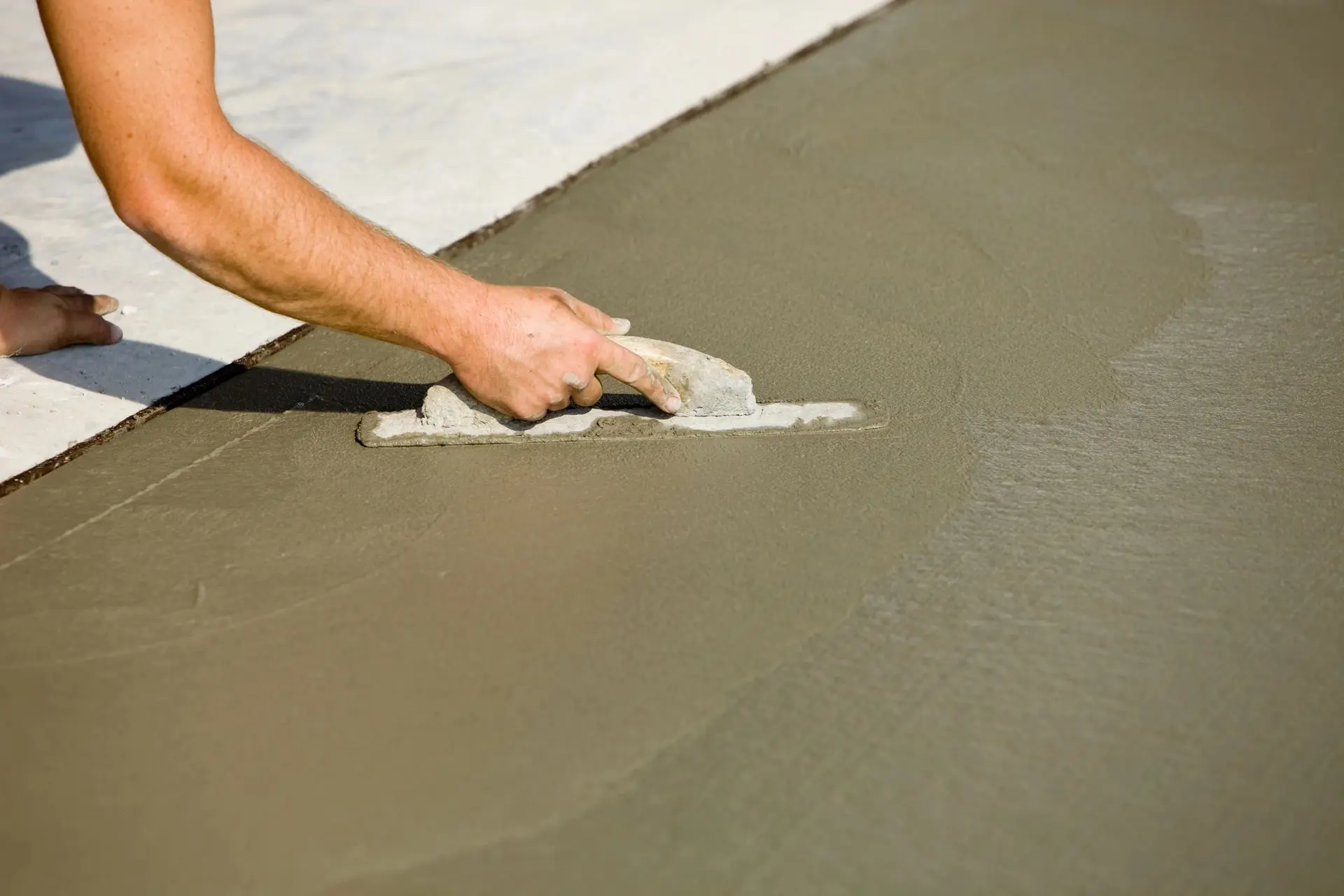
Order ready-mix concrete or mix on-site, pouring in sections to maintain consistency. Use a screed board to level the surface, then bullfloat to smooth out imperfections and embed larger aggregate. - Finish and Cure Properly
Apply a broom finish for slip resistance, then cover the slab with plastic sheeting or use a curing compound. Keep the concrete moist for at least 7 days to achieve maximum strength and minimize surface cracking. With attention to detail at every stage, your cement patio will provide a stable, attractive outdoor living space for years to come.
Cement Patio FAQs: Your Top Questions Answered
How long do cement patios typically last?
When professionally installed with proper subbase preparation, control joints, and adequate curing, cement patios can last 30 to 40 years or more—especially in climate zones with seasonal freeze-thaw cycles, such as Chicagoland. Longevity heavily depends on material quality, installation standards, and consistent maintenance, including timely sealing every 5–7 years to prevent moisture penetration and surface spalling.
What kind of maintenance does a cement patio require?
Cement patios are low-maintenance but benefit from routine care. Sweep regularly, clean with a mild detergent, and inspect for cracks or shifting. Seal the surface every few years to protect against stains, weathering, and erosion. In northern Illinois, ensure snow removal is done with plastic shovels or soft-bristle plows to avoid surface chipping.
Can I customize the look of my cement patio?
Yes—modern techniques allow for significant customization. Stamped concrete can mimic stone, brick, or wood textures. Colored concrete offers a range of hues, while exposed aggregate finishes reveal decorative stone chips for a slip-resistant surface. These options enhance curb appeal and integrate seamlessly with landscaping in Naperville, Aurora, and surrounding areas.
Are cracks in cement patios normal?
Some hairline cracking is common due to natural shrinkage, but proper installation with expansion joints and reinforcement (like wire mesh or fiber additives) minimizes risks. Wider cracks may indicate poor subgrade compaction or lack of control joints—issues best addressed during initial build.
Can I add features like fire pits or seating later?
Yes, but integrating hardscape elements during the initial pour ensures structural continuity and cleaner finishes. If adding later, consult a professional to core-cut and anchor new components safely into the existing slab.
Final Thoughts: Why Your Home Deserves a Cement Patio
A cement patio isn’t just an outdoor upgrade—it’s a long-term investment that delivers lasting value, both financially and functionally. Homeowners across regions with challenging climates, such as northern Illinois, are discovering that the durability, low maintenance, and aesthetic flexibility of cement make it a superior choice over softer, more perishable materials. When installed with proper grading, control joints, and a reinforced subbase, a cement patio can withstand decades of freeze-thaw cycles, heavy foot traffic, and seasonal wear without cracking or shifting.
Beyond resilience, cement enhances curb appeal and extends usable living space, turning unused backyard areas into functional gathering spots for family and entertaining. Whether left in classic gray, stained for warmth, or stamped to resemble stone or pavers, cement offers design versatility that aligns with any home’s architecture. Unlike other hardscaping materials, it resists fading, erosion, and weed intrusion when properly sealed, reducing the need for constant upkeep.
For homeowners in Naperville, Aurora, and surrounding communities, a well-constructed cement patio increases property value and improves outdoor enjoyment year-round. If you're ready to elevate your exterior space, consider planning your design with attention to slope, joint placement, and finish type—then consult a trusted installer to bring your vision to life.