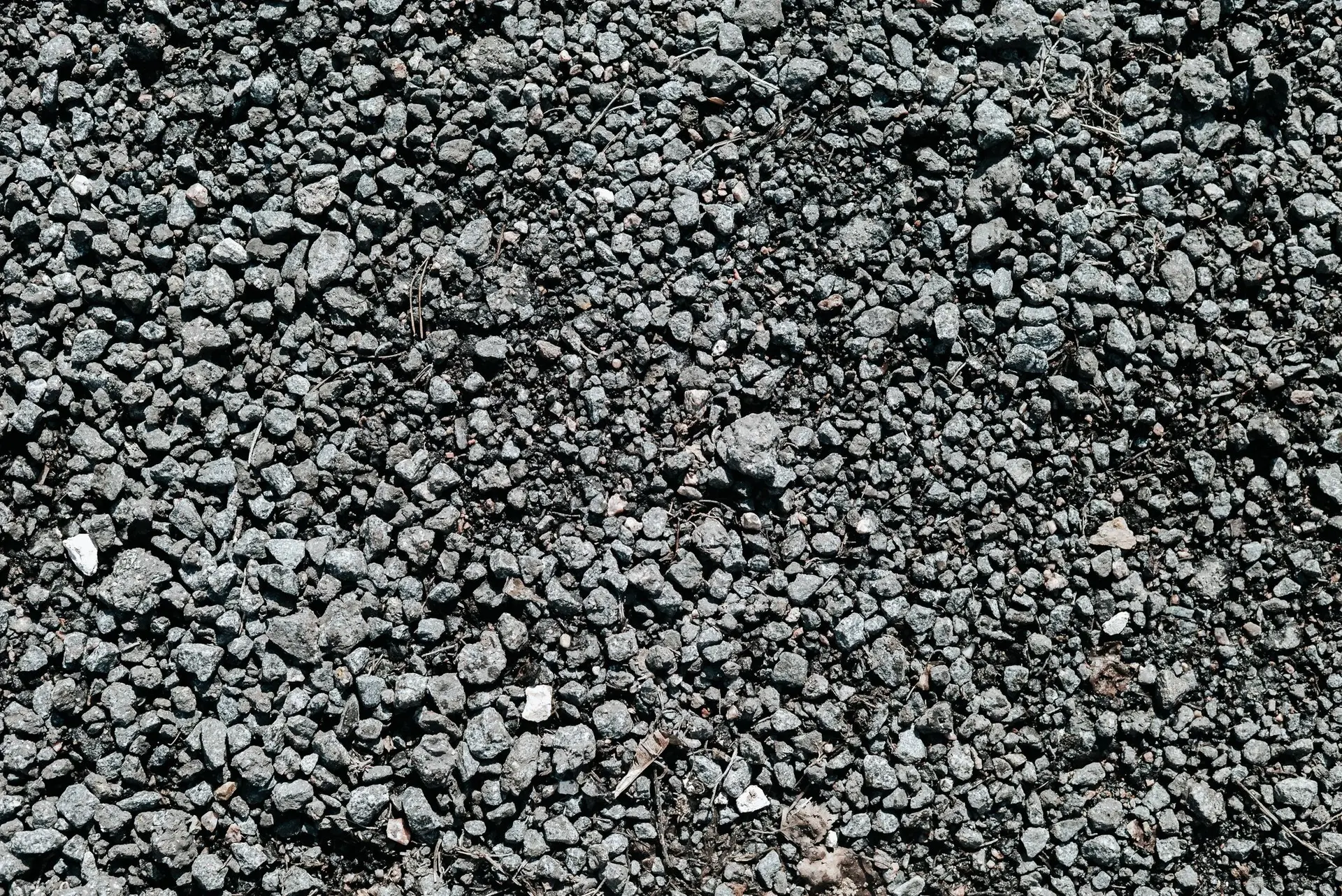
Why a Solid Foundation Starts with Proper Gravel Compaction
A wobbling patio, cracked driveway, or sunken sidewalk often isn’t due to poor concrete—it starts beneath the surface. A properly compacted gravel base is the unseen backbone of every durable concrete structure, providing essential stability and extending the life of your project by years. In regions like Chicagoland, where freeze-thaw cycles and heavy seasonal moisture threaten structural integrity, skipping compaction can lead to shifting, settling, and costly repairs down the line. Gravel isn’t just filler; it creates a well-draining platform that prevents water from pooling under the slab, reducing the risk of heaving and erosion over time.
When compacted correctly, the gravel base distributes weight evenly, minimizing stress cracks and supporting heavy loads—whether it’s a residential driveway in Naperville or a commercial foundation in Aurora. This section will walk you through the science behind effective compaction, the right tools for the job, and proven techniques to achieve maximum density. You’ll learn how layer thickness, moisture content, and compaction methods impact results, plus practical tips to avoid common pitfalls. By mastering gravel base preparation, you set the stage for a long-lasting, high-performance concrete installation.
Building a Solid Foundation: Optimal Depth and Material Choices for Lasting Results
A stable gravel sub-base is the unsung hero of any durable concrete or paver project. In regions like Chicagoland, where freeze-thaw cycles and seasonal ground movement challenge structural integrity, laying a proper foundation starts long before the concrete arrives. The ideal sub-base consists of 4 to 6 inches of compacted recycled gravel, engineered to provide both strength and effective drainage. This depth ensures adequate load distribution, minimizing settlement and cracking over time—especially critical for driveways, patios, and walkways exposed to heavy foot or vehicle traffic.
Recycled gravel, often sourced from crushed concrete or asphalt, offers both environmental and structural benefits. Its angular particles interlock when compacted, creating a dense, stable platform that resists shifting. Unlike softer aggregates, recycled gravel maintains consistent gradation, allowing water to percolate through rather than pool beneath the slab. This is essential in areas with high rainfall or poor soil drainage, such as Naperville or Aurora, where moisture accumulation can undermine even the strongest concrete.
To achieve maximum compaction:
- Spread gravel in uniform layers no thicker than 2 inches at a time
- Use a plate compactor or vibrating roller between layers
- Verify density by checking for minimal indentation under firm pressure Proper edge restraint and a slight slope for runoff further enhance performance. By investing time in this foundational step, homeowners and contractors alike ensure the longevity and resilience of the finished surface, regardless of weather extremes.
Mastering the Gravel Base: Your Step-by-Step Compaction Guide
A properly compacted gravel base is the foundation of any durable concrete or paver project—critical for preventing settling, shifting, and surface failure over time. Whether you're preparing for a driveway in Naperville or a patio in Aurora, following a methodical process ensures long-term performance, especially in regions with freeze-thaw cycles and variable soil conditions.
- Clear and Grade the Area
Remove all vegetation, debris, and loose soil. Grade the surface to achieve proper slope—typically 1/4 inch per foot—for effective drainage and to prevent water pooling. - Lay Down a Geotextile Fabric (Optional but Recommended)
In areas with weak subsoil or high clay content, install landscape fabric to stabilize the base, prevent gravel from sinking, and separate layers. - Spread Gravel in Lifts
Add crushed stone or recycled gravel in 4-inch layers. Use a wheelbarrow and rake to distribute evenly—avoid dumping in piles, which leads to uneven compaction. - Pre-Wet the Gravel (When Needed)
Lightly dampen the layer to enhance compaction, especially with angular crushed stone. Too dry, and the stones won’t bind; too wet, and the base becomes unstable. - Compact with a Plate Compactor
Work in overlapping passes across the entire surface. Use a vibratory plate compactor for granular soils—ideal for most suburban Illinois projects. Allow 3–5 passes per section, checking firmness. - Verify Density and Reapply if Needed
Test compression by walking over the surface—it should feel solid with minimal give. Re-spread and recompact any soft spots before proceeding. Repeat these steps for each additional lift, ensuring complete stability before pouring concrete or laying pavers.
5 Expert Tips for Maximum Gravel Base Compaction
Achieving a densely compacted gravel base is critical for ensuring long-term stability and performance in driveways, patios, and walkways—especially in regions with freeze-thaw cycles like Chicagoland, Naperville, and Aurora. A poorly compacted sub-base leads to settlement, cracking, and surface failure, undermining even the highest-quality concrete overlay. Follow these five proven techniques to get it right the first time.
- Control Moisture at Optimal Levels
Compaction reaches peak efficiency when gravel contains the optimal moisture content—enough to lubricate particles without creating slurry. Too dry, and particles won’t settle; too wet, and the base becomes unstable. Lightly mist the gravel with water before rolling if conditions are dry, aiming for a slightly damp but not saturated state. - Layer It Right: Use Lifts of 4–6 Inches
Never dump gravel in thick, unmanaged layers. Instead, place it in controlled lifts of 4–6 inches and compact each fully before adding the next. This prevents voids and ensures uniform density from bottom to surface. - Choose the Right Compaction Equipment
Match your tool to the job: use a plate compactor for smaller areas or footings, and a roller compactor for large surfaces like driveways. Consistent overlap in passes ensures no gaps in compaction. - Verify Density with Field Testing
Don’t guess—test. Conduct a proctor test or use a nuclear density gauge (where available) to confirm your gravel meets required density specs. This step is especially important for structural applications like foundations or commercial pads. - Slope for Drainage, Not Flatness
Ensure a minimum 2% slope away from structures to prevent water pooling. Proper grading not only aids compaction but also extends the life of the base by minimizing water infiltration and erosion.
Frequently Asked Questions About Gravel Base Preparation
Why is proper drainage important in gravel base compaction?
Effective drainage prevents water from pooling beneath paved surfaces, which can weaken the foundation over time. A well-compacted gravel base with a slight crown or slope—especially in regions with heavy rainfall or freeze-thaw cycles—ensures water flows away efficiently, reducing erosion and shifting. Always verify the subgrade is graded correctly before laying stone.
What type of gravel is best for a stable base?
Crushed angular stone, typically #57 or #411 gravel, interlocks when compacted, forming a dense, stable layer. Avoid rounded pea gravel, as it shifts under load. For driveways and patios in areas like Chicagoland, 3/4-inch crushed stone provides optimal load distribution and resistance to settling.
How thick should the gravel base be?
Most residential applications require a 4–6 inch compacted base. Heavier-use areas like driveways benefit from 6 inches, while walkways may only need 4. Always compact in 2-inch lifts to ensure uniform density and prevent future sinking.
What compaction tools work best for gravel?
For small areas, a handheld tamper suffices. For larger projects, a plate compactor or reversible vibratory roller delivers consistent results. These tools remove air pockets and settle stones tightly together, creating a rigid foundation.
Can I compact gravel when it’s wet?
Light moisture helps bind particles, but overly wet soil or gravel leads to poor compaction and mud pockets. Aim for damp—not saturated—conditions, especially when working in clay-heavy regions where drainage is limited.
The Final Foundation: Why Compaction Can’t Be Skipped
A properly compacted gravel base isn’t just a preliminary step—it’s the invisible foundation that determines whether your concrete structure will thrive or fail over time. Without adequate compaction, even the strongest concrete mix is at risk of uneven settling, surface cracking, and premature deterioration, especially in regions like Chicagoland where freeze-thaw cycles intensify ground movement. By densifying the sub-base, you eliminate air voids, improve load distribution, and create a stable platform that resists shifting under pressure.
Key benefits of a well-compacted base include enhanced drainage, reduced risk of frost heave in Naperville and surrounding areas, and long-term slab integrity. Whether you're installing a driveway, patio, or foundation, always use a plate or roller compactor in lifts no thicker than 4 inches, moistening the gravel slightly to achieve maximum density. Verify compaction with a simple hand test or proof roll—any indentation or soft spot needs rework.
Now that you understand the science behind compaction, take action: inspect your base before pouring, invest in the right equipment, and allow time for proper layer-by-layer compaction. Your finished slab will not only look better but perform better for decades. For lasting results, prioritize preparation—because the strongest structures always begin from the ground up.