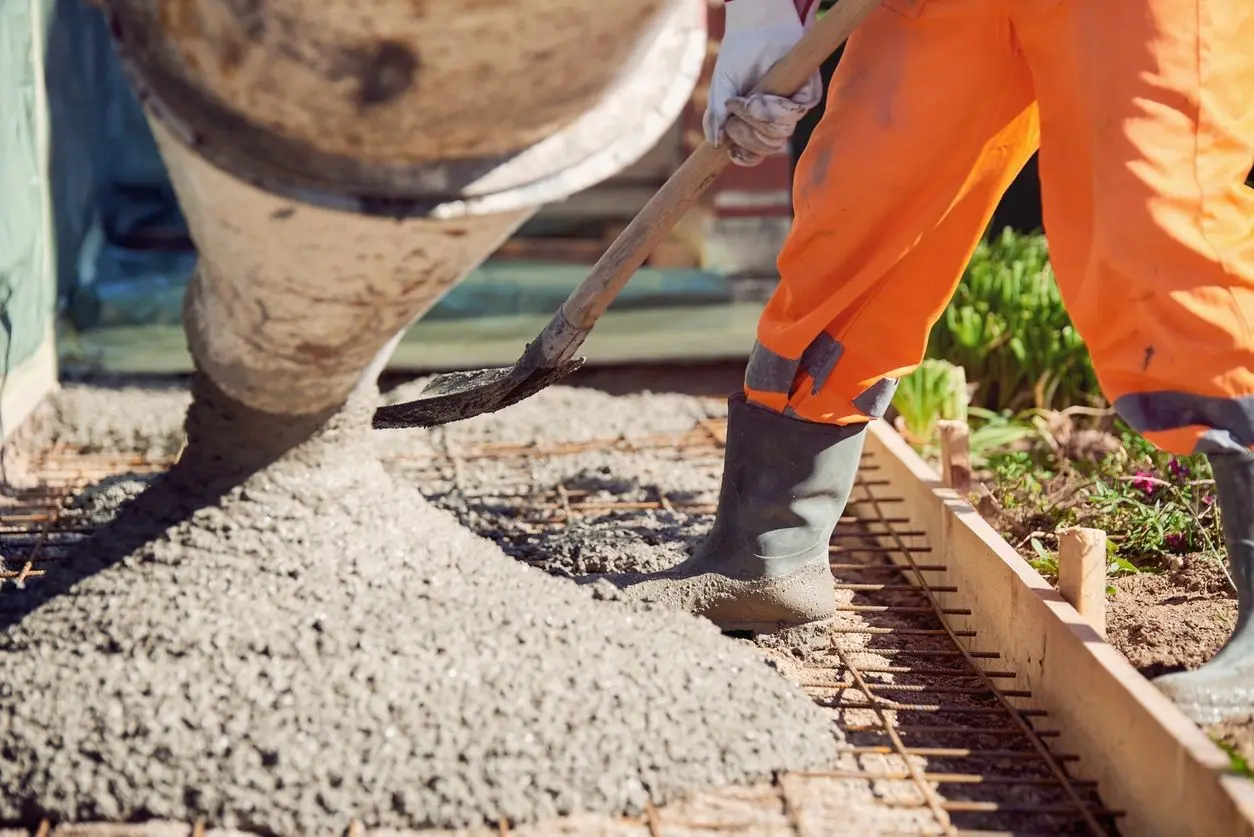
Why Portland Concrete Is a Construction Game-Changer
In the world of modern building materials, few innovations have had as lasting an impact as Portland concrete. Known for its strength, versatility, and adaptability, it forms the backbone of countless infrastructure projects—from city sidewalks in Portland, Maine, to high-traffic industrial floors in Oregon. What sets Portland concrete apart isn’t just its durability, but how it responds to environmental stresses like freeze-thaw cycles, heavy loads, and shifting soil conditions common across diverse climates.
This engineered material gains strength over time, resists weathering, and can be custom-formulated for specific applications, whether it’s a high-rise foundation or a decorative patio. Contractors rely on its predictable curing behavior and ease of placement, especially when precision is key.
In this guide, you’ll discover:
- The science behind Portland concrete’s performance
- How it outperforms alternative mixes in load-bearing scenarios
- Best practices for using it in both residential and commercial builds
- Regional considerations for placement in areas with extreme weather Understanding its role helps property owners and builders alike make smarter decisions—ensuring safer, longer-lasting results with reduced maintenance over time.
The Foundation of Modern Concrete: Understanding Portland Cement
Portland cement isn’t just another construction material—it’s the chemical backbone of nearly all modern concrete used in driveways, sidewalks, foundations, and commercial slabs across the Pacific Northwest. Developed in the 19th century, this finely ground powder creates a strong, durable binder when mixed with water, aggregates, and other additives. Its name comes from its resemblance to Portland stone, a type of limestone from England, but today it’s the standard for concrete production in Portland and beyond.
At its core, Portland cement is made by heating limestone and clay in a kiln to form clinker, which is then ground into a fine powder. When this powder hydrates, it triggers a chemical reaction that hardens the mixture and gives concrete its compressive strength. This process allows contractors to create consistent, reliable pours whether laying a residential patio or a warehouse floor.
In climates with frequent rain and freeze-thaw cycles, the quality and proportioning of Portland cement in a mix directly impact longevity. Too little cement can result in weak, dusty surfaces, while too much can increase cracking from shrinkage. Understanding proper mix design—including water-to-cement ratios and supplementary materials like fly ash—helps avoid common issues like spalling and scaling over time.
For lasting results, always ensure your mix is designed for the specific application and local environmental conditions.
5 Key Benefits of Portland Concrete for Durable, High-Performance Projects
Portland concrete remains a top choice for both residential driveways and large-scale commercial foundations—and for good reason. Known for its strength, versatility, and long-term value, this widely used construction material offers measurable advantages when properly mixed and installed. Whether you're building a sidewalk in a Portland suburb or pouring an industrial floor in a warehouse, understanding these core benefits helps ensure smarter, more resilient construction decisions.
1. Exceptional Compressive Strength
Portland concrete excels in load-bearing capacity, making it ideal for high-traffic areas like garage floors, warehouse slabs, and public walkways. Its ability to withstand heavy pressure without cracking reduces maintenance needs over time, especially when reinforced with rebar or fiber additives. Proper curing further enhances durability, ensuring the slab reaches its full strength potential within 28 days.
2. Long-Term Weather Resistance
In regions with seasonal freeze-thaw cycles—common across the Pacific Northwest—Portland concrete performs reliably when air-entrained. This process introduces microscopic air pockets that allow water to expand during freezing without damaging the slab. When paired with proper jointing and sealing, it resists surface scaling and internal damage caused by moisture infiltration.
3. Design Flexibility
From stained and stamped finishes to exposed aggregate textures, Portland concrete can be customized to match a range of aesthetic preferences. Contractors can shape it into curved driveways, decorative patios, or seamless interior floors, offering both functional performance and visual appeal for modern home and business designs.
4. Low Maintenance & Cost Efficiency
Once cured and sealed, Portland concrete requires minimal upkeep compared to asphalt or wood. It resists wear from foot and vehicle traffic, doesn’t rot or warp, and only needs periodic resealing to guard against stains and moisture. This longevity translates to lower lifecycle costs for homeowners and commercial property managers alike.
5. Sustainable Construction Choice
Portland concrete contributes to energy efficiency by providing thermal mass that helps regulate indoor temperatures. Additionally, it can incorporate supplementary cementitious materials like fly ash or slag, reducing the carbon footprint of new pours. Its long service life and recyclability at end-of-life make it a smart option for eco-conscious builds.
Master the Mixing, Pouring, and Curing of Portland Concrete
Achieving durable, long-lasting concrete results starts with precise execution during mixing, pouring, and curing—three critical phases that determine structural strength and surface quality. Whether used for driveways in Portland’s rainy climate or commercial slabs exposed to freeze-thaw cycles, proper handling ensures performance and minimizes cracking.
- Mix Thoroughly and Proportion Correctly
Use a cement-to-aggregate ratio of 1:2:3 (Portland cement, sand, coarse aggregate) for standard applications. Add water gradually—too much weakens the mix, while too little reduces workability. Use a rotating drum mixer for uniform consistency, especially for larger volumes. - Pour at the Right Temperature and Pace
Ideal pouring temperatures range between 50°F and 90°F. In cooler Pacific Northwest conditions, avoid early morning or late evening pours when moisture levels are high. Pour continuously to prevent cold joints, and use chutes or buggies to minimize segregation. - Vibrate to Eliminate Air Pockets
Use an immersion vibrator during pouring to release trapped air and ensure even consolidation around rebar and formwork. This increases density and reduces the risk of honeycombing or weak zones. - Finish Smoothly and Time It Right
Begin floating after initial bleed water appears, then trowel once water sheen disappears. Avoid overworking, especially in damp conditions, which can weaken the surface. - Cure Slowly and Consistently
Maintain moisture for at least 7 days using wet burlap, curing compounds, or plastic sheeting. In Portland’s variable spring weather, monitor humidity and protect slabs from rapid drying that leads to shrinkage cracks. Proper curing increases compressive strength by up to 50% over time.
Where Portland Concrete Shines: Driveways, Foundations, and Sidewalks
Portland concrete is a go-to material for critical structural and surface-level applications, especially in regions where durability and weather resistance are paramount. Its high compressive strength and adaptability make it ideal for foundational projects and exterior hardscapes commonly found across residential and commercial properties.
For driveways, Portland concrete offers a long-lasting, low-maintenance surfacing solution. Properly installed with control joints and a stable subbase, it withstands heavy vehicle loads and repeated freeze-thaw cycles—common concerns in northern climates. Homeowners benefit from clean, customizable finishes, whether opting for stamped patterns or simple broom finishes, all while avoiding the potholes and rutting associated with asphalt.
In foundations, its role is even more crucial. Portland concrete’s ability to be reinforced with rebar or wire mesh ensures load-bearing capacity for entire structures. When poured with attention to moisture barriers, curing time, and joint placement, it resists settling and cracking—key factors in maintaining a building’s integrity over decades.
Sidewalks also take advantage of Portland concrete’s durability. Installed with proper slope for drainage and spaced control joints, these walkways remain safe and crack-resistant. In urban and suburban settings alike, they provide accessible, slip-resistant pathways that require minimal upkeep when sealed appropriately.
To get the most out of these applications:
- Always ensure proper site preparation and compacted base material
- Use jointing strategies to manage shrinkage and expansion
- Schedule pours during favorable weather to support consistent curing
- Apply sealants after the curing period to protect against moisture and deicing chemicals
Common Questions About Concrete Durability, Setting, and Weather in Portland
How long does concrete take to set and fully cure in Portland’s climate?
In Portland’s often damp and cool environment, concrete typically reaches initial set within 6 to 12 hours. However, full strength development—achieving 99% of its compressive strength—can take up to 28 days. Cooler temperatures slow hydration, so contractors often use curing blankets or accelerators during fall and winter pours to maintain proper set times.
Is concrete in Portland prone to cracking due to weather changes?
Yes. Portland’s frequent freeze-thaw cycles during winter increase the risk of cracking if proper mix design and jointing practices aren’t followed. Using air-entrained concrete helps create microscopic air pockets that allow water to expand during freezing without damaging the slab structure.
How does moisture affect concrete installation in the Pacific Northwest?
Excess moisture from rain can delay setting and weaken surface strength if not managed. It’s critical to monitor weather forecasts and protect fresh pours with tarps or plastic sheeting. Additionally, proper subgrade drainage must be established before placement to avoid settling or hydrostatic pressure.
What makes concrete in this region more durable?
Locally sourced aggregates and Portland cement blends designed for wet climates contribute to long-lasting performance. Reinforcement with fiber mesh or rebar, combined with proper finishing and sealing, improves resistance to cracking, abrasion, and deicing chemicals used on driveways and sidewalks.
Can you pour concrete year-round in Portland?
While possible, winter pours require extra precautions—such as heated enclosures, fast-setting mixes, and protection from rain. Late spring through early fall generally offers optimal conditions for consistent setting and finishing.
How do I protect new concrete during Portland’s rainy season?
Cover freshly poured slabs with plastic sheeting to shield from rain, especially during the first 24–48 hours. Avoid allowing standing water on the surface, as it can weaken the top layer and lead to dusting or scaling over time.
Why Portland Concrete Stands the Test of Time
Portland concrete remains the cornerstone of durable, reliable construction for a simple reason: it consistently delivers unmatched strength, versatility, and predictability across countless project types. From residential driveways in suburban neighborhoods to large-scale industrial flooring, its ability to withstand heavy loads, extreme weather, and long-term wear makes it the go-to choice for contractors and property owners alike. What sets it apart is not just its compressive strength, but how well it responds to proper placement techniques—especially when combined with strategic jointing, appropriate curing, and climate-conscious design.
Its performance shines brightest in regions with challenging conditions—like areas prone to freeze-thaw cycles or high moisture exposure—where material integrity is non-negotiable. When mixed to specification and poured with precision, Portland concrete minimizes cracking, resists erosion, and supports structural stability over decades, not years. Plus, its compatibility with finishes, reinforcements, and sealers allows for both functional and aesthetic customization.
To get the most out of your next concrete project:
- Follow best practices for joint placement and curing times
- Account for local soil and weather conditions in your mix design
- Work with experienced professionals who understand regional challenges Investing in quality materials and methods today prevents costly repairs tomorrow. For lasting, safe, and attractive results, choosing proven materials like Portland concrete is a decision you won’t regret.