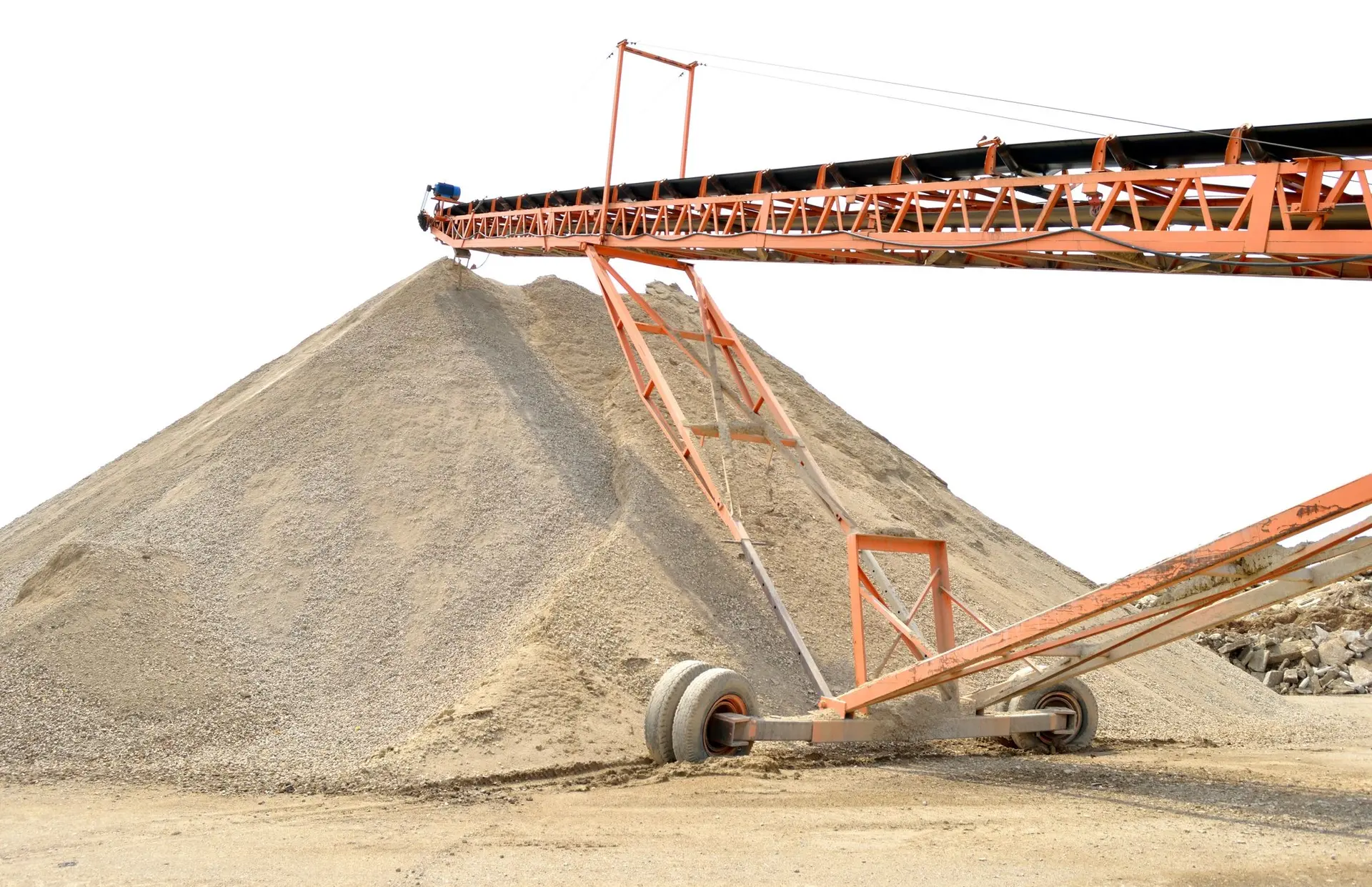
The Future of Construction Starts with Smarter Material Choices
Across Chicagoland, from Naperville backyards to Aurora commercial lots, contractors and property owners alike are rethinking how construction materials are sourced, used, and managed after their initial lifecycle. At the center of this shift is recycled gravel—a cost-effective, environmentally responsible solution gaining traction in modern concrete installations, drainage systems, and site preparation work. No longer seen as a secondary option, recycled gravel is now recognized for its ability to reduce project costs while minimizing ecological impact.
Gravel recycling involves repurposing concrete and masonry debris from demolished slabs, driveways, and sidewalks into clean, graded aggregate that meets industry standards for structural fill and sub-base applications. This process not only diverts tons of waste from landfills annually but also reduces the need for virgin stone quarrying—a leading contributor to landscape disruption and transportation-related emissions.
In northern Illinois, where freeze-thaw cycles stress foundation materials, using properly processed recycled gravel ensures reliable performance in drainage layers, road bases, and utility bedding. Contractors benefit from lower material costs and streamlined site logistics, while property owners gain peace of mind knowing their project supports sustainable construction practices without sacrificing durability or code compliance.
This guide explores how recycled gravel is transforming construction and landscaping—delivering strength, sustainability, and smart resource management for today’s infrastructure needs.
From Waste to Worth: The Step-by-Step Process of Recycling Gravel
Recycling gravel is a sustainable solution that reduces landfill waste and lowers material costs for construction projects across Chicagoland and beyond. By reclaiming existing gravel from demolition sites, roadwork, or outdated hardscapes, contractors and property owners can support eco-friendly builds without sacrificing performance. Here’s how to effectively recycle gravel in a way that ensures quality and usability.
- Collect Gravel from Demolition or Excavation Sites
Begin by gathering used gravel from driveways, foundations, or pavement removal projects. Use heavy equipment like skid steers or excavators to load material into trucks or bins. Ensure debris such as wood, plastic, or metal is removed during collection to streamline sorting. - Transport to a Processing Facility or Mobile Screening Unit
Haul the collected material to a recycling plant or use on-site mobile screening equipment—ideal for large-scale jobs in Aurora or Naperville. This minimizes transport emissions and speeds up turnaround. - Sort Gravel Using Scalping Screens or Trommel Drums
Run the gravel through vibrating screens to separate oversized rocks, soil, and fine particles. Multiple deck screens can sort material by size, ensuring only clean, properly graded gravel proceeds to the next stage. - Wash and Clean Gravel to Remove Contaminants
Pass the sorted gravel through a washer to eliminate dust, clay, and organic residue. Clean gravel bonds better with binders and performs more reliably in structural applications. - Inspect and Store Recycled Gravel for Reuse
Check final product quality for consistency and contamination. Store in designated dry areas to prevent recontamination before using in new driveways, drainage systems, or as base material under concrete slabs. Tip: Always test recycled gravel for strength and gradation before critical structural use.
7 Proven Benefits of Using Recycled Gravel in Modern Construction Projects
Recycled gravel is quickly becoming a go-to material for forward-thinking contractors and property developers across northern Illinois and beyond. Sourced from crushed concrete, asphalt, and other inert demolition debris, this sustainable alternative delivers impressive performance while supporting eco-conscious building practices.
- Significant Cost Savings on Material and Disposal
Using recycled gravel reduces the need to purchase virgin aggregate and lowers landfill disposal fees. For large-scale projects like driveways, patios, or site grading in Naperville or Aurora, these savings add up quickly—without sacrificing structural integrity. - Reduces Environmental Impact and Carbon Footprint
By repurposing construction waste, recycled gravel helps divert tons of material from landfills each year. It also cuts down on quarrying, transportation emissions, and raw resource extraction, making it a smarter choice for green building initiatives. - Performs Equally to Virgin Gravel in Most Applications
When properly processed, recycled gravel meets industry standards for use in subbases, drainage layers, and roadway underlayment. Its angular shape provides excellent interlock and compaction, offering reliable support for slabs, pavers, and paving stones. - Supports LEED Credits and Sustainable Building Certification
Projects aiming for sustainability benchmarks can leverage recycled content to earn points under green building rating systems. This is especially valuable for commercial builds and public infrastructure in Chicagoland. - Improves Drainage and Erosion Control
Recycled aggregate allows for efficient water infiltration, reducing runoff and pooling—critical in areas prone to freeze-thaw cycles and heavy spring rains across northern Illinois. - Enhances Site Preparation Speed and Efficiency
On-site recycling of concrete debris can streamline jobsite logistics. Contractors can crush removed slabs and immediately reuse the gravel for backfill or base layers, minimizing truck traffic and delays. - Boosts Community and Client Confidence in Eco-Friendly Practices
Using recycled materials demonstrates a commitment to sustainability that resonates with environmentally aware homeowners and municipalities alike, strengthening long-term client relationships.
Reinventing Construction Materials: Practical Uses for Recycled Gravel
Recycled gravel is transforming the way contractors and homeowners approach site preparation and hardscaping, offering an eco-conscious alternative without sacrificing performance. Sourced from crushed concrete, asphalt, or masonry debris, this material delivers reliable functionality across a range of construction and landscaping applications—especially in regions like northern Illinois, where durability and freeze-thaw resistance are essential.
For driveways, recycled gravel provides a stable, cost-effective base layer that minimizes settling and improves load distribution. When compacted properly, it supports heavy vehicles while reducing the need for virgin stone extraction. In landscaping, it serves as an attractive, low-maintenance ground cover for garden beds, walkways, and decorative rock features. Its varied texture and color add visual interest while suppressing weeds and reducing erosion.
In drainage systems, recycled gravel excels due to its porosity and angular particle shape, which enhance water flow and prevent soil clogging. It’s commonly used in French drains, septic leach fields, and stormwater management installations, especially in areas with clay-heavy soils common across Chicagoland.
For foundation work, recycled gravel offers superior compaction and moisture management. Used as a footing base or backfill material, it promotes proper drainage away from foundation walls, reducing hydrostatic pressure and the risk of cracking. When installed with proper geotextile fabric, it maintains separation from soil layers and ensures long-term stability.
To maximize performance:
- Ensure proper compaction in lifts no thicker than 6 inches
- Screen material to remove fines and debris before use
- Pair with drainage pipe and filter fabric in subsurface systems
- Use in non-structural applications unless locally approved for structural use By integrating recycled gravel into everyday projects, builders contribute to sustainable construction practices while maintaining high standards for safety and longevity.
Busting Myths: How Recycled Gravel Stacks Up Against Virgin Material
Many contractors and property owners still hesitate to use recycled gravel, fearing it’s weaker, less durable, or unsuitable for structural applications. However, modern processing techniques have closed the performance gap between recycled and virgin gravel—especially in northern Illinois, where sustainable construction is gaining momentum in Naperville, Aurora, and beyond.
Recycled gravel, typically sourced from crushed concrete or asphalt removed during demolition, undergoes rigorous screening and size classification to meet industry standards. When properly processed, it matches virgin gravel in key performance areas:
- Load-bearing capacity: Engineered to support heavy traffic and structural loads, making it suitable for driveways, road bases, and foundation support.
- Drainage performance: Offers comparable permeability to virgin stone, effectively managing stormwater in residential and commercial applications.
- Compaction rates: Achieves similar density when compacted, ensuring stability under slabs, pavers, and asphalt.
- Durability: Resistant to degradation over time, particularly when used in subsurface applications. Unlike outdated assumptions, today’s recycled gravel meets ASTM guidelines for use in structural fills and base courses. In fact, many DOT-approved projects now include recycled aggregates. While virgin gravel may still be preferred for visible top layers, recycled options perform equally well beneath the surface—offering cost savings and environmental benefits without sacrificing reliability. Always verify material specs based on project type and local code requirements in Chicagoland areas.
Frequently Asked Questions About Recycled Gravel in Construction
Where can I source recycled gravel locally?
Recycled gravel is increasingly available through regional materials suppliers, especially in metro areas like Chicago, Naperville, and Aurora. Many concrete recycling facilities process old slabs, sidewalks, and demolition debris into reusable aggregate. Check with your local landscape supply yards or recycling centers that specialize in C&D (construction and demolition) waste. Some suppliers offer delivery directly to job sites across northern Illinois, making logistics simple for both small and large-scale projects.
Is recycled gravel more cost-effective than virgin material?
In most cases, yes. Recycled gravel typically costs 15–30% less than newly mined gravel, depending on volume and location. You’ll also save on disposal fees when replacing old concrete or pavement—since those materials can often be crushed and reused on-site. While initial pricing varies by region, the long-term savings add up, especially for driveways, base layers, or utility bedding.
How do I ensure recycled gravel meets project specifications?
Always request a material data sheet from the supplier detailing gradation, cleanliness, and absence of contaminants. Recycled gravel should be crushed to meet standard size requirements—such as #3 or #57 stone—for proper compaction and drainage. Look for uniformly processed material free of wood, plastic, or excessive fines.
Can recycled gravel support heavy loads?
Yes—when properly compacted and installed, recycled gravel performs comparably to virgin aggregate in load-bearing applications like driveways, road bases, and under concrete slabs.
What are the environmental benefits?
Using recycled gravel reduces landfill waste and lowers the carbon footprint associated with quarrying and transporting raw materials. It’s a practical step toward achieving sustainable compliance in modern construction.
Build Smarter: The Lasting Impact of Choosing Recycled Gravel
Recycled gravel isn’t just an alternative—it’s a responsible evolution in construction that aligns durability with sustainability. By reusing crushed concrete and reclaimed aggregates, builders across Chicagoland and beyond are reducing landfill dependency, lowering transportation emissions, and conserving natural resources—all without compromising structural integrity. In applications ranging from residential driveways in Naperville to commercial site work in Aurora, recycled gravel performs on par with virgin materials while offering significant environmental and cost advantages.
Integrating recycled gravel starts with mindful sourcing—partnering with suppliers who process demolition debris into uniformly graded, clean aggregates suitable for subbases, drainage layers, and paving projects. Always confirm material specifications meet project requirements, particularly for load-bearing capacity and compaction rates. Use locally available recycled sources to minimize truck miles and support regional sustainability goals.
Beyond performance, these responsible choices reflect a growing industry shift toward circular construction practices. When planning your next hardscape or foundation project, prioritize recycled aggregates as a standard practice, not an exception. Explore how your contractor handles material sourcing, and ask about recycled content options for every phase of work.
Small decisions create large impacts. By choosing recycled gravel, you're not only building stable, long-lasting structures—you're helping shape a greener, more resilient built environment for northern Illinois and future generations.