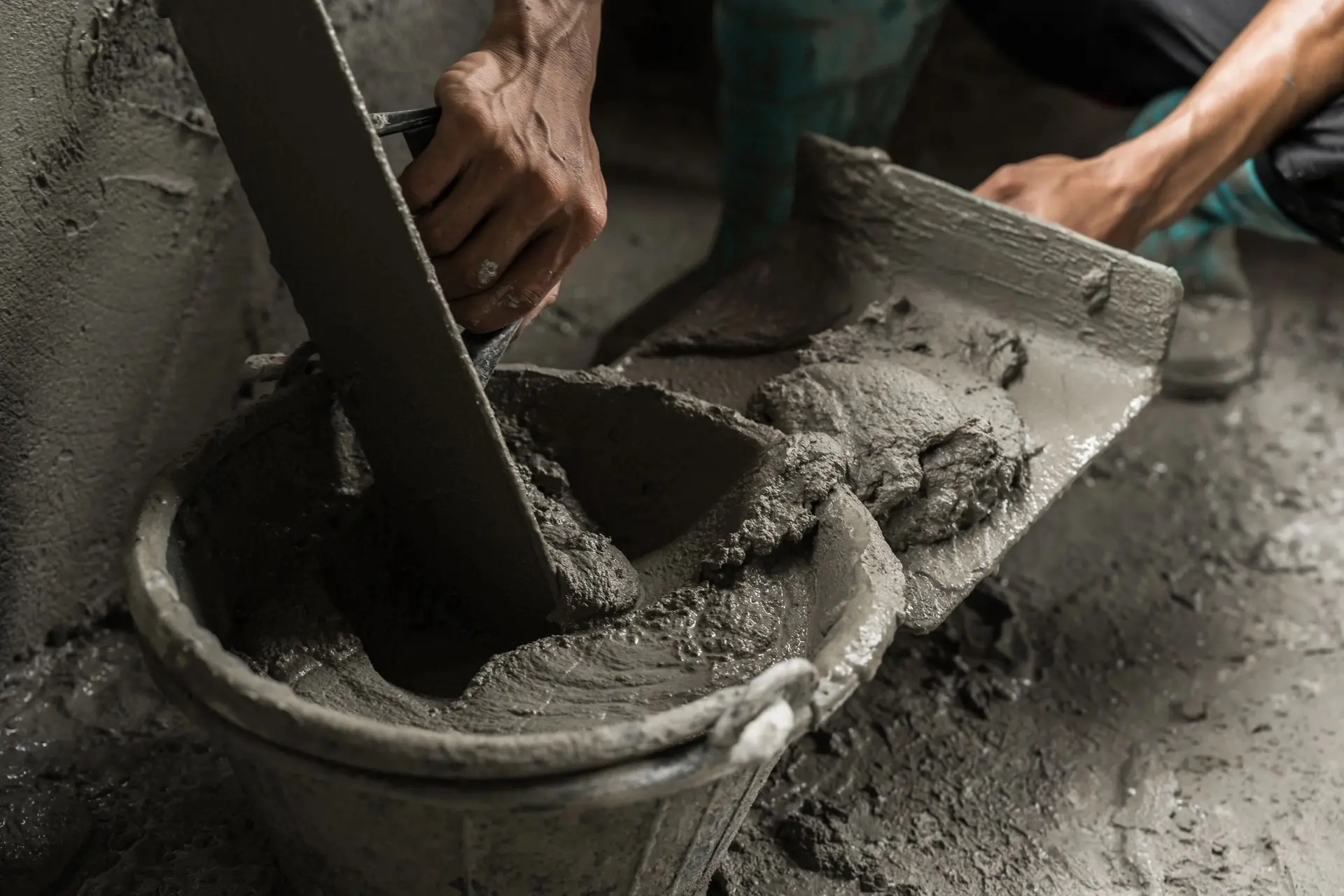
More Than Just Cement: Unlocking the Craft Behind Every Pour
Concrete isn’t just a material—it’s a medium shaped by skill, science, and generations of evolving technique. From the first mix design to the final trowel stroke, modern concrete handcraftsmanship blends engineering precision with artistic expression, turning functional builds into lasting statements. In regions like Chicagoland, where extreme weather demands durability, the difference between an average slab and a masterpiece lies in the details: proper subgrade preparation, strategic placement of expansion joints, and expert finishing methods such as brushed concrete or custom stamping.
Today’s concrete work goes beyond basic pouring. It involves understanding load distribution, moisture control, and long-term movement management to prevent cracking and settlement. Whether it's a residential driveway in Naperville, a decorative patio in Aurora, or a commercial foundation downtown, the success of any project starts with knowing how and why each phase matters.
In this guide, you’ll learn:
- The critical role of timing and finishing techniques in surface longevity
- How concrete expansion strips mitigate stress from temperature shifts
- Why skilled placement improves structural integrity and aesthetics
- Best practices for concrete repair before small issues become costly failures Discover how craftsmanship transforms raw aggregate into resilient, beautiful results—no matter the scale of your project.
Mastering the Craft: Essential Tools & Materials for Exceptional Concrete Work
Precision in concrete handcraftsmanship begins long before the first trowel hits the slab—it starts with selecting the right tools and materials to ensure strength, durability, and flawless finishes. Whether crafting decorative patios in Naperville or installing structural foundations in Aurora, understanding the core components of the trade empowers better results and smarter planning.
High-quality formwork, typically made from pressure-treated lumber or engineered plywood, creates clean, stable edges and ensures accurate slab dimensions. Steel reinforcement, including rebar and welded wire mesh, enhances tensile strength and helps prevent cracking—especially critical in northern Illinois, where freeze-thaw cycles stress concrete over time.
The finishing process relies on a well-curated toolkit: magnesium or aluminum straightedges screed freshly poured concrete to grade, while bull floats flatten and consolidate the surface. For textured finishes, darbying tools refine the surface further, and edgers create smooth, rounded edges along slabs.
Finishing trowels—both hand and power—deliver the final look, whether a tight, polished surface for interior floors or a light broom finish for slip resistance on driveways. Cement coloring agents, release powders, and sealants add aesthetic depth and protect against weathering and staining.
Equally important are expansion and control joint materials, such as pre-formed joint strips or saw-cut guides, which manage cracking caused by shrinkage and temperature shifts. Using the correct bond and curing compounds ensures long-term integrity, especially in high-moisture environments common in Chicagoland basements and foundation walls.
Investing in durable, well-maintained tools and high-grade materials isn’t just a best practice—it’s the foundation of craftsmanship that lasts for generations.
Laying the Foundation: A Step-by-Step Guide to Building Your Custom Concrete Patio by Hand
Creating a custom concrete patio by hand offers lasting beauty and structural integrity when done correctly—especially in northern Illinois, where weather conditions demand precision. With the right approach, homeowners and contractors alike can achieve professional-quality results from site prep to final finish.
- Mark and Excavate the Area
Use stakes and string to outline your patio footprint. Excavate 6–8 inches deep, removing grass, roots, and debris. This ensures a stable base and proper drainage, critical in areas prone to freeze-thaw cycles. - Install Sub-Base with Recycled Gravel
Lay down a 4–6 inch layer of recycled gravel for improved compaction and drainage. Compact thoroughly using a plate tamper—this prevents settling and supports long-term durability. - Build Forms with Lumber and Stakes
Use 2x6 or 2x8 boards to create sturdy forms around the perimeter. Secure them with wood stakes every 2 feet, ensuring level edges with a laser or line level. - Add Reinforcement and Expansion Joints
Place welded wire mesh or rebar within the form to reduce cracking. Insert expansion strips (typically ½–1 inch thick) along house connections and every 10 feet to control joint movement. - Pour, Screed, and Float the Concrete
Pour ready-mix concrete in sections, screeding across the top of the forms for a level surface. Follow with bull floating to smooth and begin finishing. - Finish with Texture and Cure Properly
Apply a brushed or broom finish for slip resistance. Cure the slab with a liquid membrane or damp burlap for at least 7 days to prevent cracking in Chicagoland’s variable climate. Pro tip: Schedule work during dry weather with temperatures above 50°F to ensure proper curing.
5 Decorative Concrete Finishes That Transform Ordinary Surfaces into Works of Art
Elevate your outdoor and interior spaces with decorative concrete finishes that combine durability with stunning visual appeal. From driveways in Naperville to patios in Aurora, these finishes offer homeowners and builders a customizable, long-lasting solution that stands up to northern Illinois weather while enhancing curb appeal.
- Stamped Concrete – Natural Stone Look Without the Cost
Mimic the appearance of flagstone, brick, or slate with stamped concrete, a versatile finish pressed into freshly poured slabs using textured mats. Available in dozens of patterns and colors, this finish is ideal for walkways, pool decks, and entryways. Proper curing and sealing help maintain its color and resistance to freeze-thaw cycles. - Acid-Stained Concrete – Rich, Mottled Color Variation
Achieve a marbled, translucent effect by applying acid-based stains that chemically react with the concrete’s lime content. This method creates unique, permanent coloration perfect for basements, patios, and interior floors. Earth tones like amber, brown, and terracotta are popular across Chicagoland homes seeking a handcrafted look. - Water-Based Stains – Eco-Friendly Color with Consistent Results
For more uniform color without the fumes, water-based acrylic stains offer a safer, quicker alternative. These penetrate the surface to add rich, opaque hues in shades ranging from slate gray to deep charcoals—ideal for modern exterior designs and garage floors. - Brushed Finish – Subtle Texture with Slip Resistance
Create a lightly textured surface by dragging a stiff broom across set but still-pliable concrete. This finish improves traction in wet or icy conditions, making it a practical choice for sidewalks, steps, and driveway aprons throughout northern Illinois. - Exposed Aggregate – Natural Stone Aesthetic with High Durability
Reveal the embedded stones within the concrete mix by washing away the top layer of cement paste. The result is a decorative, skid-resistant surface perfect for driveways and pool surrounds, combining beauty with functional performance in freeze-prone climates.
Lock in Longevity: The Essential Role of Curing, Sealing, and Maintenance in Concrete Craftsmanship
Handcrafted concrete installations, from decorative patios in Naperville to stamped walkways in Aurora, demand more than precise formwork and expert finishing—they require disciplined post-pour care to achieve their full potential. Proper curing, sealing, and maintenance are non-negotiable steps that directly influence strength development, surface durability, and aesthetic longevity. Skipping or shortening these stages can lead to cracking, surface dusting, and premature wear—especially in northern Illinois, where freeze-thaw cycles intensify stress on unsealed or improperly cured slabs.
Curing begins immediately after placement and involves maintaining consistent moisture and temperature for the first 3–7 days. This allows cement hydration to proceed fully, achieving maximum compressive strength. Methods include wet burlap coverage, curing blankets, or liquid membrane-forming compounds that trap moisture.
Once cured, apply a high-quality sealer—either penetrating (silane/siloxane) for protection below the surface or film-forming (acrylic or epoxy) for enhanced color and sheen. Sealers guard against moisture intrusion, deicing salts, and UV degradation.
Maintenance extends lifespan significantly. Clean surfaces annually with pH-neutral cleaners, avoid harsh deicers, and reseal every 2–3 years. Inspect expansion joints and control joints regularly to prevent cracking due to thermal movement. By respecting these critical phases, your concrete remains both beautiful and resilient for decades.
Common Questions About Concrete Craftsmanship, Durability, and Maintenance
What makes concrete a durable choice for outdoor installations?
Concrete is prized for its strength, resilience, and longevity when properly mixed, placed, and cured. In regions like Chicagoland, where freeze-thaw cycles stress hardscapes, air-entrained concrete with proper finishing techniques resists spalling and cracking. Reinforcement with fiber or rebar, along with control joints, helps manage internal stresses, ensuring long-term performance in driveways, patios, and sidewalks.
Can concrete be customized in color, texture, and design?
Absolutely. Decorative options like stamped concrete, stained finishes, and exposed aggregate allow for full aesthetic customization. Integral color can be mixed directly into the batch, while surface-applied dyes or stains offer rich, varied hues. Textures range from smooth trowel finishes to broom finishes and polished looks—each enhancing slip resistance and visual appeal.
How do expansion joints improve concrete longevity?
Expansion joints, also known as control or movement joints, are critical in managing cracking due to temperature shifts and settling. Properly spaced and installed, they allow slabs to expand and contract without fracturing. For driveways and patios, joint spacing typically follows a 10 ft x 10 ft rule or is placed at changes in slab geometry.
What’s the best way to maintain concrete surfaces?
Routine cleaning with mild detergent and water preserves appearance. Avoid deicing salts in winter; instead, use sand for traction. Reapply sealers every 2–3 years to protect against moisture, staining, and surface wear—especially for decorative or stamped concrete.
How long should I wait before walking or driving on new concrete?
Wait at least 24–48 hours before foot traffic and 7 days before placing heavy loads or vehicles. Full strength is achieved by day 28, but proper curing in the first week is crucial for durability.
Is brushed concrete a good option for walkways and patios?
Yes. Brushed concrete offers an affordable, slip-resistant finish ideal for outdoor use. The broom texture improves traction in wet conditions and conceals minor imperfections, making it a practical and popular choice across northern Illinois.
The Enduring Legacy of Handcrafted Concrete Excellence
Expertly handcrafted concrete work stands as a testament to durability, precision, and timeless design. Unlike mass-produced alternatives, artisanal concrete installations—whether driveways, patios, or retaining walls—are built to endure the test of time, especially in regions like northern Illinois where freeze-thaw cycles and heavy usage challenge structural integrity. Each hand-finished surface, from brushed concrete to custom concrete finishes, is shaped with intention, ensuring both aesthetic appeal and functional resilience.
When you invest in handcrafted concrete, you’re not just installing a hardscape—you’re adding long-term value to your property. Properly executed projects minimize future repair needs by incorporating critical elements like expansion joints and well-prepared subbases, reducing cracking and shifting over time. These details matter most in high-traffic areas and commercial properties where safety, compliance, and curb appeal intersect.
To ensure lasting results:
- Always use properly cured concrete with adequate reinforcement
- Install control and concrete expansion strips at recommended intervals
- Choose textures and finishes suited to local climate and use patterns
- Work with professionals who prioritize craftsmanship over shortcuts Whether for a residential driveway in Naperville or a commercial foundation in Aurora, choosing quality workmanship pays off in reduced maintenance, enhanced performance, and lasting beauty. Make informed decisions for your next concrete project—prioritize expert installation, thoughtful design, and materials built to last. The result? A stronger, more elegant built environment that serves your needs for decades.